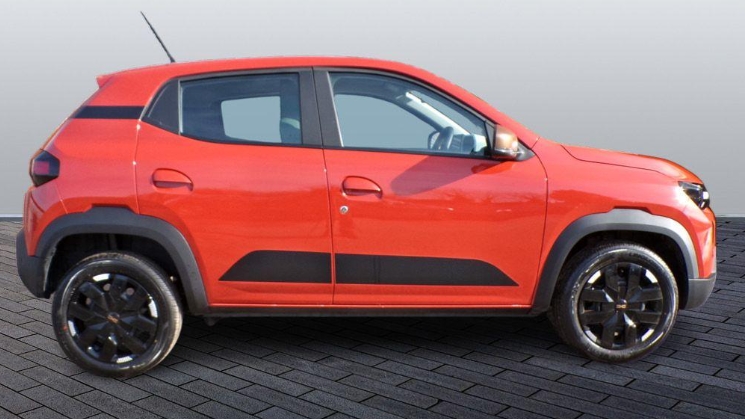
History of The Suzuki Cappuccino: A Cult Classic in the Kei Car World
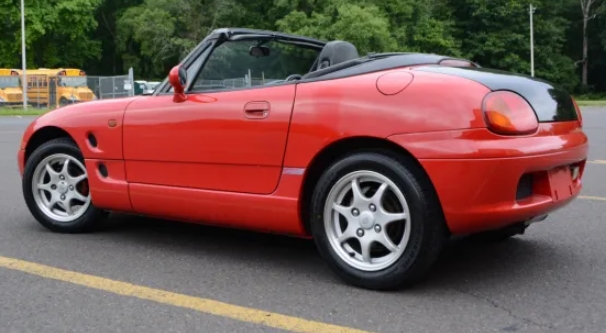
In the pantheon of automotive history, few vehicles have captured the hearts of enthusiasts quite like the Suzuki Cappuccino. A diminutive yet spirited kei car, the Cappuccino is a symbol of Japan’s innovative approach to small, fuel-efficient vehicles. With its boxy silhouette, rear-wheel-drive layout, and collaboration with one of the auto industry’s legends, the Cappuccino occupies a unique niche. This article delves into its origins, evolution, technical nuances, and enduring legacy, while also exploring its future potential in a changing automotive landscape.
A Brief History: The Birth of a Kei Car Icon
To understand the Cappuccino, one must first grasp the concept of kei cars. Defined by Japan’s Ministry of Land, Infrastructure, Transport and Tourism (MLIT), kei cars are small vehicles designed to be affordable and fuel-efficient. To qualify, they must adhere to strict regulations: engines must be 660cc or smaller, with a maximum length of 3.4 meters (11.2 feet), width of 1.48 meters (4.85 feet), and height of 2.0 meters (6.5 feet). These constraints make kei cars ideal for urban environments, where space and cost are paramount.
Suzuki entered the kei car market in the 1970s with the Alto, a practical and durable hatchback. However, the 1990s saw a shift in consumer desires. Drivers sought not just utility but fun—a challenge that inspired the Cappuccino. Launched in Japan on May 19, 1995, the Cappuccino stood out for its playful design and rear-wheel-drive setup, a rarity in the otherwise front-wheel-drive-dominated kei car segment.
The engine development team included engineers influenced by Soichiro Honda, the founder of Honda and a key figure in kei car innovation. Though Soichiro passed away in 1991, his legacy left an indelible mark on the Cappuccino. The car’s 658cc inline-four engine, with its double overhead camshaft (DOHC) design and fuel injection, was a direct descendant of Honda’s compact, high-revving motors. This collaboration gave the Cappuccino a spirit that belied its 3.4-meter frame, making it a standout in the kei car ecosystem.
Production Years and Model Lineup
The Suzuki Cappuccino was produced from 1995 to 2000, with a few minor updates throughout its run. Despite its relatively short production span, the Cappuccino offered a surprisingly diverse array of trims, each catering to different preferences while maintaining the car’s core appeal.
1. Base Model Cappuccino
The standard Cappuccino was the most affordable and minimalistic variant. It featured a bare-bones interior and basic mechanicals, appealing to buyers who prioritized affordability and simplicity. Even so, its lightweight construction (around 1,430 pounds) and 54-horsepower engine made it surprisingly quick for its size. The base model came with a 5-speed manual transmission and rear-wheel drive, a setup that emphasized agility and responsiveness.
2. Cappuccino SS (Sport Special)
For enthusiasts seeking a more driving-focused experience, the SS variant was introduced. While it shared the same engine as the base model, the SS featured upgraded components such as a limited-slip differential, firmer suspension, and larger wheels (14 inches, compared to 13 inches on the standard model). The interior included sport seats and a more premium dashboard layout. The SS also retained the 5-speed manual transmission, making it the go-to choice for those who wanted to feel every rev of the high-pitched engine.
3. Cappuccino DHC
The Domestic Hybrid (DHC) version was designed for drivers who preferred automatic transmissions. Introduced in 1996, the DHC combined a 4-speed automatic with the standard Cappuccino’s mechanicals. While it sacrificed some raw performance (the automatic felt slower off the line than the manual), it offered greater comfort and ease of use. The DHC’s interior was slightly upgraded, with features like power windows and air conditioning—luxuries uncommon in kei cars.
4. Special Editions and Collaborations
Suzuki also produced limited-run models, including the Cappuccino “Black Edition” and “White Special”, which featured unique color schemes and badging. These editions were highly collectible, with some models even incorporating racing-inspired elements like body kits and spoilers. Additionally, the car’s design was loosely inspired by the 1930s Alvis Speed 25, a British open-tourer with a boxy, rakish profile. This connection to automotive history added to the Cappuccino’s charm.
.

.
Technical Specifications and Driving Experience
At the heart of the Cappuccino is its 658cc inline-four engine, which produces 54 horsepower and 43 lb-ft of torque. Though modest by modern standards, the engine’s eagerness to rev (capable of 7,000 RPM) and the car’s featherlight weight combined to create a thrilling driving experience. The 5-speed manual transmission is precise and engaging, while the rear-wheel-drive platform delivers a level of balance and agility rarely seen in kei cars.
The Cappuccino’s ride quality is intentionally stiff, prioritizing responsiveness over comfort. However, its nimble handling and open differential make it a joy on twisty roads. The engine’s exhaust note is high-pitched and energetic, adding to the car’s sportsy character. Despite its tiny size, the Cappuccino offered practicality with fold-down rear seats and decent cargo space—a balance of fun and function.
Fuel efficiency was also impressive, averaging 37–45 MPG, depending on driving conditions. This made the Cappuccino a practical choice for urban commutes, even as it delivered a sense of playfulness often missing from larger cars.
Cultural Impact and Market Presence
Though relatively unknown outside of Japan, the Cappuccino has developed a cult following, particularly in the United States, Europe, and Australia. Enthusiasts praise its unapologetic fun and retro design, while its scarcity and limited production numbers have made it a collector’s item. In the U.S., the Cappuccino was never officially sold, but grey-market imports and independent importers like Universal Auto Parts and K Mart (in the 1990s) brought a few hundred units to American shores.
The Cappuccino’s influence extends beyond its production run. Its rear-wheel-drive layout and compact size inspired later micro-vehicles like the Daihatsu Treze and even modern compact convertibles. Additionally, the car’s association with Soichiro Honda’s legacy has given it a mythic status among automotive historians.
Future Outlook: Could the Cappuccino Return?
With the global automotive industry shifting toward electrification, a traditional petrol-powered Cappuccino seems unlikely in the near future. However, the car’s spirit lives on in modern kei cars like the Suzuki Alto and the Daihatsu Copen, which blend practicality with sporty designs.
Some enthusiasts have proposed electric conversions for Cappuccinos, transforming the classic into a zero-emission hot hatch. Others speculate that Suzuki might create a retro-inspired electric version, combining the Cappuccino’s charm with modern sustainability. While no official plans exist, the Cappuccino’s enduring appeal suggests its story is far from over.
The Suzuki Cappuccino is more than just a kei car—it’s a testament to the joy of driving in its purest form. Whether navigating Tokyo’s crowded streets or carving through mountain roads, the Cappuccino offers a unique blend of agility, simplicity, and charm. Though it may never become a mainstream success, its cult following ensures that the Cappuccino remains a beloved icon in the world of small, spirited cars. As the automotive landscape evolves, the Cappuccino’s legacy serves as a reminder that size isn’t everything, and sometimes the smallest vehicles can deliver the biggest thrills.