The Boombox on Wheels: A Deep Dive into the Toyota bB
In the bustling automotive landscape of the early 21st century, where sleek lines and aerodynamic curves were increasingly becoming the norm, Toyota dared to be different. From this audacious spirit emerged the Toyota bB, a vehicle that defiantly embraced its boxy proportions and carved out a unique niche in the Japanese Domestic Market (JDM). More than just a car, the bB was a statement—a highly customizable, urban utility vehicle designed with an unprecedented focus on sound and personal expression. From its inception as a youthful icon to its enduring legacy, the bB remains a fascinating chapter in Toyota’s history.
A Brief History: From Concept to Cult Status
The story of the Toyota bB begins in the late 1990s, when Toyota, ever attuned to market trends, identified a burgeoning desire among younger demographics for vehicles that were both practical and highly personalizable. Traditional sedans and hatchbacks, while reliable, often lacked the emotional connection and “cool factor” that this demographic craved. The solution, Toyota envisioned, was a vehicle that prioritized interior space, versatility, and an advanced audio experience, all wrapped in an unconventional, eye-catching package.
The bB, which stands for “black Box,” hinting at its dark, mysterious, and compact dimensions, or “bad boy” as some speculate, was officially launched in Japan in February 2000. It was positioned as a vehicle for the “new generation,” a demographic that valued individuality and a mobile, connected lifestyle. Its design philosophy was famously described as “a car that’s like a boom box on wheels,” emphasizing its robust audio capabilities and distinctive, upright stance. This radical approach resonated almost immediately, and the bB quickly garnered a dedicated following, especially among urban youth and custom car enthusiasts.
First Generation Toyota bB (NCP30 series): 2000–2005
The inaugural generation of the Toyota bB, internally designated as the NCP30 series, made its debut in March 2000 and continued production until December 2005. Built on the highly versatile NBC platform (shared with the Toyota Vitz/Yaris and ist/xA), it offered a winning combination of compact dimensions, surprising interior volume, and renowned Toyota reliability.
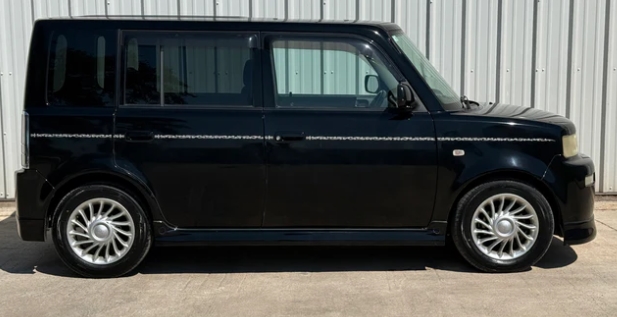
Design and Philosophy: The first-gen bB was unashamedly boxy. Its straight lines, flat surfaces, and robust appearance gave it an industrial, almost utilitarian charm that was softened by large, clear-lens headlights and distinctive taillights. The emphasis was on maximizing interior space within a small footprint, creating a versatile cabin that could easily adapt from passenger transport to cargo hauler. A key aspect of its design was the large, open interior, which served as a blank canvas for customization and a perfect acoustic environment for its advanced sound systems. The speedometer was centrally mounted, echoing a minimalist and modern aesthetic.
Engine Options: Powering the first-generation bB were two reliable and fuel-efficient Toyota inline-four engines:
- 1.3L 2NZ-FE: A 1.3-liter DOHC 16-valve engine, primarily offered in lower-trim models, providing adequate power for urban driving.
- 1.5L 1NZ-FE: A more potent 1.5-liter DOHC 16-valve engine, offering stronger performance and often paired with higher-spec trims. Both engines were mated to a smooth 4-speed automatic transmission. The bB was predominantly front-wheel drive (FWD), but an optional all-wheel drive (AWD) system was available for enhanced traction, particularly in regions with harsh winters.
Models and Trim Levels (JDM): The bB was offered with a variety of grades and special editions, each targeting slightly different preferences and offering distinct features. The core grades were S and Z, with Z typically denoting a higher specification and more amenities.
- bB S: Often the entry-level grade, equipped with the 1.3L engine, standard fabric upholstery, and essential features. It served as a practical and affordable base.
- bB Z: The more popular and well-equipped grade, usually featuring the 1.5L engine, power windows, remote central locking, and more sophisticated interior trim. This grade often served as the foundation for numerous special editions.
Beyond these core grades, Toyota continuously offered a plethora of special editions and option packages, catering to the bB’s customizability ethos:
- bB Z “X Version”: Elevated audio experience was a hallmark, often including premium speakers, subwoofers, and upgraded head units. It also frequently featured larger alloy wheels and body kits.
- bB Z “M-Version”: Focused on more aesthetic and perhaps slightly sportier touches, such as unique seat fabrics, specific interior trim colors, and potentially unique instrument panel designs.
- bB Z “AERO-G”: This package came with a factory-installed aerodynamic body kit, often including revised bumpers, side skirts, and a rear spoiler, giving the bB a more aggressive and sporty stance.
- bB Z “HID Selection”: As the name suggests, this variant introduced High-Intensity Discharge (HID) headlights, offering superior illumination, a premium feature at the time.
- bB Z “Crystal Clear Selection”: Featured clear-lens taillights and sometimes clear-lens side markers, offering a distinct aesthetic shift from the standard red lenses.
- bB Z “L Edition”: A more luxury-oriented variant, incorporating chrome accents on the exterior, upgraded interior materials, and additional convenience features.
- bB Pure Sound Edition: Specifically designed with an enhanced audio system, often boasting more speakers, better amplification, and acoustic tuning, reinforcing the “boombox” identity.
- bB G-Book Alpha Edition: Integrated Toyota’s G-Book telematics system, offering navigation, emergency assistance, and internet-based services.
- bB “W Version”: Often referred to as a “Wide Version” or “Winter Version,” these could imply slightly wider body elements or specific cold-weather packages.
The bB Open Deck (2001-2003): A truly unique variant, the bB Open Deck further pushed the boundaries of utility and customization. Essentially a two-door pickup truck based on the bB, it featured a short, open bed behind the front seats, complete with a folding “mid-gate” that allowed for longer items to extend from the cabin into the bed. Though short-lived, it highlighted Toyota’s willingness to experiment with the bB platform to meet diverse lifestyle needs.
International Equivalent: The Scion xB (First Generation): The first-generation Toyota bB gained considerable international fame, particularly in North America, where it was rebadged as the Scion xB and introduced in 2003. The xB was largely identical to the JDM bB, though it typically came with the 1.5L 1NZ-FE engine as standard and featured left-hand drive. The xB was instrumental in launching the Scion brand, Toyota’s youth-oriented division, and quickly became a cult classic due to its distinctive styling, spacious interior, and immense customization potential.
.
THIS could come in handy for your auto garage (and everywhere else!):

.
Second Generation Toyota bB (QNC20 series): 2005–2016
The second generation of the Toyota bB, designated the QNC20 series, debuted in December 2005 and remained in production for an impressive run until August 2016. This generation represented a significant evolution, built on a completely different platform and targeting a slightly refined audience while retaining the bB’s core identity.
Evolution and Philosophy: While still unmistakably a bB, the second generation adopted a more rounded, yet still distinctly boxy, aesthetic. The sharp edges were softened, and the overall design became slightly more cohesive and less overtly industrial. The core concept evolved beyond just “boombox” to encompass “Sound” and “Relaxation,” indicating a greater focus on interior comfort and sensory experience. Toyota explicitly targeted a younger, fashion-conscious demographic, including a stronger appeal to female buyers.
Platform and Engines: The QNC20 bB was no longer based on the Vitz platform. Instead, it utilized the versatile B-segment platform developed jointly by Toyota and Daihatsu, shared with the Daihatsu Boon/Toyota Passo and Daihatsu Coo/Subaru Dex. This shift brought new powertrain options:
- 1.3L K3-VE: A 1.3-liter DOHC 16-valve engine, sourced from Daihatsu, offering good fuel economy and urban performance.
- 1.5L 3SZ-VE: A 1.5-liter DOHC 16-valve engine, also from Daihatsu, providing more robust power and torque. Both engines were exclusively paired with a Continuously Variable Transmission (CVT), which offered smoother acceleration and improved fuel efficiency compared to the previous 4-speed automatic. Both FWD and AWD configurations continued to be offered.
Key Features of the Second Generation: The QNC20 series heavily emphasized its “Sound” and “Relaxation” concepts:
- Sound Illumination System: A groundbreaking feature, this fully integrated audio system boasted up to nine speakers, including subwoofers, and featured colored LED lighting that pulsed and changed with the music’s beat. This created an immersive, club-like atmosphere inside the cabin.
- Mood Lighting: Beyond the sound system, the interior featured selectable multi-color ambient lighting (up to 11 colors), allowing occupants to customize the cabin’s mood.
- Relaxation Mode Seats: The front seats were designed to recline almost flat, nearly connecting with the rear seats, creating a lounge-like space ideal for relaxing or even napping. The rear seats also offered multiple folding configurations for cargo versatility.
Models and Trim Levels (JDM): The second-gen bB continued the tradition of diverse trims and special editions:
- bB S: The entry-level grade, equipped with the 1.3L engine and basic features, serving as an accessible starting point.
- bB Z: The higher-spec grade, usually featuring the 1.5L engine, more premium interior materials, and additional comfort and convenience features. This was the base for most special editions.
Special editions and packages for the second generation included:
- bB S “Aero Package” / bB Z “Aero Package”: Similar to the first gen, these packages added sporty body kits with revised bumpers, side skirts, and spoilers, enhancing the aggressive styling.
- bB Z “Q Version”: A premium variant offering upgraded interior upholstery, unique trim accents, and often additional technological features like smart entry and push-button start.
- bB Z “X Version”: Similar in concept to the Q Version, but with potentially different aesthetic choices or a focus on specific tech upgrades.
- bB Z “Kira-Kira Version” (Twinkle Version): This popular variant, often aimed at female buyers, featured unique and often sparkling interior accents, special seat fabric, premium metallic finishes, and sometimes exclusive exterior colors. It truly embodied the “fashion accessory” aspect of the car.
- bB Z “G Version”: Often indicated a higher level of equipment and luxury, possibly including automatic climate control, more advanced infotainment, and additional safety features.
- bB “Happy Selection”: Typically a value-oriented package, offering popular features at a reduced price point.
- bB “H.I.D. Selection II”: An updated version of the HID headlight package.
International Equivalents: Daihatsu Materia / Coo (and not the Second Gen Scion xB): It is critically important to clarify that the second-generation Toyota bB was NOT sold as the second-generation Scion xB. While the first-gen bB was indeed the xB, Scion’s second-generation xB (released in 2007) was a much larger vehicle based on the Toyota Corolla platform, developed specifically for the North American market.
Instead, the second-gen bB was rebadged and sold in other international markets, primarily by Daihatsu:
- Daihatsu Materia: Sold in Europe, Australia, and other regions, the Materia was essentially a rebadged second-gen bB, offering the same unique styling and features.
- Daihatsu Coo: This was the Daihatsu variant sold in Japan alongside the bB, offering a slightly different trim structure and branding. The Subaru Dex was also a rebadged version.
Unique Selling Propositions and Legacy
The Toyota bB’s enduring appeal stems from several key factors that set it apart:
- Unapologetic Design: Its boxy, utilitarian design stood in stark contrast to prevailing automotive trends, giving it instant recognition and a distinctive personality.
- Customization Canvas: The bB was designed from the ground up to be personalized. Its simple, robust structure and spacious interior made it a favorite among tuners and customizers, spawning a massive aftermarket industry.
- Audio Focus: The “boombox on wheels” concept was revolutionary. The integrated, high-fidelity audio systems and mood lighting made the bB’s cabin a unique and immersive experience, particularly in the second generation.
- Interior Versatility: Despite its compact exterior, both generations offered surprisingly spacious and adaptable interiors, capable of carrying passengers comfortably or swallowing a significant amount of cargo thanks to clever seat folding configurations.
- JDM Icon: The bB is a true product of Japanese car culture, reflecting a period of innovative design and market segmentation. Its influence on the creation of the Scion brand underscores its impact beyond Japan.
Future Outlook and Current Status
Production of the second-generation Toyota bB officially ceased in August 2016, marking the end of the bB nameplate. There has been no direct successor named “bB” from Toyota. The niche it occupied has largely been filled by compact SUVs and crossovers, as well as other youth-oriented models like the Toyota C-HR or more conventional subcompacts, which now incorporate many of the customization and connectivity features pioneered by the bB.
Today, the Toyota bB primarily exists in the used car market, particularly within Japan, and as a popular import item for enthusiasts in other countries who appreciate its unique styling and JDM heritage. First-generation models, especially well-preserved or highly customized examples, have achieved a certain cult status and retain a strong following. The bB is appreciated for its reliability, practicality, and undeniable charm. While there are no indications of a revival for the bB nameplate, its innovative spirit and focus on personal expression undoubtedly influenced subsequent Toyota designs and market strategies, particularly within the Scion brand’s initial philosophy.
Conclusion
The Toyota bB was much more than just a compact car; it was a phenomenon. From its distinctive boxy silhouette to its pioneering emphasis on sound and customization, the bB carved a unique path in automotive history. It defied conventional designs, empowered owners to express their individuality, and created an unforgettable driving experience centered around urban utility and a mobile-party atmosphere. Though its production has ended, the legacy of the bB as a quirky, cool, and influential JDM icon continues to resonate with enthusiasts worldwide, solidifying its place as the true “boombox on wheels.”