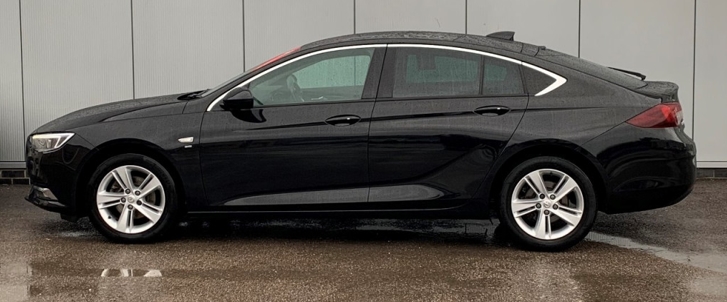
The Evolution of the Lada Kalina
The Lada Kalina stands as a notable chapter in the history of Russian automotive manufacturing, representing a modern attempt by AvtoVAZ to modernize its lineup and appeal to a broader demographic. Introduced in the early 2000s, the Kalina was designed to be a versatile, affordable, and practical vehicle suitable for a wide range of consumers. Over its production span, it evolved through various generations, models, and trim levels, reflecting changes in consumer preferences, technological advancements, and regulatory standards.
Introduction and Early Development (2004–2006)
The Lada Kalina was officially unveiled in 2004 as a replacement for the aging VAZ-2114 and VAZ-21099 models. Its development aimed to modernize the company’s offerings with a more contemporary design, improved safety features, and a broader range of body styles. The Kalina was built on the VAZ-11186 platform, a derivative of the older VAZ-1119 platform, but it incorporated several modern features to appeal both domestically and in export markets.
Initially, the Kalina was offered as a hatchback, sedan, and station wagon, with production beginning in 2004 at AvtoVAZ’s Togliatti plant. The first-generation Kalina was characterized by its practical design, modest yet functional features, and affordability, making it popular among Russian consumers seeking an entry-level vehicle.
First Generation (2004–2013)
Model Range and Trim Levels
The first-generation Lada Kalina was produced from 2004 until 2013, with multiple updates and facelifts over the years. The initial launch offered several trim levels, primarily differentiated by equipment and engine options.
- Standard (Base) Trim: Featured basic interior amenities, manual windows, and minimal safety features.
- Norma: Included upgrades like power steering, better interior materials, and improved safety features.
- Lux: The top-tier trim, offering air conditioning, power windows, upgraded audio systems, and enhanced interior finishes.
Body Styles and Variants
- Hatchback: The most popular body style, with a five-door layout.
- Sedan: Launched shortly after the hatchback, targeting customers seeking a more traditional sedan profile.
- Station Wagon: Introduced to appeal to those needing more cargo space, particularly for families and small business use.
Engine Options
The first-generation Kalina was primarily powered by small-displacement gasoline engines:
- 1.6L SOHC I4: Producing approximately 89 horsepower, paired with a 5-speed manual transmission.
- 1.6L SOHC I4 with LPG conversion: Offered for cost-conscious buyers.
- 1.4L and 1.5L variants: Available in some markets, primarily for lower-cost models.
Facelifts and Updates
Over its production run, the Kalina underwent several updates:
- 2009 Facelift: Introduced a new front grille, revised bumpers, and updated interior trim. Safety features such as front airbags became standard on higher trims.
- 2012 Refresh: Further cosmetic updates, including new wheel designs and improved interior materials, to keep the model competitive.
Second Generation and Facelift (2013–2018)
In 2013, AvtoVAZ launched the second-generation Kalina, often referred to as the “Kalina 2” or “Kalina New.” This generation represented a significant upgrade in design, technology, and safety.
Design and Platform
The second-generation Kalina adopted a more modern, aerodynamic design, with smoother lines and improved aerodynamics for better fuel efficiency. The car was built on a new platform, offering improved ride quality and safety.
Engine and Transmission Options
- 1.6L VAZ-21126 engine: Up to 98 horsepower, paired with a 5-speed manual or a 4-speed automatic transmission.
- 1.4L and 1.6L engines: Continued to be available, with some markets receiving a more modernized 1.6L engine complying with Euro-4 standards.
- LPG versions: Continued to be offered in some markets.
Trim Levels
- Standard: Basic features, manual transmission, and minimal comfort features.
- Norma: Added power steering, upgraded audio, and better interior materials.
- Lux: Included air conditioning, power windows, central locking, and upgraded audio.
- Prestige: Top trim with additional safety features such as ABS, front airbags, and alloy wheels.
Body Styles
- Hatchback: Continued to be the primary body style.
- Sedan: Remained available, with increased comfort features.
- Station Wagon: Also continued, mainly aimed at family and commercial users.
Special Editions and Variants
During this period, AvtoVAZ introduced several special editions, such as the “Kalina Sport,” which featured sportier styling, and the “Kalina Cross,” a crossover-inspired version with increased ground clearance and rugged styling cues.
Kalina Sport and Cross
The Kalina Sport, launched in the mid-2010s, featured sport-oriented styling, a more aggressive front grille, sport seats, and suspension tuning. It was aimed at younger buyers looking for a more dynamic look.
The Kalina Cross, introduced around 2015, was a crossover version with increased ride height, roof rails, and rugged styling elements, designed to appeal to buyers interested in compact crossovers.
Facelift and Final Years (2018–2018)
In 2018, AvtoVAZ announced a final facelift for the Kalina, marking the end of its production run. The updates focused primarily on cosmetic enhancements, such as new front and rear bumpers, updated headlights, and interior improvements.
.
We LOVE cars & cruising around, but sometimes day trips to explore new cities are required (with family or friends) for a spice of variety in your life!
So GO explore!
Cruises & Day/Night City Tours to: Baltimore, Boston, Chicago, Marina Del Ray, New York, Niagara, Philadelphia, San Diego, San Francisco, Toronto, Washington DC, etc.:

.
Discontinuation and Legacy
Production of the Lada Kalina officially ended in 2018, replaced gradually by newer models such as the Lada Vesta, which offered more modern design and safety features aligned with European standards.
Summary of All Models and Trim Levels
| Year Range | Model/Generation | Body Styles | Notable Trim Levels | Engine Options | Special Variants |
|---|---|---|---|---|---|
| 2004–2013 | First Generation | Hatchback, Sedan, Station Wagon | Standard, Norma, Lux | 1.4L, 1.6L, LPG variants | N/A |
| 2013–2018 | Second Generation | Hatchback, Sedan, Station Wagon | Standard, Norma, Lux, Prestige | 1.4L, 1.6L, automatic options | Kalina Sport, Kalina Cross |
Technological and Safety Evolution
Throughout its production, the Kalina saw incremental improvements in safety and technology:
- Safety: Introduction of airbags (front), ABS, and improved crashworthiness.
- Comfort and Convenience: Power steering, air conditioning, upgraded audio systems, and better interior materials.
- Emissions and Efficiency: Upgrades to meet Euro-4 standards, with some markets receiving even stricter regulations.
Market and Cultural Impact
The Lada Kalina was primarily sold in Russia and neighboring countries, where affordability and practicality were key purchasing factors. Its versatility and adaptability made it popular among young drivers, small families, and commercial operators.
Despite its simplicity compared to Western counterparts, the Kalina represented an important step for AvtoVAZ in modernizing its lineup and attempting to meet evolving safety and environmental standards. Its multiple body styles, trims, and variants allowed it to serve diverse consumer needs.
Conclusion
The evolution of the Lada Kalina reflects both the challenges and achievements of AvtoVAZ in the 21st century. From its introduction in 2004 as a modern, affordable vehicle to its final years in 2018, the Kalina underwent significant changes in design, technology, and safety, aligning with industry standards and consumer expectations. Its multiple variants, especially the sporty Kalina Sport and crossover-inspired Kalina Cross, demonstrated the brand’s efforts to diversify its offerings and appeal to different market segments.
While the Kalina has now been phased out, its legacy persists as a symbol of Russian automotive resilience and adaptability. It helped modernize the Lada lineup and set the stage for newer models that continue to shape the brand’s future.