The Evolution of the Lifan Xuanlang: A Short-Lived but Ambitious MPV
The Lifan Xuanlang represents one of the most ambitious passenger vehicles developed by Lifan Motors during its peak years as a Chinese automaker. Introduced as a modern, family-oriented multi-purpose vehicle (MPV), the Xuanlang combined flexible seating, multiple engine choices, and competitive pricing in an attempt to challenge established domestic and international rivals. Although its production lifespan was relatively brief, the Xuanlang reflects both the strengths and limitations of Lifan’s automotive strategy in the late 2010s.
Origins and Development
The Xuanlang was first unveiled at the Guangzhou Auto Show 2016, marking Lifan’s entry into the growing MPV segment in China. At the time, demand for affordable seven-seat vehicles was rising rapidly, driven by expanding families and ride-hailing services.
Lifan, founded in 1992 and entering automobile production in 2005, had already built a reputation for producing low-cost sedans and compact SUVs. Lifan Motors sought to expand its lineup with a more versatile family vehicle, resulting in the Xuanlang.
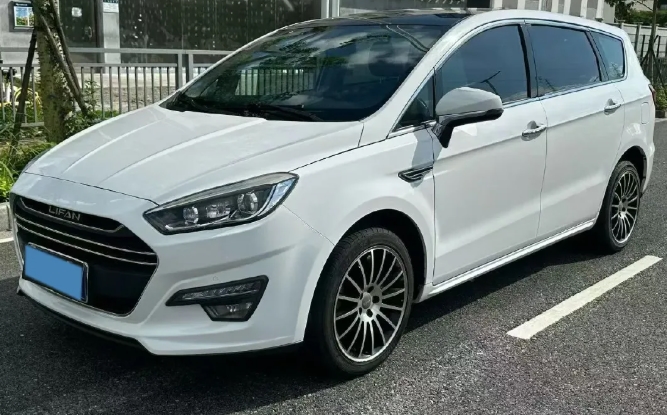
The vehicle’s styling drew widespread attention due to its resemblance to the Ford S-Max, particularly in its front fascia and profile. While controversial, this design choice reflected a broader trend among Chinese automakers at the time—adopting familiar global styling cues to appeal to buyers.
.
THIS is GOOD stuff if your car is in need:

.
Production Timeline
The Lifan Xuanlang had a clearly defined production lifecycle:
Production Years:
- 2017 – Official market launch and start of production
- 2018–2019 – Continued production with minor updates
- 2020 – End of production following Lifan’s financial difficulties
Production took place primarily in China, with additional assembly or sales in markets such as Russia and Tunisia.
Unlike many competitors, the Xuanlang did not receive a major facelift or second generation during its lifespan, instead remaining largely unchanged until its discontinuation.
Platform, Design, and Layout
The Xuanlang was designed as a seven-seat MPV, emphasizing practicality and flexibility.
Key Characteristics:
- Body style: 5-door MPV
- Seating: 5-, 6-, or 7-seat configurations
- Layout: Front-engine, front-wheel drive
The interior layout allowed multiple seating arrangements, making it suitable for families as well as light commercial or ride-sharing use.
Exterior Design:
- Large grille and swept-back headlights
- Long roofline for increased cabin space
- Sliding-style practicality (though conventional doors were used)
While not revolutionary, the design prioritized interior room and ease of access—core attributes for MPVs.
Powertrain and Performance Evolution
One of the defining aspects of the Xuanlang was its variety of gasoline engine options, giving buyers flexibility depending on budget and performance needs.
Engine Options (All Years):
- 1.5-liter inline-4 (turbocharged)
- 1.8-liter inline-4 (naturally aspirated)
- 2.0-liter inline-4 (naturally aspirated)
Transmission Choices:
- 5-speed manual
- Continuously variable transmission (CVT)
- 8-speed automatic (semi-automatic in some markets)
Performance Overview:
The Xuanlang prioritized smoothness and efficiency over outright speed. The smaller 1.5-liter turbo engine offered a balance between fuel economy and usable power, while the 2.0-liter engine provided improved performance for fully loaded driving conditions.
Models and Trim Levels
Unlike some global MPVs with clearly branded trims, the Xuanlang’s lineup was structured around engine choices and equipment packages, which varied slightly by market and model year.
2017 Launch Lineup
At launch, the Xuanlang was offered in a wide range of configurations combining engines, transmissions, and equipment levels.
Core Variants:
- 1.5T Manual (Base and Mid trims)
- 1.5T Automatic (higher trims)
- 1.8 Manual (entry-level and mid-range trims)
- 2.0 Manual and CVT (higher-end trims)
Trim Level Structure (Typical Naming Conventions):
While exact names varied by region, trims generally followed a hierarchy such as:
- Base / Standard
- Comfort
- Luxury
- Premium / Flagship
Features increased progressively across these trims.
2018–2019 Updates
During these years, the Xuanlang lineup remained largely unchanged, but incremental improvements were introduced.
Updates Included:
- Improved infotainment systems
- Enhanced interior materials in higher trims
- Additional safety features in premium variants
Trim structure remained similar, with continued availability of:
- Entry-level fleet-oriented models
- Mid-range consumer trims
- High-end versions with full equipment
2020 Final Model Year
By 2020, the Xuanlang was nearing the end of its lifecycle. The lineup was simplified in some markets as Lifan faced financial challenges.
Final-Year Characteristics:
- Reduced number of available configurations
- Continued offering of core engine options
- Focus on remaining inventory rather than new development
No major redesign or new trim levels were introduced before production ceased.
Features and Technology
The Xuanlang offered a range of features designed to appeal to budget-conscious families.
Standard Features:
- Manual air conditioning
- Fabric seating
- Basic infotainment system
- Power windows and mirrors
Higher Trim Features:
- Touchscreen infotainment system
- Navigation and smartphone connectivity
- Leather upholstery
- Panoramic sunroof
- Advanced driver-assistance features (limited)
While not class-leading, these features were competitive within the vehicle’s price range.
Market Position and Use Cases
The Xuanlang was positioned as an affordable alternative to more established MPVs, targeting:
- Large families
- Ride-hailing operators
- Small business owners
- Budget-conscious buyers
Its relatively low starting price made it accessible to a wide range of customers, particularly in emerging markets.
Challenges and Criticism
Despite its practical design, the Xuanlang faced several challenges:
1. Design Controversy
The resemblance to the Ford S-Max led to criticism and limited its appeal in some markets.
2. Brand Perception
Lifan lacked the global reputation of larger automakers, which affected consumer confidence.
3. Limited Innovation
Compared to competitors, the Xuanlang did not introduce groundbreaking technology.
4. Financial Instability
Lifan’s financial difficulties ultimately impacted production and long-term support.
In 2020, Lifan entered bankruptcy proceedings, leading to the discontinuation of many models, including the Xuanlang.
Role in Lifan’s Lineup
The Xuanlang was one of the most versatile vehicles in Lifan’s portfolio, complementing models such as:
- Compact sedans (e.g., Lifan 620)
- SUVs (e.g., X60, X70, X80)
It filled the gap for a family-oriented MPV, a segment that Lifan had not strongly addressed before.
Legacy and Impact
Although short-lived, the Xuanlang played an important role in Lifan’s evolution:
- It demonstrated the company’s ability to produce larger, more complex vehicles
- It expanded Lifan’s presence in the MPV segment
- It highlighted both the opportunities and risks of rapid expansion
The vehicle’s discontinuation marked the end of an era for Lifan as an independent automaker.
Future Outlook
While the Xuanlang itself is no longer in production, its legacy continues indirectly through the restructuring of Lifan’s automotive business.
Key Developments:
- Lifan’s assets were reorganized into new ventures, including collaborations with Geely
- The emergence of Livan Automotive introduced new electric vehicles
- The focus shifted toward electrification and battery-swapping technology
Potential Influence:
Future MPVs developed under successor brands may incorporate lessons learned from the Xuanlang, including:
- Improved design originality
- Enhanced technology integration
- Electrified powertrains
The Lifan Xuanlang, produced from 2017 to 2020, represents a bold but ultimately short-lived chapter in the history of Lifan Motors. Offered in a wide range of configurations—including multiple engines, transmissions, and trim levels—it aimed to provide an affordable, flexible MPV for families and fleet users.
Despite its practicality and competitive pricing, the Xuanlang was limited by design controversy, modest innovation, and the broader financial struggles of its manufacturing. Nevertheless, it remains a noteworthy example of China’s rapidly evolving automotive industry during the late 2010s.
As the industry continues its transition toward electrification and new mobility solutions, vehicles like the Xuanlang serve as important milestones—bridging the gap between traditional internal combustion vehicles and the next generation of electric, connected transportation.