The Evolution of the Maxus G10: From Foundational MPV to Global Workhorse
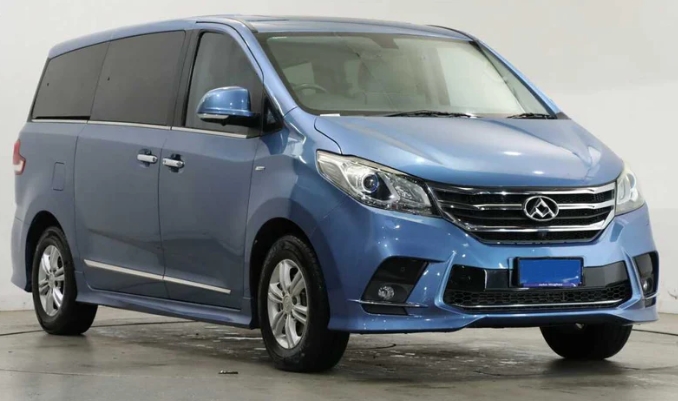
The Maxus G10 is one of the most important vehicles produced by SAIC Motor’s Maxus brand, serving as a cornerstone of its MPV lineup since the mid-2010s. Introduced in 2014, the G10 has undergone continuous evolution through facelifts, powertrain diversification, trim expansion, and electrification.
Over more than a decade of production—from 2014 to the present (2026)—the G10 has transitioned from a domestically focused people mover into a globally exported MPV known under different names such as LDV G10. This article explores the full evolution of the Maxus G10, including model years, trim levels, variants, and its long-term significance.
Origins and Launch (2014)
Background
The Maxus G10 was launched in April 2014 as the second passenger vehicle under the Maxus brand, following the V80 van.
It replaced older commercial-style MPVs and marked a shift toward:
- More refined passenger vehicles
- Dual-purpose family and business transport
- Global export potential
The G10 was designed by Torino Design and built in Wuxi, China, signaling SAIC’s ambition to compete with established MPVs like the Toyota Hiace and Honda Odyssey.
.

.
2014 Powertrain and Engineering
At launch, the G10 offered two gasoline engines:
- 2.4L naturally aspirated inline-4
- 2.0L turbocharged inline-4
Transmission options included:
- 5-speed manual (2.4L)
- 6-speed manual or automatic (2.0T)
The vehicle used a front-engine, rear-wheel-drive layout, unusual for MPVs but beneficial for load capacity and durability.
2014 Trim Levels
The initial trim lineup was relatively extensive for a new model. Common trims included:
- Fashion Edition
- Elite Edition
- Luxury Edition
These trims were available across both engine options, with differences in:
- Interior materials
- Seating configurations
- Technology features
Seating capacities ranged from 7 to 10 passengers, emphasizing versatility.
2015–2016: Expansion and Electrification
Introduction of the Maxus EG10 (Electric Variant)
In 2015–2016, SAIC introduced the Maxus EG10, the fully electric version of the G10.
Key specifications included:
- Electric motor: ~204 hp
- Torque: up to 800 Nm
- Range: ~150 km (early generation)
This made the G10 one of the earliest MPVs in China to offer an electric variant, primarily targeting:
- Government fleets
- Urban commercial users
Export Markets and Global Branding
Around 2015, SAIC began exporting the G10 to international markets:
- Australia and New Zealand (as LDV G10)
- Southeast Asia
- Europe (select markets)
This marked the beginning of the G10’s global presence.
Trim Expansion (2015–2016)
During this phase, trims expanded to include:
- Standard / Base variants
- Executive trims
- Luxury and Business editions
Additional configurations included:
- Cargo van versions
- High-roof variants (in some markets)
The model diversified into both passenger and commercial applications.
2016 Facelift: First Major Update
In 2016, the G10 received its first facelift.
Key Updates
- Revised front grille and headlights
- Improved interior materials
- Updated infotainment system
These changes aimed to modernize the vehicle and improve its appeal in export markets.
Powertrain Additions
During this period, new engine options were introduced:
- 1.9L turbo diesel engine
- Continued 2.0T gasoline engine
Diesel variants became especially important for:
- Fleet operators
- International markets
Trim Levels (2016–2017)
The facelifted lineup included more clearly defined trims:
- Base / Manual variants
- Executive Edition
- Luxury Executive Edition
These trims emphasized:
- Comfort features
- Business-class seating
- Improved safety systems
2017–2019: G10 Plus and Peak Diversification
Introduction of G10 Plus
In 2017, SAIC introduced the G10 Plus, an upgraded version of the original model.
Key improvements included:
- Refined exterior styling
- Enhanced interior quality
- Expanded diesel offerings
Powertrain Lineup
By this stage, the G10 family offered:
- 2.0T gasoline engine
- 1.9T diesel engine
- Electric EG10 variant
This made it one of the most versatile MPV lineups in its segment.
2017–2019 Trim Levels
The G10 Plus introduced a more premium-oriented trim structure:
- Standard Edition
- Executive Edition
- Luxury Edition
- Luxury Executive Edition
Higher trims included:
- Leather upholstery
- Advanced infotainment
- Enhanced seating configurations
The Luxury Executive Edition became a flagship trim, particularly for business users.
2019 Updates
By 2019, the G10 Plus lineup continued with refinements, including:
- Improved diesel efficiency
- Updated feature packaging
- Minor styling adjustments
2020–2022: Continued Production and Global Adaptation
Market Position
During this period, the G10 remained in production while newer models like the G20 began to emerge as more premium alternatives.
The G10’s role shifted toward:
- Value-oriented MPV
- Fleet and commercial use
- Export-focused markets
Trim Levels (2020–2022)
The lineup was simplified but retained key variants:
- Base / Standard trims
- Executive trims
- Luxury trims
In some markets (e.g., Malaysia), trims included:
- Sport
- Luxury
- SE (Special Edition)
Continued Electric Development
The electric variant evolved with improved battery options:
- 54 kWh and 71.8 kWh batteries
- Increased range compared to early EG10 models
2023–2026: Ongoing Production and Role in the Lineup
Continued Availability
As of 2026, the Maxus G10 remains in production, making it one of the longest-running models in the Maxus lineup.
It coexists with newer MPVs such as:
- G20 (premium upgrade)
- G90 (flagship luxury MPV)
Current Positioning
The G10 now serves as:
- An entry-level to mid-range MPV
- A fleet and commercial vehicle
- A global export model
Modern Variants
Recent versions include:
- Updated diesel models
- Refined gasoline variants
- Electric derivatives (region-specific)
Trim structures remain market-dependent but generally include:
- Base / fleet versions
- Mid-level comfort trims
- High-end executive trims
Design and Engineering Characteristics
Platform and Layout
The G10 retains its core architecture:
- Front-engine, rear-wheel drive
- Body-on-frame-inspired durability (though unibody construction)
- Large MPV proportions
Dimensions
- Length: ~5,168 mm
- Width: 1,980 mm
- Height: 1,928 mm
- Wheelbase: ~3,200 mm
Interior and Utility
The G10’s interior remains one of its key strengths:
- Seating for 7, 9, or 10 passengers
- Flexible configurations
- Large cargo capacity
It is widely used for:
- Shuttle services
- Corporate transport
- Taxi operations
Trim Evolution Summary
2014 (Launch)
- Fashion Edition
- Elite Edition
- Luxury Edition
2015–2016
- Expanded base and executive trims
- Introduction of EG10 electric
2016 Facelift
- Executive Edition
- Luxury Executive Edition
2017–2019 (G10 Plus)
- Standard
- Executive
- Luxury
- Luxury Executive
2020–2022
- Sport
- Luxury
- SE (market-specific)
2023–Present
- Simplified base, comfort, and executive trims
Market Position and Competitors
The G10 competes in the mid-size MPV segment against:
- Toyota Hiace
- Hyundai Staria
- Kia Carnival
Strengths
- Versatility (passenger and commercial use)
- Wide range of powertrains
- Competitive pricing
Weaknesses
- Aging platform compared to newer rivals
- Limited advanced driver assistance in older versions
Legacy and Brand Impact
The Maxus G10 is one of the most important vehicles in SAIC’s global expansion:
- Helped establish the Maxus brand internationally
- Demonstrated capability in both ICE and EV segments
- Served as a foundation for newer MPVs
Future Outlook
Gradual Replacement
The G10 is expected to be gradually phased out in favor of:
- More modern MPVs (G20, G90)
- Electrified models (MIFA series)
Continued Role in Emerging Markets
The G10 is likely to remain relevant in:
- Developing markets
- Fleet and commercial applications
Electrification Influence
Its early electric variant (EG10) paved the way for:
- Modern electric MPVs
- SAIC’s MIFA platform
The Maxus G10 is a defining model in the evolution of SAIC’s MPV lineup. Since its debut in 2014, it has undergone continuous development through:
- Multiple facelifts
- Expanded trim structures
- Introduction of diesel and electric variants
Across its lifecycle, the G10 has offered a wide range of trims—from Fashion and Elite editions to Luxury Executive variants—while adapting to changing market demands.
Even as newer models emerge, the G10 remains a significant vehicle, embodying durability, versatility, and global adaptability. Its long production run and diverse configurations make it one of the most important MPVs in Maxus history and a key stepping stone toward the brand’s electrified future.