The Evolution of the Nissan Cefiro: From Rear‑Drive Sedan to Global Executive Car
The Nissan Cefiro is a key chapter in Nissan’s history of mid‑size sedans — a nameplate that evolved dramatically over nearly two decades while influencing badge‑engineered derivatives around the world. Produced primarily between 1988 and 2004, the Cefiro went from a rear‑drive, sporting four‑door to a refined front‑drive executive car shared with the Nissan Maxima and Infiniti I30/I35 brands. Its evolution reflects shifting market trends, engineering philosophies, and global marketing strategies across Nissan’s product line.
Origins: Filling the Sedan Market Gap (1988–1994)
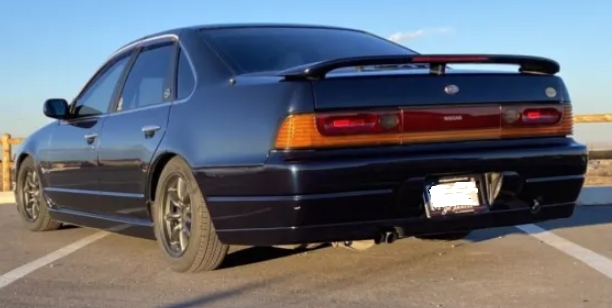
The Nissan Cefiro was introduced in 1988 (though some sources list early availability starting in late 1988) as the A31 series sedan. It was part of Nissan’s plan to fill a niche between established models such as the Bluebird and Laurel, offering a sportier or more aspirational alternative. In Japan, it targeted young professionals and “early 30s” buyers, as the company’s heritage collection notes.
A31 Series Overview
- Production Years: 1988–1994 (A31)
- Layout: Rear‑wheel drive (RWD), a distinctive feature that set it apart from many other sedans in its class.
- Body: 4‑door sedan only.
- Chassis Sharing: Used Nissan Laurel and Skyline components, giving the Cefiro a sporting and capable platform for the era.
Powertrains and Variants
The A31 was offered with a range of inline‑six engines and select four‑cylinder options in some markets:
- 2.0‑litre RB20DE — naturally aspirated six‑cylinder configuration.
- Other RB‑series variations including higher‑output engines in sporting trims like twin‑cam or even turbocharged versions.
Early Trims
Grade names varied by market, especially in Japan:
- Town Ride / Town Ride N — base and enhanced versions.
- Touring / Touring High‑Specs — sportier suspension and equipment.
- Autech Versions — special variants with unique tuning or luxury touches in limited quantities.
The A31 series was appreciated for its rear‑drive layout and smooth six‑cylinder engines, and it also became popular in motorsport and drifting scenes given its drivetrain and balanced chassis.
.

.
Second Generation (A32): Shift to Front‑Drive (1994–1998)
In 1994, Nissan dramatically reimagined the Cefiro as the A32 series — a front‑wheel‑drive (FWD) mid‑size sedan that prioritized comfort, refinement, and broader global appeal.
Platform and Market Position
- Production Years: 1994–1998 (A32)
- Layout: Front‑wheel drive with efficient V6 powertrains.
- Shared Architecture: Closely related to the Nissan Maxima and, in some markets, the Infiniti I30.
The A32 marked Nissan’s strategic move to build a globally competitive executive sedan, placing more emphasis on interior space, quietness, and overall refinement rather than pure rear‑drive sportiness.
Engines and Performance
The A32 was offered primarily with V6 engines:
- VQ20DE (2.0 L) — base V6 with strong efficiency.
- VQ25DE (2.5 L) — the mid‑range heart of the lineup.
- VQ30DE (3.0 L) — the top‑end, higher‑power engine in specific trims.
These engines were paired with either five‑speed manuals (in early low‑trim models or specific markets) or four‑speed automatic transmissions, emphasizing smoothness over sportiness.
Trim Levels and Variants
The A32 offered a much broader range of trims compared with the A31:
- Excimo Series (Luxury) — included 20 Excimo, 25 Excimo, and 30 Excimo for respective engine displacements.
- S Touring / 20S / 25SS Touring — sportier styling and sometimes suspension work.
- Initia / Initia Series — typically base or more affordable variants.
The 1990s saw continuous tweaks to the lineup with options, badges, and package enhancements adding more differentiation in equipment and luxury.
Wagon Variant
In addition to the sedan, the A32 generation also saw a wagon (five‑door) version produced until August 2000, which extended the Cefiro’s appeal to buyers needing extra cargo capacity.
International Production
Outside Japan, the A32 was assembled and marketed under different names and agreements:
- In Taiwan, the A32 was produced by Yulon Motor Company.
- In South Korea, it was badge‑engineered as the Renault Samsung SM5 under a partnership arrangement.
Third Generation (A33): Refinement and Global Coverage (1998–2004)
In December 1998, Nissan launched the A33 series, the final evolution of the Cefiro line. This version continued the front‑drive executive characteristics of the A32 while adding more technology, safety, and refinement.
Production Span and Platform
- Production Years: 1998–2004 (A33)
- Shared Architecture: Carried forward from the global Maxima/I30/I35 platform, fully integrating the Cefiro into Nissan and Infiniti mid‑size car strategy.
Engine Options
In the A33 series, powertrains continued to focus on V6 engines:
- 2.0 L VQ20DE — base model.
- 2.5 L VQ25DE — mid‑range.
- Additional larger variants were marketed indirectly through brother cars like the 3.0 L variants in luxury branches (e.g., Infiniti I30).
Trim Levels in Key Markets
In its home Japanese market and other regions, the A33 offered a wide array of trims:
- Excimo / Excimo G — luxury‑oriented trims with higher equipment levels.
- S Touring — sport‑leaning variants with suspension and styling enhancements.
- Brougham VIP — top‑tier luxury trim inspired by Nissan Cedric and Gloria executive sedans.
- Elite — later addition emphasizing comfort and equipment.
- L Selection / Limited Editions — niche collector or visually distinctive versions.
An Autech‑modified version also existed in limited numbers, offering bespoke tuning or styling packages in some markets.
Export Identity and Global Reach
The A33 was marketed globally in multiple forms:
- Infiniti I30 / I35 — North American luxury variants built on the Cefiro/Maxima platform.
- Nissan Maxima /Maxima QX — Europe and select markets often adopted these badges but still shared core architecture.
This wide rebadging strategy extended the Cefiro’s influence far beyond Japan, often reaching buyers who were unaware of the nameplate but drove the same underlying car.
Discontinuation and Successors
By 2004, Nissan moved away from the Cefiro name in most markets as it consolidated its sedan lineup around newer models like the Nissan Teana and Altima, which featured more modern front‑wheel‑drive platforms and updated styling that aligned with 21st‑century consumer expectations.
In many regions where the Cefiro had been popular, successors such as:
- Nissan Teana — positioned as a more modern executive sedan
- Nissan Maxima (with refreshed identity) — continued the Cefiro’s role in premium segments
…took over from a product strategy standpoint, blending performance, refinement, and global marketing reach.
Legacy and Future Outlook
Though no longer in production, the Nissan Cefiro left behind several lasting impacts on Nissan’s lineup and global sedan philosophy:
- Global Platform Strategy: The shift from the unique rear‑drive A31 to the globally shared front‑drive architecture of A32/A33 illustrated Nissan’s embrace of scalable platforms that could serve multiple markets with badge engineering (e.g., Infiniti I30).
- Engine Development: The Cefiro helped popularize Nissan’s VQ V6 engine family, which would go on to power a range of vehicles celebrated for smoothness and reliability.
- Executive Appeal: In markets throughout Asia, the Middle East, and parts of Europe, the Cefiro built a reputation for being a comfortable, capable, and well‑equipped executive sedan — an identity that lives on in later Teana and Altima models.
With increasing interest in classic Japanese sedans and the growing popularity of well‑maintained A31s and A32s in enthusiast communities, the Cefiro also enjoys a robust presence among collectors and tuners, particularly for its smooth six‑cylinder performance and rear‑drive heritage in early generations.
The Nissan Cefiro evolved significantly over its life from a 1988 rear‑drive sedan designed as a more sporting alternative to other mid‑size cars, through a 1994 front‑drive global executive car shared with the Maxima and Infiniti I30, to its final 2004 A33 series luxury‑oriented sedans with refined trims and powertrains. With multiple engine choices, broad trim structures across markets, and global badge engineering, the Cefiro not only served numerous markets for over a decade but also helped shape Nissan’s approach to global mid‑size sedans. Its legacy persists in modern Nissan models and continues to be appreciated by enthusiasts around the world.