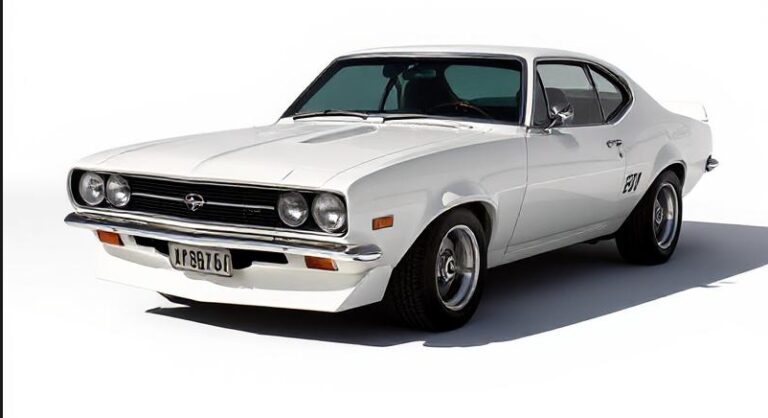
The Evolution of the TVR 420 SEAC & 450 SEAC: Britain’s Ultra‑Rare Wedge Legend
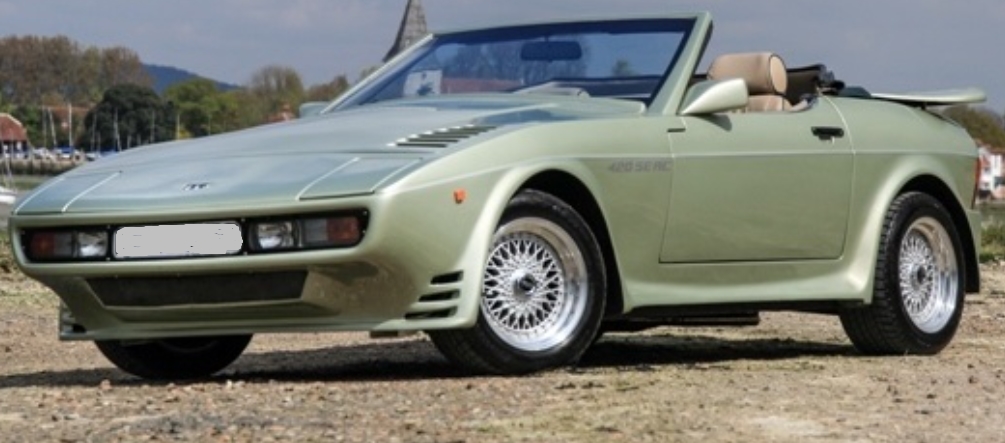
The TVR 420 SEAC is one of the most elusive and celebrated models in the history of British sports cars. Created during the late 1980s, it was the pinnacle of TVR’s “wedge” era — a line of sharply styled, high‑performance roadsters that encapsulated the brand’s uncompromising philosophy: lightweight construction, raw power, and visceral driving dynamics. Far more than just another TVR, the 420 SEAC was a homologation‑inspired special designed to compete on the racing circuit, and it remains one of the rarest TVRs ever produced. This article traces the evolution of the 420 SEAC, the context of its creation, its limited variants, and its legacy in the automotive world.
TVR’s Wedge Era: Motorsport Ambitions and Technical Background
In the 1980s, TVR was known for building distinctive, lightweight sports cars that eschewed electronic aids in favor of mechanical purity. The company’s “wedge” design era — spanning from the early 1980s through 1991 — included models like the 280i, 350i, 390SE and 400SE. These cars shared a sharp, angular aesthetic and offered a variety of V8 engines sourced mainly from Rover (bored and tuned in‑house).
By the mid‑1980s, TVR sought to elevate its performance credentials beyond that of its standard production cars. The goal was to build a true high‑performance machine capable of competing on track, leading to the creation of a homologation special: the 420 SEAC. The SEAC name stood for Special Equipment Aramid Composite, a reference to its advanced use of Kevlar in the bodywork — a world‑first application for a road car at the time.
.

.
Genesis of the 420 SEAC
The TVR 420 SEAC was introduced in 1986 as the high point of the wedge family. Developed under TVR Competition Manager Chris Schirle — an engineer with Formula One experience — the SEAC was engineered for racing. In its early outings, it dominated class competition, winning 21 of 24 races in the 1986/87 season before being banned for failing to meet homologation minimum build numbers.
Production took place at TVR’s factory in Blackpool, England, between 1986 and 1988, with a total of approximately 37 road‑going cars built.
Technology and Engineering Highlights
What made the 420 SEAC unique for its time was its construction and performance philosophy:
- Aramid Composite Bodywork: More than 20% of the body panels were made from Kevlar (aramid fibre) bonded with fiberglass, resulting in a significant weight reduction — roughly 100 kg (220 lbs) lighter than comparable wedge models.
- Engine: The 420 SEAC used a highly tuned 4.2‑litre Rover V8 producing around 300 bhp and 290 lb‑ft of torque (393 N·m).
- Transmission: Power was sent to the rear wheels via a 5‑speed manual gearbox (typically a Borg‑Warner T5).
- Performance: This combination enabled a sprint from 0–60 mph in approximately 4.7–5.0 seconds and a top speed of roughly 165 mph (266 km/h) — extremely quick for a mid‑1980s sports car.
- Aerodynamics: The SEAC models were instantly recognizable by their large rear spoilers and subtly reshaped noses, optimized for high‑speed stability.
Model Variants: 420 SEAC and Beyond
TVR’s production of the SEAC was focused and limited. Only one primary version was officially produced:
TVR 420 SEAC (1986–1988)
- Production Years: 1986 to 1988.
- Approximate Units Built: ~37 road cars.
- Engine: 4.2‑litre naturally aspirated Rover V8 producing around 300 bhp.
- Body: Kevlar composite and fiberglass, making it significantly lighter than standard TVRs.
- Performance: 0–60 mph ~4.7–5.0 s, Top speed ~165 mph.
- Unique Features: Large rear wing, wider bodywork, and track‑focused suspension tuning.
It’s worth noting that some early examples reportedly used more extensive Kevlar panels than later cars, which transitioned to standard fiberglass or a combination of fiberglass and carbon fiber due to production challenges with the advanced composite materials.
Successor: TVR 450 SEAC (1988–1989)
Following the 420 SEAC, TVR introduced the 450 SEAC to take the SEAC philosophy further: a larger 4.5‑litre V8 delivering closer to 325 bhp and a higher top speed — around 175 mph (282 km/h) — thanks to the increased displacement and tuning.
The 450 SEAC retained the wedge body style and aerodynamic enhancements but was even rarer on the road, with roughly 17 units built.
Together, the 420 and 450 SEACs represent the most performance‑oriented iterations of the wedge lineup. The SEAC series stood at the end of the wedge era; soon after, TVR would pivot to the more curvaceous Griffith design in the early 1990s.
Racing History and Homologation Challenges
Originally intended to homologate an outright racing car, the SEAC achieved early motorsport success thanks to its lightweight and potent V8, winning the majority of its races in the UK’s road sports championship. However, TVR’s inability to meet the minimum production requirement (usually 200 cars) saw the SEAC banned from many official competitions.
Despite this setback, the racing heritage of the SEAC added significantly to its mystique and desirability. Several cars were raced with even more powerful modifications — reports exist of race‑prepared 420s with outputs beyond 350 bhp.
Collectibility and Enthusiast Appeal
Given the extremely low production numbers, both the 420 and 450 SEAC variants are among the most sought‑after TVRs among collectors and enthusiasts. Their rarity, combined with performance that rivaled many exotic sports cars of the era, makes them a high‑value classic today. Market values can vary widely depending on provenance, originality, and condition, but examples often command significant attention at classic car auctions and specialist sales.
The SEAC’s combination of raw performance, rarity, and quintessential TVR character — a visceral driving experience with minimal electronic interference — contributes to its enduring appeal.
Technical and Design Legacy
The SEAC’s innovative use of modern materials — in particular Kevlar composites — influenced TVR and other small manufacturers in their approach to lightweight construction. While not widely adopted industry‑wide at the time, SEAC’s experimentation with composites prefigured broader use of carbon fiber in sports and racing cars in the decades that followed.
Additionally, the SEAC reaffirmed TVR’s philosophy of maximizing power‑to‑weight ratio above all else, an ethos later embodied in models like the TVR Cerbera and Sagaris.
Future Outlook and Legacy
Although TVR went through periods of production hiatus and restructuring, its modern revival — including new models like the TVR Griffith (2020s) — shows a continuing commitment to low‑weight, high‑power sports cars. The SEAC’s influence is evident in TVR’s contemporary philosophy, where weight saving remains paramount even as power escalates with modern engines and materials.
In the classic car market, the 420 and 450 SEACs continue to appreciate in prestige and value. Their rarity, combined with the visceral driving experience and motorsport story, ensures that they are revered among fans of British performance machinery.
Conclusion
The TVR 420 SEAC occupies a unique place in automotive history — the apex of the wedge‑shaped TVR sports cars, built with cutting‑edge composite materials and endowed with strong performance credentials rarely matched by contemporaries. While produced in extremely limited numbers between 1986 and 1988, it remains an icon of British sports car engineering and enthusiast culture. The transition to the 450 SEAC in 1988 broadened the SEAC series’ performance envelope, cementing the legacy of these rare machines. Even decades after production ended, the SEAC models symbolize the raw passion and exoticism that have made TVR a distinct and beloved marque among driving purists and collectors alike.