The Evolution of the Vauxhall Crossland: A Journey Through Compact Crossover Innovation
The Vauxhall Crossland, a name that has become synonymous with practical and stylish compact adventuring, represents a fascinating chapter in Vauxhall’s long and storied history. While not boasting the decades-long lineage of some of its stablemates, the Crossland’s evolution tells a compelling tale of adapting to market demands, embracing technological advancements, and solidifying Vauxhall’s presence in the ever-growing crossover segment. From its initial inception as more of a raised hatchback to its eventual refinement as a true compact SUV, the Crossland’s journey is a testament to Vauxhall’s commitment to delivering versatile and accessible vehicles.
The Genesis: A New Beginning (2017)
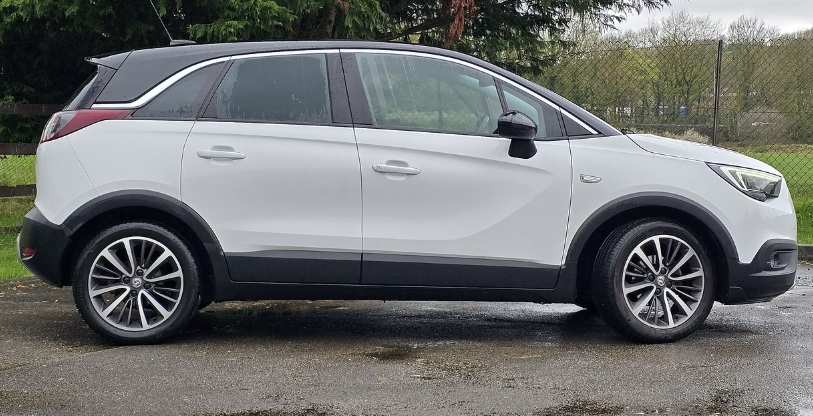
The story of the Vauxhall Crossland begins in 2017, with the arrival of the Crossland X. The “X” suffix was deliberately chosen to signify its crossover credentials, distinguishing it from the more traditional hatchback offerings in Vauxhall’s lineup. This was a bold move for Vauxhall, entering a segment that was rapidly gaining traction across Europe. The Crossland X was designed to appeal to a demographic seeking the practicality and elevated driving position of an SUV, but within a compact footprint suitable for urban environments and families.
First Generation: The Crossland X (2017-2020)
The initial Crossland X was a significant departure from previous Vauxhall models. It was built on a platform shared with the Citroën C3 Picasso, a collaboration that brought a fresh perspective to Vauxhall’s design language and engineering. The Crossland X offered a compelling blend of style, comfort, and practicality, making it an attractive proposition for buyers.
Key Features and Design Philosophy:
Elevated Stance: The most defining characteristic was its raised ride height compared to a conventional hatchback, providing a sense of command and easier ingress/egress.
Spacious Interior: Despite its compact exterior dimensions, the Crossland X boasted a surprisingly roomy interior, with ample legroom and headroom for passengers. The rear bench seat was also designed to slide, offering flexibility between passenger space and boot capacity.
Practicality Focused: Boot space was a strong suit, easily accommodating luggage, shopping, and family essentials. The rear seats could be folded down to create a flat loading area, further enhancing its versatility.
Modern Aesthetics: The design was contemporary, featuring Vauxhall’s signature “blade” styling line on the flanks, a prominent grille, and distinctive LED daytime running lights.
Engine Options for the First Generation (2017-2020):
Vauxhall offered a range of efficient and reliable engines to cater to various driving needs. These typically included:
Petrol Engines:
1.2-litre naturally aspirated: A smooth and economical option, often found in lower trim levels.
1.2-litre turbocharged (e.g., 110PS, 130PS): Offering a good balance of performance and efficiency, these were popular choices.
1.4-litre turbocharged (e.g., 125PS): Another well-rounded petrol option.
Diesel Engines:
1.6-litre naturally aspirated (e.g., 99PS): A fuel-efficient and torquey option, ideal for high-mileage drivers.
1.6-litre turbocharged (e.g., 120PS): Providing a bit more power and refinement for longer journeys.
Trim Levels for the First Generation (2017-2020):
Vauxhall typically offered a tiered trim structure to provide buyers with varying levels of specification and personalization.
Common trim levels included:
Life: The entry-level trim, offering essential features for comfortable and safe motoring.
Art (later Griffin): A mid-range option, adding more comfort and convenience features, often with distinctive styling elements.
Tech Line: Aimed at business users, prioritizing features like satellite navigation and enhanced connectivity.
Elite: The range-topping trim, boasting premium features such as leather upholstery, heated seats, advanced driver aids, and larger alloy wheels.
SRi: Often a sportier-oriented trim, with enhanced exterior styling and potentially firmer suspension settings.
Xclusive: (Appeared later in the generation) A premium trim level, often building upon the Elite specification with even more luxurious touches.
Griffin: Introduced as a popular value-oriented trim, often replacing or supplementing existing mid-range options, offering a strong package of features for the price.
.
THIS is GOOD stuff if your car is in need:

.
Mid-Generation Refresh: Evolution of the X (2020)
In 2020, the Crossland X received a significant facelift, marking its transition to the simpler moniker “Crossland.” This update wasn’t just a cosmetic tweak; it brought a revised design language, improved technology, and a more substantial SUV-like presence. The “X” was dropped, signaling a more focused identity as a compact SUV.
Key Changes in the 2020 Facelift:
“Vizor” Front End: The most striking change was the adoption of Vauxhall’s new “Vizor” frontal design, a sleek, single-piece panel integrating the grille and headlights. This gave the Crossland a more modern and aggressive appearance, mirroring the styling of other newer Vauxhall models like the Corsa.
Revised Bumpers and Lighting: The front and rear bumpers were redesigned, offering a more robust and sculpted look. The headlights and taillights also received subtle updates.
Enhanced Interior Tech: The infotainment system was upgraded with newer software and larger touchscreen options. Some models also introduced fully digital instrument clusters.
Improved Driving Dynamics: Vauxhall claimed refinements to the suspension and steering, aiming to provide a more engaging and comfortable driving experience.
Second Generation: The Crossland (2020-Present)
The Crossland (post-2020) continued to build on the strengths of its predecessor while embracing the updated Vauxhall identity. It maintained its focus on practicality and accessibility but with a more assertive and contemporary aesthetic.
Engine Options for the Second Generation (2020-Present):
The engine lineup saw some adjustments, with a continued emphasis on efficiency and emissions compliance.
Petrol Engines:
1.2-litre turbocharged PureTech (e.g., 110PS, 130PS): These evolved versions of the existing 1.2-litre turbo remained a cornerstone, often paired with improved transmissions.
Diesel Engines:
1.5-litre BlueHDi (e.g., 110PS, 120PS): Replacing the older 1.6-litre diesels, these offered improved emissions and efficiency.
Transmission Options:
Throughout its evolution, the Crossland offered a choice of transmissions, including:
5-speed manual
6-speed manual
6-speed automatic
8-speed automatic (introduced with the newer diesel engines)
Trim Levels for the Second Generation (2020-Present):
The trim structure was refined for the post-facelift model, with a focus on providing clear differentiation and value. Common trim levels include:
SE: Replacing the entry-level Life, offering a solid foundation of features.
SRi Nav: A sportier variant, often including satellite navigation and styling enhancements.
Tech Line Nav: Targeted towards business users, emphasizing connectivity and navigation.
Elite Nav: A premium offering, focused on comfort, luxury, and advanced technology.
Ultimate: The pinnacle of the Crossland range, providing the most comprehensive suite of features, including premium materials, advanced driver aids, and larger alloy wheels.
Course: A more recent addition, often positioned as a compelling value proposition, blending popular features with an attractive price point.
Vauxhall Corsa Griffin: While distinct from the Crossland, it’s worth noting Vauxhall’s strategy of offering “Griffin” editions across its range as a strong value proposition, and similar principles might have influenced Crossland trim decisions over time.
The Crossland’s Place in the Market:
The Vauxhall Crossland carved out a niche as a highly practical and sensible choice in the competitive compact crossover market. It appealed to a broad audience, from young families seeking a versatile all-rounder to older drivers appreciating its ease of access and comfortable driving position. Its strengths lay in its:
Affordability: Generally positioned as a value-driven option within its segment.
Practicality: Excellent interior space and a generous boot made it ideal for everyday life.
Comfort: A comfortable ride and well-appointed interior contributed to a pleasant travel experience.
Vauxhall’s Trusted Brand: Benefiting from Vauxhall’s long-established reputation for reliability and widespread dealer network.
Evolutionary Milestones and Key Takeaways:
The journey of the Vauxhall Crossland is a compelling example of automotive evolution.
From Crossover Niche to Core Offering: The initial “Crossland X” signaled Vauxhall’s strategic move into a burgeoning segment. The subsequent simplification to “Crossland” cemented its position as a key model in their lineup.
Design Adaptation: The facelift in 2020 was a crucial moment, aligning the Crossland with Vauxhall’s modern design language and giving it a more contemporary and desirable appeal.
Technological Integration: Throughout its production, the Crossland saw continuous upgrades in infotainment systems, connectivity, and driver assistance technologies, keeping it competitive in an increasingly tech-driven market.
Platform Synergy: The initial collaboration with PSA (now Stellantis) allowed Vauxhall to leverage existing platforms and technologies, bringing the Crossland to market efficiently.
The Future:
As the automotive landscape continues to shift towards electrification, the future of models like the Crossland is likely to involve an increased focus on hybrid and fully electric powertrains. While specific future iterations are yet to be fully detailed, the Crossland’s established strengths in practicality and accessibility suggest it will continue to play a vital role in Vauxhall’s commitment to offering versatile and desirable vehicles for a wide range of customers.
In conclusion, the Vauxhall Crossland, from its inaugural appearance as the Crossland X in 2017 to its current iteration as the refined Crossland, represents a successful evolution. It has adeptly navigated changing market trends, embraced technological advancements, and consistently delivered on its promise of practical, stylish, and accessible compact crossover motoring, solidifying its place as a valued member of the Vauxhall family.