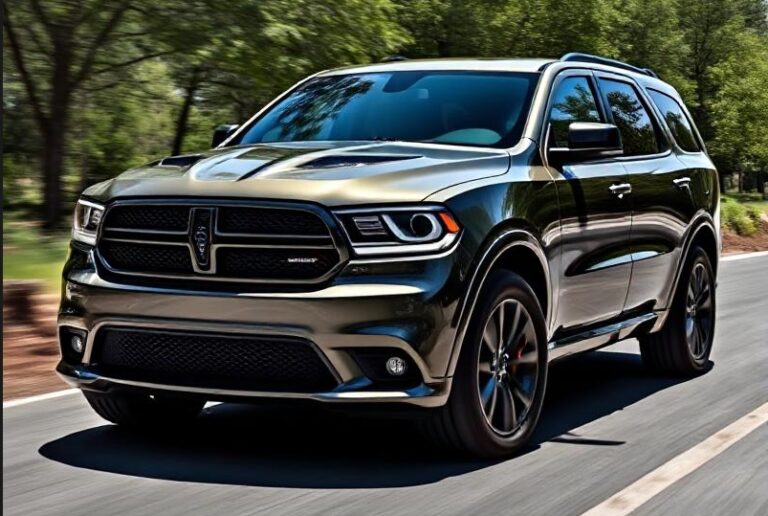
The Mazda Tribute: A History of Compact SUV Evolution
The Mazda Tribute, a compact SUV, carved a niche for itself in the North American market, offering a blend of Mazda’s engineering prowess and a more accessible price point. Its journey, spanning nearly two decades, reflects the evolving landscape of compact SUVs, from early adoption of the platform to subsequent model updates and eventual discontinuation.
First Generation (2000-2005): Laying the Foundation
The first-generation Mazda Tribute, introduced in 2000, was a direct response to the growing demand for compact SUVs. Built on a platform shared with the Ford Escape, it leveraged Ford’s expertise while retaining a distinct Mazda aesthetic.
- 2000-2002 Models: These early models were available in various trim levels, primarily reflecting different engine options and interior features. Key trim levels included:
- Base: The entry-level model, often equipped with a 2.0L four-cylinder engine.
- Sport: A more performance-oriented trim, featuring a more aggressive exterior styling and potentially a slightly upgraded interior.
- LX: A higher trim level, often including features like upgraded audio systems, leather seats, and improved safety options.
- 2003-2005 Models: Refinement and slight updates characterized these years. Mazda introduced optional features like anti-lock brakes, traction control, and more advanced air conditioning systems. The trim structure remained largely consistent, with the base, sport, and LX levels continuing to represent different feature sets. There was also some slight evolution in the engine options, with potential upgrades or efficiency improvements.
Second Generation (2006-2010): Maturing into a Compact SUV
The second-generation Mazda Tribute, introduced in 2006, showed a more pronounced evolution in design and features. The platform remained largely shared with Ford, but Mazda’s design language was more evident.
- 2006-2010 Models: This generation saw a significant expansion in trim levels, catering to a wider range of customer preferences. Trim levels included:
- Base: The entry-level model, still offering the 2.3L four-cylinder engine as a standard option.
- Sport: Continued to provide a more aggressive styling and performance-oriented features.
- LX: The mid-level trim, typically equipped with features like upgraded infotainment systems, upgraded alloy wheels, and possibly sunroof options.
- SE: A higher trim level, often including more premium interior materials, upgraded safety packages, and additional convenience features.
- Limited: The top-of-the-line trim, often featuring luxury options such as leather seats, premium sound systems, and advanced safety technologies.
Key Features and Technology Advancements Across Generations:
Both generations witnessed the gradual integration of advanced safety features, reflecting the evolving automotive industry standards. ABS, traction control, and stability control became standard in later models. Interior technology also progressed, with the addition of more advanced audio systems, and the incorporation of increasingly user-friendly infotainment systems.
Sales Trends and Market Response:
The Tribute, while offering a competitive price point and a functional design, faced challenges in the increasingly crowded compact SUV segment. The market was becoming more sophisticated, with competitors offering superior features and fuel efficiency. Sales figures, while initially strong, gradually declined as the Tribute faced increased competition.
.
Many car aficionados have multiple hobbies, like boating as well as auto stuff. Those who don’t already own a boat (and even some that do), may have thought about building their own boats. It’s really not as hard as you’d think. Just take a look at these easy boat building plans!

.
Discontinuation and Legacy:
Mazda eventually discontinued the Tribute, making way for new models that better reflected the company’s evolving strategy. The Tribute’s legacy lies in its contribution to the compact SUV market, showcasing Mazda’s ability to adapt to changing consumer demands. While not a flagship model, it served as a stepping stone for Mazda’s continued expansion in the North American market.
Differences Between Ford Escape and Mazda Tribute:
While the Tribute shared a platform with the Ford Escape, key differences existed. Mazda typically focused on a slightly more refined and stylish interior design, aiming for a slightly more premium feel compared to its Ford counterpart. Engine options, though sometimes overlapping, could have subtle variations in tuning and output. Exterior styling, while sometimes sharing a resemblance, often featured different front grilles, bumpers, and alloy wheels.
Conclusion:
The Mazda Tribute’s journey reflects the dynamics of the automotive industry. From its initial introduction as a competitive compact SUV to its eventual discontinuation, the Tribute played a notable role in the market. Its evolution through two generations highlighted Mazda’s commitment to adapting to changing consumer preferences and market demands, ultimately paving the way for future Mazda models. While its presence is no longer felt in the current market, the Tribute’s impact on the compact SUV segment remains a significant part of automotive history.