The Forward-Thinking Classic: A Comprehensive History of the Audi 5000
In the annals of automotive history, few cars represent a brand’s transformation from a purveyor of utilitarian vehicles to a global luxury powerhouse as effectively as the Audi 5000. Produced from 1983 to 1991, the Audi 5000 (known globally as the Audi 100) was the vehicle that cemented Audi’s reputation for technological innovation, aerodynamic design, and the introduction of the all-wheel-drive system to the sedan segment.
While the name “Audi 5000” is often remembered in the United States for a controversial safety recall in the late 1980s, the vehicle itself was a masterpiece of German engineering. It bridged the gap between the boxy, mechanical Audis of the 1970s and the sleek, high-tech luxury cars of the 1990s. This article explores the evolution of the Audi 5000, detailing its production history, model variations, and lasting legacy.
The Genesis: The C2 Platform (1983–1988)
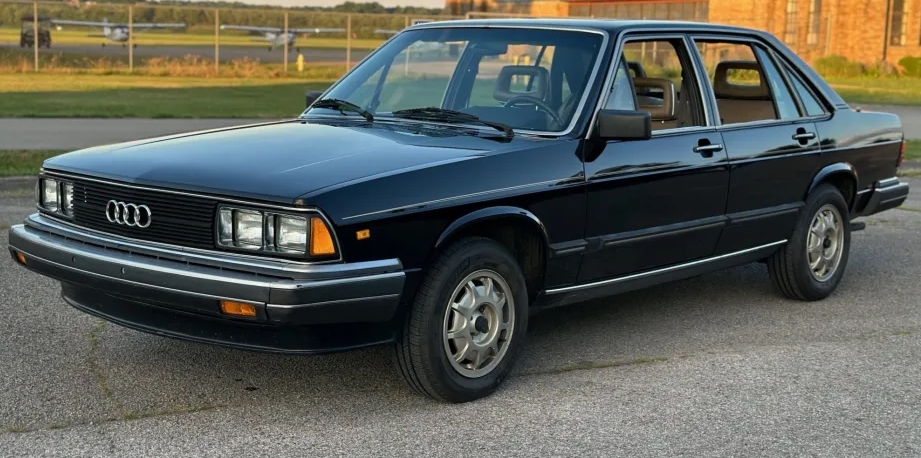
The Audi 5000 nameplate debuted in the North American market for the 1983 model year, corresponding to the global “C2” platform Audi 100. While the previous generation (C1) had been boxy and somewhat staid, the C2 was a revelation.
Design and Aerodynamics The most striking feature of the C2 Audi 5000 was its aerodynamic profile. With a drag coefficient (Cd) of 0.30, it was one of the most aerodynamic production cars in the world at the time. This was achieved through a fully enclosed underbody, covered windshield wipers, and flush-fitting glass. The design was the result of extensive wind tunnel testing, prioritizing fuel efficiency and high-speed stability.
Engine and Drivetrain The C2 generation was powered by a range of inline-five cylinder engines, a configuration that became synonymous with Audi.
- Gasoline Engines: The base model in the US was the 2.0L naturally aspirated 5-cylinder (97 hp). The performance variant was the 2.1L (later 2.2L) Turbocharged engine, producing between 130 hp and 160 hp depending on the year and specific trim.
- Diesel Engines: In Europe, the 5000 was available with the 2.0L and 2.1L diesel engines, including the first iteration of the turbocharged diesel, which offered impressive torque for the era.
Trim Levels and Models (C2)
- Audi 5000 (Base): Focused on comfort, featuring cloth seats, manual windows (early years), and the 2.0L naturally aspirated engine.
- Audi 5000 S: The upgrade trim, adding power windows, mirrors, and a better audio system. In later years, this became the standard trim.
- Audi 5000 Turbo: The performance flagship. It featured a turbocharged 2.1L 5-cylinder engine, sport suspension, limited-slip differential (optional), and distinctive “turbo” badging. It was capable of reaching 130 mph, making it a legitimate competitor to BMW and Mercedes-Benz.
- Audi 5000 CD (Coupe De Luxe): A specific designation for the 5-door hatchback model (known as the 100 Avant in Europe). While the US market primarily received the sedan, the hatchback offered unique versatility.
The Revolution: The C3 Platform (1989–1991)
In 1988 (for the 1989 model year in the US), Audi introduced the C3 generation. This was a complete redesign and arguably the most significant vehicle in Audi’s history. It was sleeker, more rounded, and technologically advanced.
Design and Engineering The C3 featured a drag coefficient as low as 0.29, making it the most aerodynamic production car in the world at launch. The body was entirely galvanized for rust protection, a premium feature at the time. The chassis was stiffer, and the interior quality saw a massive leap forward with soft-touch plastics and ergonomic seating.
The Introduction of Quattro While Audi had introduced all-wheel drive in the Quattro coupe in 1980, the C3 Audi 5000 was the first to offer the permanent all-wheel-drive system in a sedan body style in the US market (starting in 1990). This was a game-changer, offering traction and safety that rear-wheel-drive competitors could not match.
Engine Evolution The C3 generation continued with the 5-cylinder engines but refined them significantly.
- 2.3L Naturally Aspirated (130 hp): Introduced in 1989, this engine replaced the 2.0L and offered smooth power delivery.
- 2.2L Turbo (162 hp): The performance engine, available in the 200 Turbo 20V model (technically the “200” trim, but often grouped with the 5000 lineage in marketing).
- 2.5L TDI (1990): In Europe, the C3 saw the introduction of the 2.5L V6 TDI engine, a massive leap in diesel technology that offered high torque and fuel economy.
Trim Levels and Models (C3)
The naming convention shifted slightly in the US for the 1989–1991 models, though the “5000” name remained prominent.
- Audi 5000 (Base):
- Engine: 2.3L 5-cylinder (130 hp).
- Features: Standard power windows, locks, and mirrors. Cloth upholstery. Manual climate control. The base model was well-equipped compared to American rivals.
- Transmission: 3-speed automatic or 5-speed manual (rare).
- Audi 5000 S:
- Engine: 2.3L 5-cylinder.
- Features: Added a sunroof, upgraded alloy wheels, and cruise control. The “S” designation here did not yet mean “Sport” (as it does with S-line today); it was simply a higher luxury trim.
- Audi 5000 CS (1990–1991):
- Engine: 2.3L 5-cylinder (Naturally Aspirated).
- Features: The CS (Coupe Sport) was the top-tier luxury trim. It included leather upholstery, heated seats, a premium sound system, and the distinctive “CS” badging.
- Audi 200 Turbo Quattro (1990–1991):
- While technically badged as the “200,” this model is the direct descendant of the 5000 Turbo and is essential to the lineage.
- Engine: 2.2L Turbocharged 20-valve inline-five (162 hp).
- Drivetrain: Quattro All-Wheel Drive.
- Features: Sport suspension, limited-slip differential, Recaro sport seats, and a rear spoiler. This was the performance variant, capable of 0-60 mph in under 7.5 seconds.
The “Unintended Acceleration” Controversy
No history of the Audi 5000 is complete without addressing the scandal that nearly destroyed Audi in America. In 1986, 60 Minutes aired a segment featuring a dramatic film showing an Audi 5000 accelerating on its own while the driver was attempting to brake.
The National Highway Traffic Safety Administration (NHTSA) investigated and eventually cleared Audi of mechanical defects. It was determined that the incidents were caused by driver error—specifically, the floor mats in the Audi 5000 were not anchored, and the pedal configuration (close together) led drivers to press the accelerator when they intended to press the brake.
Despite the eventual vindication, the damage was done. Audi sales plummeted from 74,000 units in 1985 to just 12,000 in 1991. Audi responded by renaming the car the “Audi 100” for the 1992 model year and moving the brake and accelerator pedals further apart. The 5000 name was retired in the US, marking the end of an era.
.
THIS might be a great place to get your new car from!
Or for those who are into the “car flipping” business, here’s an excellent resource for you!

.
The End of the Line and Legacy
Production of the C3 generation continued globally until 1994. In 1992, the US market received the Audi 100 (the same C3 body but with the 2.8L V6 engine replacing the 5-cylinder) and the Audi S4 (the high-performance version).
In 1994, Audi officially retired the “100” and “5000” names worldwide, replacing them with the “A6” nomenclature, which is still used today. The C4 platform became the first Audi A6.
Future Outlook and Collectibility
Today, the Audi 5000 is viewed through a lens of nostalgia and respect. The controversy of the 1980s has faded, replaced by an appreciation for the car’s durability and forward-thinking design.
Collectibility
- C2 (1983-1988): The early models, particularly the 5000 Turbo, are becoming rare finds. Their analog driving experience and unique 5-cylinder sound appeal to enthusiasts.
- C3 (1989-1991): The 1990-1991 Audi 200 Turbo Quattro is the most desirable variant. With all-wheel drive, a 20-valve turbo engine, and Recaro seats, it is considered a “sleeper” classic—capable of outperforming many modern cars in inclement weather.
- Survivorship: Due to the galvanized bodies, many 5000s have survived the rust that claimed their contemporaries. Finding a clean, low-mileage example is increasingly difficult but highly rewarding.
Modern Relevance The Audi 5000 laid the groundwork for the modern Audi A6. Its emphasis on aerodynamics influenced every subsequent Audi sedan. The introduction of Quattro in the 5000 paved the way for Audi’s dominance in rally racing and the luxury SUV market.
Furthermore, the 5-cylinder engine developed in the 5000 is still in production today. The current Audi RS3 and TT RS utilize a 2.5L 5-cylinder engine that is a direct descendant of the powerplant found in the 1983 5000 Turbo. This engine architecture is one of the longest-running in automotive history, a testament to the engineering of the 5000 era.
Conclusion
The Audi 5000 was more than just a car; it was a statement of intent. It proved that a sedan could be aerodynamic, safe, and technologically advanced without sacrificing performance. From the turbocharged C2 to the Quattro-equipped C3, the 5000 established the DNA of the modern Audi: understated design, all-weather capability, and engineering innovation.
While the name “5000” is no longer in use, its spirit lives on in every Audi A6 that rolls off the assembly line. For those who owned one, the 5000 remains a beloved classic—a boxy yet sleek cruiser that defined a generation of German engineering and survived one of the automotive industry’s most infamous controversies to earn its place in history.