The History of ASC (American Specialty Cars)
American Specialty Cars: A History of Innovation, Sunroofs, and Niche Automotive Engineering
American Specialty Cars — better known in earlier decades as American Sunroof Company (ASC) — was an American automotive supplier and niche vehicle engineering firm that left a distinctive mark on the U.S. auto industry. From pioneering sunroof installations to engineering specialty vehicles and convertible systems for major automakers, ASC’s history spans over five decades of innovation, transition, and eventual closure.
Founding and Early Years (1965–1970s)
ASC was founded in 1965 by Heinz C. Prechter in Los Angeles, California as the American Sunroof Company. Prechter was a German-born entrepreneur (b. January 19, 1942, in Kleinhöbing, Bavaria) who came to the United States in 1963 as a foreign exchange student. While studying business administration and English at San Francisco State College, he began installing sunroofs — which were then virtually unknown in the U.S. — on vehicles. With just a few hundred dollars and basic tools, Prechter launched his company, eventually relocating operations to Michigan to be closer to Detroit automakers.
Under Prechter’s leadership, ASC carved out a niche as a specialist in sunroof systems, aftermarket convertible tops, and low-volume specialty automotive modifications. During the 1960s and 1970s, the company expanded its customer base to several major automakers and established itself as a pioneer in the sunroof industry.
Growth, Innovations, and Diversification (1980s–1990s)
Convertible Engineering and Coachbuilding
In the early 1980s, ASC expanded beyond sunroofs into convertible design and specialty conversions. One of its most notable contributions was the development of convertible systems for a variety of vehicles. ASC engineered and built convertible versions of popular models, including the Buick Riviera and variants of the Chevrolet Cavalier and Pontiac Sunbird / Pontiac Sunfire. Additionally, ASC collaborated with automakers on concept vehicles like the Saab 900 cabriolet and prototype convertibles for the Corvette ZR-1.
ASC’s work included licensed and co-branded offerings like the ASC/McLaren convertibles — a series of special editions (e.g., Mercury Capri convertible and Mustang convertible) that married ASC’s convertible expertise with the McLaren name for marketing appeal. These vehicles showcased ASC’s bespoke engineering and helped raise its profile in the specialty car market.
The firm also ventured internationally: starting in 1989 ASC manufactured the Porsche 944 Cabriolet at its facility in Germany — a significant achievement that spoke to its engineering credibility.
Internal Challenges and Shifting Markets
Throughout the late 1980s and 1990s, the company faced increasingly competitive pressures in the core sunroof business. Larger suppliers such as Webasto and Inalfa expanded their OEM contracts, leading to losses in ASC’s share of the original equipment market. Organizational changes ensued, including leadership transitions and restructuring to emphasize convertible systems and specialty vehicle engineering over commodity sunroof components.
In the mid-1990s, ASC held approximately 25% of the domestic convertible top market — a testament to its position in that niche even as its sunroof business waned.
Major Projects and Milestones
Buick GNX (1987)
The ASC Buick GNX is a testament to ASC’s sophistication in performance enhancement. Produced in 1987, the GNX was a high-performance version of the Buick Regal. It was equipped with a potent turbocharged V6 engine, making it one of the fastest production cars at the time. The Buick GNX became a symbol of power in the automotive world and is still cherished among car enthusiasts.
ASC McLaren Mustang
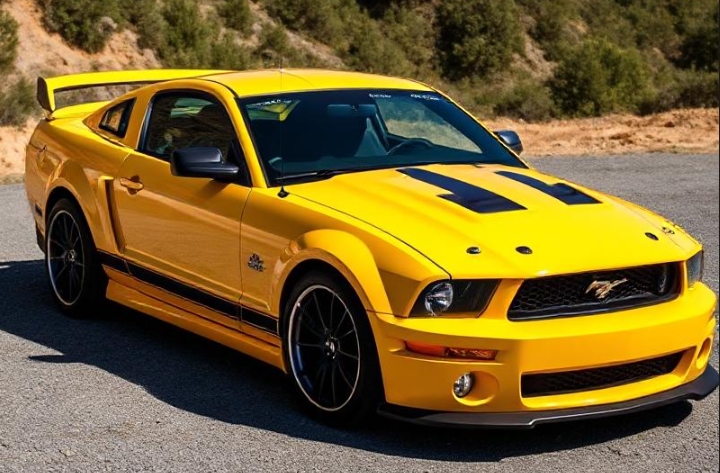
One standout vehicle from ASC’s portfolio is the ASC McLaren Mustang. In collaboration with McLaren, ASC produced this special edition Mustang from 1984 to 1990. The vehicle boasted a distinctive style, with most models featuring a convertible top, sporty body, and high-performance engine. The ASC McLaren Mustang, to date, remains a collector’s favorite epitomizing the glamour of 80’s sports cars.
Chevrolet SSR (2000s)
One of the most recognizable vehicles associated with ASC was the Chevrolet SSR (Super Sport Roadster), a retro-styled retractable hardtop pickup produced by Chevrolet from 2003–2006. While General Motors manufactured the vehicle, ASC played a central role as design and specialty engineering partner — supplying numerous subassemblies and helping bring the concept to production.
Although the SSR sold below expectations — with under 9,000 units sold in its debut year and around 24,150 total built — it remains an iconic example of early 2000s automotive experimentation and ASC’s capacity to work on full vehicle programs.
Convertible Production Milestone
In 2005, ASC celebrated the production of its one-millionth convertible, a Toyota Solara convertible, underscoring decades of cumulative work in open-air vehicle production for a range of automakers including Toyota, Mitsubishi, GM, Ford, and others.
Design Concepts and Innovation
ASC also garnered attention for concept vehicles like the Helios, a four-door convertible based on the Chrysler 300C platform — the first full-size four-door convertible concept since the 1960s — and other bespoke design studies that pushed engineering boundaries.
Strategic Pivot and Rebranding (2004)
By 2004, as part of a broader strategic shift, ASC sold its aftermarket sunroof business to Inalfa Roof Systems and changed its name from American Sunroof Company to American Specialty Cars to reflect its new focus on low-volume vehicle design, engineering, and niche manufacturing.
This pivot aimed to leverage ASC’s strengths in specialty vehicle engineering and custom projects, rather than competing in the commoditized sunroof market. Leadership at the time hoped to position the firm akin to European design houses like Pininfarina — serving North American OEMs with bespoke design and engineering services.
Financial Struggles and Bankruptcy (2007)
Despite its ambitious repositioning, ASC encountered financial difficulties. In 2007, the company filed for Chapter 11 bankruptcy restructuring under the U.S. Bankruptcy Code amid challenges sustaining profitability and maintaining operational continuity. Through the bankruptcy process, ASC sold its convertible and design service units to Hancock Park Associates, a private equity firm with interests in automotive specialty businesses.
This sale aimed to preserve key parts of ASC’s business while liquidating non-core assets. The acquired units continued operations under Hancock Park’s oversight, aligned with other specialty automotive brands.
Final Years and Closure (2010s)
After years of activity under new ownership, ASC gradually wound down operations. In late 2016, the company sold assets of its Creative Services division to Roush Industries. Then, by June 2017, ASC effectively ceased operations entirely — laying off all staff and having its tooling and equipment removed from its Lexington, Kentucky plant, signaling a complete shutdown of its core business.
What Made ASC Different
Unlike high-volume automakers such as Ford, GM, or Toyota, ASC never focused on mass production of standard passenger cars. Its strength lay in specialty engineering, low-volume production, and customization — transforming fixed-roof coupes into convertibles, developing bespoke body systems, and contributing subassemblies for niche models. This focus distinguished ASC from traditional manufacturers, positioning it more as an innovative engineering partner rather than a primary brand selling cars directly to consumers.
ASC was also adaptive — evolving from sunroof pioneer to full convertible and specialty vehicle design house — responding to market pressures and shifting demand for customization and niche products.
Factory Operations and Consumer Reception
ASC’s operational footprint included engineering centers, conversion and assembly facilities, and partnerships with OEMs and international entities. Its work was often behind the scenes: vehicles sold through automaker dealer networks carried the principal brand (e.g., Toyota, GM), while ASC’s contributions were recognized within industry circles more than among general consumers.
Overall, U.S. consumers appreciated ASC-built convertibles and specialty vehicles where available, but broad public awareness of the company itself remained limited because its core role was as a supplier and modifier rather than a consumer brand.
Notable Vehicle Models
While ASC did not sell vehicles under its own badge, it is associated with several notable models that it engineered, converted, or helped produce:
- Toyota Solara Convertible – milestone convertible representing ASC’s engineering work in partnership with Toyota.
- ASC McLaren Convertible Series – a range of specialty convertibles from the 1980s based on Mercury Capri and Mustang platforms.
- Porsche 944 Cabriolet Production – manufactured at ASC’s German facility for Porsche.
Most Successful Program: The Chevrolet SSR project stands out for its high profile and extensive collaboration with General Motors. While exact ASC sales figures aren’t published, the SSR program saw around 24,150 units built, many featuring ASC-supplied components.
Legacy and Current Status
By mid-2017, American Specialty Cars ceased operations completely. The company’s closure was rooted in financial challenges, competitive pressures, and difficulties sustaining its niche business model in a consolidating automotive supply landscape.
Although the firm no longer operates, ASC’s legacy persists in the vehicles it helped create and the engineering solutions it contributed to the broader automotive industry. Its emphasis on innovation, customized conversions, and specialty engineering differentiated it from traditional automakers and established a heritage of creativity within automotive supply.
Conclusion
From a one-man sunroof installer in the 1960s to a respected specialty engineering partner for major automakers, American Specialty Cars embodied a uniquely American story of entrepreneurial spirit, technical innovation, and adaptive change. Though it ultimately closed its doors in 2017, the company’s work on iconic convertibles and specialty vehicles remains a notable chapter in U.S. automotive history.