ault 'all'.
* @type string|string[] $type Include comments of a given type, or array of types.
* Accepts 'comment', 'pings' (includes 'pingback' and
* 'trackback'), or any custom type string. Default empty.
* @type string[] $type__in Include comments from a given array of comment types.
* Default empty.
* @type string[] $type__not_in Exclude comments from a given array of comment types.
* Default empty.
* @type int $user_id Include comments for a specific user ID. Default empty.
* @type bool|string $hierarchical Whether to include comment descendants in the results.
* - 'threaded' returns a tree, with each comment's children
* stored in a `children` property on the `WP_Comment` object.
* - 'flat' returns a flat array of found comments plus
* their children.
* - Boolean `false` leaves out descendants.
* The parameter is ignored (forced to `false`) when
* `$fields` is 'ids' or 'counts'. Accepts 'threaded',
* 'flat', or false. Default: false.
* @type string $cache_domain Unique cache key to be produced when this query is stored in
* an object cache. Default is 'core'.
* @type bool $update_comment_meta_cache Whether to prime the metadata cache for found comments.
* Default true.
* @type bool $update_comment_post_cache Whether to prime the cache for comment posts.
* Default false.
* }
*/
public function __construct( $query = '' ) {
$this->query_var_defaults = array(
'author_email' => '',
'author_url' => '',
'author__in' => '',
'author__not_in' => '',
'include_unapproved' => '',
'fields' => '',
'ID' => '',
'comment__in' => '',
'comment__not_in' => '',
'karma' => '',
'number' => '',
'offset' => '',
'no_found_rows' => true,
'orderby' => '',
'order' => 'DESC',
'paged' => 1,
'parent' => '',
'parent__in' => '',
'parent__not_in' => '',
'post_author__in' => '',
'post_author__not_in' => '',
'post_ID' => '',
'post_id' => 0,
'post__in' => '',
'post__not_in' => '',
'post_author' => '',
'post_name' => '',
'post_parent' => '',
'post_status' => '',
'post_type' => '',
'status' => 'all',
'type' => '',
'type__in' => '',
'type__not_in' => '',
'user_id' => '',
'search' => '',
'count' => false,
'meta_key' => '',
'meta_value' => '',
'meta_query' => '',
'date_query' => null, // See WP_Date_Query.
'hierarchical' => false,
'cache_domain' => 'core',
'update_comment_meta_cache' => true,
'update_comment_post_cache' => false,
);
if ( ! empty( $query ) ) {
$this->query( $query );
}
}
/**
* Parse arguments passed to the comment query with default query parameters.
*
* @since 4.2.0 Extracted from WP_Comment_Query::query().
*
* @param string|array $query WP_Comment_Query arguments. See WP_Comment_Query::__construct() for accepted arguments.
*/
public function parse_query( $query = '' ) {
if ( empty( $query ) ) {
$query = $this->query_vars;
}
$this->query_vars = wp_parse_args( $query, $this->query_var_defaults );
/**
* Fires after the comment query vars have been parsed.
*
* @since 4.2.0
*
* @param WP_Comment_Query $query The WP_Comment_Query instance (passed by reference).
*/
do_action_ref_array( 'parse_comment_query', array( &$this ) );
}
/**
* Sets up the WordPress query for retrieving comments.
*
* @since 3.1.0
* @since 4.1.0 Introduced 'comment__in', 'comment__not_in', 'post_author__in',
* 'post_author__not_in', 'author__in', 'author__not_in', 'post__in',
* 'post__not_in', 'include_unapproved', 'type__in', and 'type__not_in'
* arguments to $query_vars.
* @since 4.2.0 Moved parsing to WP_Comment_Query::parse_query().
*
* @param string|array $query Array or URL query string of parameters.
* @return array|int List of comments, or number of comments when 'count' is passed as a query var.
*/
public function query( $query ) {
$this->query_vars = wp_parse_args( $query );
return $this->get_comments();
}
/**
* Get a list of comments matching the query vars.
*
* @since 4.2.0
*
* @global wpdb $wpdb WordPress database abstraction object.
*
* @return int|int[]|WP_Comment[] List of comments or number of found comments if `$count` argument is true.
*/
public function get_comments() {
global $wpdb;
$this->parse_query();
// Parse meta query.
$this->meta_query = new WP_Meta_Query();
$this->meta_query->parse_query_vars( $this->query_vars );
/**
* Fires before comments are retrieved.
*
* @since 3.1.0
*
* @param WP_Comment_Query $query Current instance of WP_Comment_Query (passed by reference).
*/
do_action_ref_array( 'pre_get_comments', array( &$this ) );
// Reparse query vars, in case they were modified in a 'pre_get_comments' callback.
$this->meta_query->parse_query_vars( $this->query_vars );
if ( ! empty( $this->meta_query->queries ) ) {
$this->meta_query_clauses = $this->meta_query->get_sql( 'comment', $wpdb->comments, 'comment_ID', $this );
}
$comment_data = null;
/**
* Filters the comments data before the query takes place.
*
* Return a non-null value to bypass WordPress' default comment queries.
*
* The expected return type from this filter depends on the value passed
* in the request query vars:
* - When `$this->query_vars['count']` is set, the filter should return
* the comment count as an integer.
* - When `'ids' === $this->query_vars['fields']`, the filter should return
* an array of comment IDs.
* - Otherwise the filter should return an array of WP_Comment objects.
*
* Note that if the filter returns an array of comment data, it will be assigned
* to the `comments` property of the current WP_Comment_Query instance.
*
* Filtering functions that require pagination information are encouraged to set
* the `found_comments` and `max_num_pages` properties of the WP_Comment_Query object,
* passed to the filter by reference. If WP_Comment_Query does not perform a database
* query, it will not have enough information to generate these values itself.
*
* @since 5.3.0
* @since 5.6.0 The returned array of comment data is assigned to the `comments` property
* of the current WP_Comment_Query instance.
*
* @param array|int|null $comment_data Return an array of comment data to short-circuit WP's comment query,
* the comment count as an integer if `$this->query_vars['count']` is set,
* or null to allow WP to run its normal queries.
* @param WP_Comment_Query $query The WP_Comment_Query instance, passed by reference.
*/
$comment_data = apply_filters_ref_array( 'comments_pre_query', array( $comment_data, &$this ) );
if ( null !== $comment_data ) {
if ( is_array( $comment_data ) && ! $this->query_vars['count'] ) {
$this->comments = $comment_data;
}
return $comment_data;
}
/*
* Only use the args defined in the query_var_defaults to compute the key,
* but ignore 'fields', 'update_comment_meta_cache', 'update_comment_post_cache' which does not affect query results.
*/
$_args = wp_array_slice_assoc( $this->query_vars, array_keys( $this->query_var_defaults ) );
unset( $_args['fields'], $_args['update_comment_meta_cache'], $_args['update_comment_post_cache'] );
$key = md5( serialize( $_args ) );
$last_changed = wp_cache_get_last_changed( 'comment' );
$cache_key = "get_comments:$key";
$cache_value = wp_cache_get_salted( $cache_key, 'comment-queries', $last_changed );
if ( false === $cache_value ) {
$comment_ids = $this->get_comment_ids();
if ( $comment_ids ) {
$this->set_found_comments();
}
$cache_value = array(
'comment_ids' => $comment_ids,
'found_comments' => $this->found_comments,
);
wp_cache_set_salted( $cache_key, $cache_value, 'comment-queries', $last_changed );
} else {
$comment_ids = $cache_value['comment_ids'];
$this->found_comments = $cache_value['found_comments'];
}
if ( $this->found_comments && $this->query_vars['number'] ) {
$this->max_num_pages = (int) ceil( $this->found_comments / $this->query_vars['number'] );
}
// If querying for a count only, there's nothing more to do.
if ( $this->query_vars['count'] ) {
// $comment_ids is actually a count in this case.
return (int) $comment_ids;
}
$comment_ids = array_map( 'intval', $comment_ids );
if ( $this->query_vars['update_comment_meta_cache'] ) {
wp_lazyload_comment_meta( $comment_ids );
}
if ( 'ids' === $this->query_vars['fields'] ) {
$this->comments = $comment_ids;
return $this->comments;
}
_prime_comment_caches( $comment_ids, false );
// Fetch full comment objects from the primed cache.
$_comments = array();
foreach ( $comment_ids as $comment_id ) {
$_comment = get_comment( $comment_id );
if ( $_comment ) {
$_comments[] = $_comment;
}
}
// Prime comment post caches.
if ( $this->query_vars['update_comment_post_cache'] ) {
$comment_post_ids = array();
foreach ( $_comments as $_comment ) {
$comment_post_ids[] = $_comment->comment_post_ID;
}
_prime_post_caches( $comment_post_ids, false, false );
}
/**
* Filters the comment query results.
*
* @since 3.1.0
*
* @param WP_Comment[] $_comments An array of comments.
* @param WP_Comment_Query $query Current instance of WP_Comment_Query (passed by reference).
*/
$_comments = apply_filters_ref_array( 'the_comments', array( $_comments, &$this ) );
// Convert to WP_Comment instances.
$comments = array_map( 'get_comment', $_comments );
if ( $this->query_vars['hierarchical'] ) {
$comments = $this->fill_descendants( $comments );
}
$this->comments = $comments;
return $this->comments;
}
/**
* Used internally to get a list of comment IDs matching the query vars.
*
* @since 4.4.0
* @since 6.9.0 Excludes the 'note' comment type, unless 'all' or the 'note' types are requested.
*
* @global wpdb $wpdb WordPress database abstraction object.
*
* @return int|array A single count of comment IDs if a count query. An array of comment IDs if a full query.
*/
protected function get_comment_ids() {
global $wpdb;
// Assemble clauses related to 'comment_approved'.
$approved_clauses = array();
// 'status' accepts an array or a comma-separated string.
$status_clauses = array();
$statuses = wp_parse_list( $this->query_vars['status'] );
// Empty 'status' should be interpreted as 'all'.
if ( empty( $statuses ) ) {
$statuses = array( 'all' );
}
// 'any' overrides other statuses.
if ( ! in_array( 'any', $statuses, true ) ) {
foreach ( $statuses as $status ) {
switch ( $status ) {
case 'hold':
$status_clauses[] = "comment_approved = '0'";
break;
case 'approve':
$status_clauses[] = "comment_approved = '1'";
break;
case 'all':
case '':
$status_clauses[] = "( comment_approved = '0' OR comment_approved = '1' )";
break;
default:
$status_clauses[] = $wpdb->prepare( 'comment_approved = %s', $status );
break;
}
}
$approved_clauses[] = '( ' . implode( ' OR ', $status_clauses ) . ' )';
}
// User IDs or emails whose unapproved comments are included, regardless of $status.
if ( ! empty( $this->query_vars['include_unapproved'] ) ) {
$include_unapproved = wp_parse_list( $this->query_vars['include_unapproved'] );
foreach ( $include_unapproved as $unapproved_identifier ) {
// Numeric values are assumed to be user IDs.
if ( is_numeric( $unapproved_identifier ) ) {
$approved_clauses[] = $wpdb->prepare( "( user_id = %d AND comment_approved = '0' )", $unapproved_identifier );
} else {
// Otherwise we match against email addresses.
if ( ! empty( $_GET['unapproved'] ) && ! empty( $_GET['moderation-hash'] ) ) {
// Only include requested comment.
$approved_clauses[] = $wpdb->prepare( "( comment_author_email = %s AND comment_approved = '0' AND {$wpdb->comments}.comment_ID = %d )", $unapproved_identifier, (int) $_GET['unapproved'] );
} else {
// Include all of the author's unapproved comments.
$approved_clauses[] = $wpdb->prepare( "( comment_author_email = %s AND comment_approved = '0' )", $unapproved_identifier );
}
}
}
}
// Collapse comment_approved clauses into a single OR-separated clause.
if ( ! empty( $approved_clauses ) ) {
if ( 1 === count( $approved_clauses ) ) {
$this->sql_clauses['where']['approved'] = $approved_clauses[0];
} else {
$this->sql_clauses['where']['approved'] = '( ' . implode( ' OR ', $approved_clauses ) . ' )';
}
}
$order = ( 'ASC' === strtoupper( $this->query_vars['order'] ) ) ? 'ASC' : 'DESC';
// Disable ORDER BY with 'none', an empty array, or boolean false.
if ( in_array( $this->query_vars['orderby'], array( 'none', array(), false ), true ) ) {
$orderby = '';
} elseif ( ! empty( $this->query_vars['orderby'] ) ) {
$ordersby = is_array( $this->query_vars['orderby'] ) ?
$this->query_vars['orderby'] :
preg_split( '/[,\s]/', $this->query_vars['orderby'] );
$orderby_array = array();
$found_orderby_comment_id = false;
foreach ( $ordersby as $_key => $_value ) {
if ( ! $_value ) {
continue;
}
if ( is_int( $_key ) ) {
$_orderby = $_value;
$_order = $order;
} else {
$_orderby = $_key;
$_order = $_value;
}
if ( ! $found_orderby_comment_id && in_array( $_orderby, array( 'comment_ID', 'comment__in' ), true ) ) {
$found_orderby_comment_id = true;
}
$parsed = $this->parse_orderby( $_orderby );
if ( ! $parsed ) {
continue;
}
if ( 'comment__in' === $_orderby ) {
$orderby_array[] = $parsed;
continue;
}
$orderby_array[] = $parsed . ' ' . $this->parse_order( $_order );
}
// If no valid clauses were found, order by comment_date_gmt.
if ( empty( $orderby_array ) ) {
$orderby_array[] = "$wpdb->comments.comment_date_gmt $order";
}
// To ensure determinate sorting, always include a comment_ID clause.
if ( ! $found_orderby_comment_id ) {
$comment_id_order = '';
// Inherit order from comment_date or comment_date_gmt, if available.
foreach ( $orderby_array as $orderby_clause ) {
if ( preg_match( '/comment_date(?:_gmt)*\ (ASC|DESC)/', $orderby_clause, $match ) ) {
$comment_id_order = $match[1];
break;
}
}
// If no date-related order is available, use the date from the first available clause.
if ( ! $comment_id_order ) {
foreach ( $orderby_array as $orderby_clause ) {
if ( str_contains( 'ASC', $orderby_clause ) ) {
$comment_id_order = 'ASC';
} else {
$comment_id_order = 'DESC';
}
break;
}
}
// Default to DESC.
if ( ! $comment_id_order ) {
$comment_id_order = 'DESC';
}
$orderby_array[] = "$wpdb->comments.comment_ID $comment_id_order";
}
$orderby = implode( ', ', $orderby_array );
} else {
$orderby = "$wpdb->comments.comment_date_gmt $order";
}
$number = absint( $this->query_vars['number'] );
$offset = absint( $this->query_vars['offset'] );
$paged = absint( $this->query_vars['paged'] );
$limits = '';
if ( ! empty( $number ) ) {
if ( $offset ) {
$limits = 'LIMIT ' . $offset . ',' . $number;
} else {
$limits = 'LIMIT ' . ( $number * ( $paged - 1 ) ) . ',' . $number;
}
}
if ( $this->query_vars['count'] ) {
$fields = 'COUNT(*)';
} else {
$fields = "$wpdb->comments.comment_ID";
}
$post_id = absint( $this->query_vars['post_id'] );
if ( ! empty( $post_id ) ) {
$this->sql_clauses['where']['post_id'] = $wpdb->prepare( 'comment_post_ID = %d', $post_id );
}
// Parse comment IDs for an IN clause.
if ( ! empty( $this->query_vars['comment__in'] ) ) {
$this->sql_clauses['where']['comment__in'] = "$wpdb->comments.comment_ID IN ( " . implode( ',', wp_parse_id_list( $this->query_vars['comment__in'] ) ) . ' )';
}
// Parse comment IDs for a NOT IN clause.
if ( ! empty( $this->query_vars['comment__not_in'] ) ) {
$this->sql_clauses['where']['comment__not_in'] = "$wpdb->comments.comment_ID NOT IN ( " . implode( ',', wp_parse_id_list( $this->query_vars['comment__not_in'] ) ) . ' )';
}
// Parse comment parent IDs for an IN clause.
if ( ! empty( $this->query_vars['parent__in'] ) ) {
$this->sql_clauses['where']['parent__in'] = 'comment_parent IN ( ' . implode( ',', wp_parse_id_list( $this->query_vars['parent__in'] ) ) . ' )';
}
// Parse comment parent IDs for a NOT IN clause.
if ( ! empty( $this->query_vars['parent__not_in'] ) ) {
$this->sql_clauses['where']['parent__not_in'] = 'comment_parent NOT IN ( ' . implode( ',', wp_parse_id_list( $this->query_vars['parent__not_in'] ) ) . ' )';
}
// Parse comment post IDs for an IN clause.
if ( ! empty( $this->query_vars['post__in'] ) ) {
$this->sql_clauses['where']['post__in'] = 'comment_post_ID IN ( ' . implode( ',', wp_parse_id_list( $this->query_vars['post__in'] ) ) . ' )';
}
// Parse comment post IDs for a NOT IN clause.
if ( ! empty( $this->query_vars['post__not_in'] ) ) {
$this->sql_clauses['where']['post__not_in'] = 'comment_post_ID NOT IN ( ' . implode( ',', wp_parse_id_list( $this->query_vars['post__not_in'] ) ) . ' )';
}
if ( '' !== $this->query_vars['author_email'] ) {
$this->sql_clauses['where']['author_email'] = $wpdb->prepare( 'comment_author_email = %s', $this->query_vars['author_email'] );
}
if ( '' !== $this->query_vars['author_url'] ) {
$this->sql_clauses['where']['author_url'] = $wpdb->prepare( 'comment_author_url = %s', $this->query_vars['author_url'] );
}
if ( '' !== $this->query_vars['karma'] ) {
$this->sql_clauses['where']['karma'] = $wpdb->prepare( 'comment_karma = %d', $this->query_vars['karma'] );
}
// Filtering by comment_type: 'type', 'type__in', 'type__not_in'.
$raw_types = array(
'IN' => array_merge( (array) $this->query_vars['type'], (array) $this->query_vars['type__in'] ),
'NOT IN' => (array) $this->query_vars['type__not_in'],
);
// Exclude the 'note' comment type, unless 'all' types or the 'note' type explicitly are requested.
if (
! in_array( 'all', $raw_types['IN'], true ) &&
! in_array( 'note', $raw_types['IN'], true ) &&
! in_array( 'note', $raw_types['NOT IN'], true )
) {
$raw_types['NOT IN'][] = 'note';
}
$comment_types = array();
foreach ( $raw_types as $operator => $_raw_types ) {
$_raw_types = array_unique( $_raw_types );
foreach ( $_raw_types as $type ) {
switch ( $type ) {
// An empty translates to 'all', for backward compatibility.
case '':
case 'all':
break;
case 'comment':
case 'comments':
$comment_types[ $operator ][] = "''";
$comment_types[ $operator ][] = "'comment'";
break;
case 'pings':
$comment_types[ $operator ][] = "'pingback'";
$comment_types[ $operator ][] = "'trackback'";
break;
default:
$comment_types[ $operator ][] = $wpdb->prepare( '%s', $type );
break;
}
}
if ( ! empty( $comment_types[ $operator ] ) ) {
$types_sql = implode( ', ', $comment_types[ $operator ] );
$this->sql_clauses['where'][ 'comment_type__' . strtolower( str_replace( ' ', '_', $operator ) ) ] = "comment_type $operator ($types_sql)";
}
}
$parent = $this->query_vars['parent'];
if ( $this->query_vars['hierarchical'] && ! $parent ) {
$parent = 0;
}
if ( '' !== $parent ) {
$this->sql_clauses['where']['parent'] = $wpdb->prepare( 'comment_parent = %d', $parent );
}
if ( is_array( $this->query_vars['user_id'] ) ) {
$this->sql_clauses['where']['user_id'] = 'user_id IN (' . implode( ',', array_map( 'absint', $this->query_vars['user_id'] ) ) . ')';
} elseif ( '' !== $this->query_vars['user_id'] ) {
$this->sql_clauses['where']['user_id'] = $wpdb->prepare( 'user_id = %d', $this->query_vars['user_id'] );
}
// Falsey search strings are ignored.
if ( isset( $this->query_vars['search'] ) && strlen( $this->query_vars['search'] ) ) {
$search_sql = $this->get_search_sql(
$this->query_vars['search'],
array( 'comment_author', 'comment_author_email', 'comment_author_url', 'comment_author_IP', 'comment_content' )
);
// Strip leading 'AND'.
$this->sql_clauses['where']['search'] = preg_replace( '/^\s*AND\s*/', '', $search_sql );
}
// If any post-related query vars are passed, join the posts table.
$join_posts_table = false;
$plucked = wp_array_slice_assoc( $this->query_vars, array( 'post_author', 'post_name', 'post_parent' ) );
$post_fields = array_filter( $plucked );
if ( ! empty( $post_fields ) ) {
$join_posts_table = true;
foreach ( $post_fields as $field_name => $field_value ) {
// $field_value may be an array.
$esses = array_fill( 0, count( (array) $field_value ), '%s' );
// phpcs:ignore WordPress.DB.PreparedSQLPlaceholders.UnfinishedPrepare
$this->sql_clauses['where'][ $field_name ] = $wpdb->prepare( " {$wpdb->posts}.{$field_name} IN (" . implode( ',', $esses ) . ')', $field_value );
}
}
// 'post_status' and 'post_type' are handled separately, due to the specialized behavior of 'any'.
foreach ( array( 'post_status', 'post_type' ) as $field_name ) {
$q_values = array();
if ( ! empty( $this->query_vars[ $field_name ] ) ) {
$q_values = $this->query_vars[ $field_name ];
if ( ! is_array( $q_values ) ) {
$q_values = explode( ',', $q_values );
}
// 'any' will cause the query var to be ignored.
if ( in_array( 'any', $q_values, true ) || empty( $q_values ) ) {
continue;
}
$join_posts_table = true;
$esses = array_fill( 0, count( $q_values ), '%s' );
// phpcs:ignore WordPress.DB.PreparedSQLPlaceholders.UnfinishedPrepare
$this->sql_clauses['where'][ $field_name ] = $wpdb->prepare( " {$wpdb->posts}.{$field_name} IN (" . implode( ',', $esses ) . ')', $q_values );
}
}
// Comment author IDs for an IN clause.
if ( ! empty( $this->query_vars['author__in'] ) ) {
$this->sql_clauses['where']['author__in'] = 'user_id IN ( ' . implode( ',', wp_parse_id_list( $this->query_vars['author__in'] ) ) . ' )';
}
// Comment author IDs for a NOT IN clause.
if ( ! empty( $this->query_vars['author__not_in'] ) ) {
$this->sql_clauses['where']['author__not_in'] = 'user_id NOT IN ( ' . implode( ',', wp_parse_id_list( $this->query_vars['author__not_in'] ) ) . ' )';
}
// Post author IDs for an IN clause.
if ( ! empty( $this->query_vars['post_author__in'] ) ) {
$join_posts_table = true;
$this->sql_clauses['where']['post_author__in'] = 'post_author IN ( ' . implode( ',', wp_parse_id_list( $this->query_vars['post_author__in'] ) ) . ' )';
}
// Post author IDs for a NOT IN clause.
if ( ! empty( $this->query_vars['post_author__not_in'] ) ) {
$join_posts_table = true;
$this->sql_clauses['where']['post_author__not_in'] = 'post_author NOT IN ( ' . implode( ',', wp_parse_id_list( $this->query_vars['post_author__not_in'] ) ) . ' )';
}
$join = '';
$groupby = '';
if ( $join_posts_table ) {
$join .= "JOIN $wpdb->posts ON $wpdb->posts.ID = $wpdb->comments.comment_post_ID";
}
if ( ! empty( $this->meta_query_clauses ) ) {
$join .= $this->meta_query_clauses['join'];
// Strip leading 'AND'.
$this->sql_clauses['where']['meta_query'] = preg_replace( '/^\s*AND\s*/', '', $this->meta_query_clauses['where'] );
if ( ! $this->query_vars['count'] ) {
$groupby = "{$wpdb->comments}.comment_ID";
}
}
if ( ! empty( $this->query_vars['date_query'] ) && is_array( $this->query_vars['date_query'] ) ) {
$this->date_query = new WP_Date_Query( $this->query_vars['date_query'], 'comment_date' );
// Strip leading 'AND'.
$this->sql_clauses['where']['date_query'] = preg_replace( '/^\s*AND\s*/', '', $this->date_query->get_sql() );
}
$where = implode( ' AND ', $this->sql_clauses['where'] );
$pieces = array( 'fields', 'join', 'where', 'orderby', 'limits', 'groupby' );
/**
* Filters the comment query clauses.
*
* @since 3.1.0
*
* @param string[] $clauses {
* Associative array of the clauses for the query.
*
* @type string $fields The SELECT clause of the query.
* @type string $join The JOIN clause of the query.
* @type string $where The WHERE clause of the query.
* @type string $orderby The ORDER BY clause of the query.
* @type string $limits The LIMIT clause of the query.
* @type string $groupby The GROUP BY clause of the query.
* }
* @param WP_Comment_Query $query Current instance of WP_Comment_Query (passed by reference).
*/
$clauses = apply_filters_ref_array( 'comments_clauses', array( compact( $pieces ), &$this ) );
$fields = $clauses['fields'] ?? '';
$join = $clauses['join'] ?? '';
$where = $clauses['where'] ?? '';
$orderby = $clauses['orderby'] ?? '';
$limits = $clauses['limits'] ?? '';
$groupby = $clauses['groupby'] ?? '';
$this->filtered_where_clause = $where;
if ( $where ) {
$where = 'WHERE ' . $where;
}
if ( $groupby ) {
$groupby = 'GROUP BY ' . $groupby;
}
if ( $orderby ) {
$orderby = "ORDER BY $orderby";
}
$found_rows = '';
if ( ! $this->query_vars['no_found_rows'] ) {
$found_rows = 'SQL_CALC_FOUND_ROWS';
}
$this->sql_clauses['select'] = "SELECT $found_rows $fields";
$this->sql_clauses['from'] = "FROM $wpdb->comments $join";
$this->sql_clauses['groupby'] = $groupby;
$this->sql_clauses['orderby'] = $orderby;
$this->sql_clauses['limits'] = $limits;
// Beginning of the string is on a new line to prevent leading whitespace. See https://core.trac.wordpress.org/ticket/56841.
$this->request =
"{$this->sql_clauses['select']}
{$this->sql_clauses['from']}
{$where}
{$this->sql_clauses['groupby']}
{$this->sql_clauses['orderby']}
{$this->sql_clauses['limits']}";
if ( $this->query_vars['count'] ) {
return (int) $wpdb->get_var( $this->request );
} else {
$comment_ids = $wpdb->get_col( $this->request );
return array_map( 'intval', $comment_ids );
}
}
/**
* Populates found_comments and max_num_pages properties for the current
* query if the limit clause was used.
*
* @since 4.6.0
*
* @global wpdb $wpdb WordPress database abstraction object.
*/
private function set_found_comments() {
global $wpdb;
if ( $this->query_vars['number'] && ! $this->query_vars['no_found_rows'] ) {
/**
* Filters the query used to retrieve found comment count.
*
* @since 4.4.0
*
* @param string $found_comments_query SQL query. Default 'SELECT FOUND_ROWS()'.
* @param WP_Comment_Query $comment_query The `WP_Comment_Query` instance.
*/
$found_comments_query = apply_filters( 'found_comments_query', 'SELECT FOUND_ROWS()', $this );
$this->found_comments = (int) $wpdb->get_var( $found_comments_query );
}
}
/**
* Fetch descendants for located comments.
*
* Instead of calling `get_children()` separately on each child comment, we do a single set of queries to fetch
* the descendant trees for all matched top-level comments.
*
* @since 4.4.0
*
* @param WP_Comment[] $comments Array of top-level comments whose descendants should be filled in.
* @return array
*/
protected function fill_descendants( $comments ) {
$levels = array(
0 => wp_list_pluck( $comments, 'comment_ID' ),
);
$key = md5( serialize( wp_array_slice_assoc( $this->query_vars, array_keys( $this->query_var_defaults ) ) ) );
$last_changed = wp_cache_get_last_changed( 'comment' );
// Fetch an entire level of the descendant tree at a time.
$level = 0;
$exclude_keys = array( 'parent', 'parent__in', 'parent__not_in' );
do {
// Parent-child relationships may be cached. Only query for those that are not.
$child_ids = array();
$uncached_parent_ids = array();
$_parent_ids = $levels[ $level ];
if ( $_parent_ids ) {
$cache_keys = array();
foreach ( $_parent_ids as $parent_id ) {
$cache_keys[ $parent_id ] = "get_comment_child_ids:$parent_id:$key";
}
$cache_data = wp_cache_get_multiple_salted( array_values( $cache_keys ), 'comment-queries', $last_changed );
foreach ( $_parent_ids as $parent_id ) {
$parent_child_ids = $cache_data[ $cache_keys[ $parent_id ] ];
if ( false !== $parent_child_ids ) {
$child_ids = array_merge( $child_ids, $parent_child_ids );
} else {
$uncached_parent_ids[] = $parent_id;
}
}
}
if ( $uncached_parent_ids ) {
// Fetch this level of comments.
$parent_query_args = $this->query_vars;
foreach ( $exclude_keys as $exclude_key ) {
$parent_query_args[ $exclude_key ] = '';
}
$parent_query_args['parent__in'] = $uncached_parent_ids;
$parent_query_args['no_found_rows'] = true;
$parent_query_args['hierarchical'] = false;
$parent_query_args['offset'] = 0;
$parent_query_args['number'] = 0;
$level_comments = get_comments( $parent_query_args );
// Cache parent-child relationships.
$parent_map = array_fill_keys( $uncached_parent_ids, array() );
foreach ( $level_comments as $level_comment ) {
$parent_map[ $level_comment->comment_parent ][] = $level_comment->comment_ID;
$child_ids[] = $level_comment->comment_ID;
}
$data = array();
foreach ( $parent_map as $parent_id => $children ) {
$cache_key = "get_comment_child_ids:$parent_id:$key";
$data[ $cache_key ] = $children;
}
wp_cache_set_multiple_salted( $data, 'comment-queries', $last_changed );
}
++$level;
$levels[ $level ] = $child_ids;
} while ( $child_ids );
// Prime comment caches for non-top-level comments.
$descendant_ids = array();
for ( $i = 1, $c = count( $levels ); $i < $c; $i++ ) {
$descendant_ids = array_merge( $descendant_ids, $levels[ $i ] );
}
_prime_comment_caches( $descendant_ids, $this->query_vars['update_comment_meta_cache'] );
// Assemble a flat array of all comments + descendants.
$all_comments = $comments;
foreach ( $descendant_ids as $descendant_id ) {
$all_comments[] = get_comment( $descendant_id );
}
// If a threaded representation was requested, build the tree.
if ( 'threaded' === $this->query_vars['hierarchical'] ) {
$threaded_comments = array();
$ref = array();
foreach ( $all_comments as $k => $c ) {
$_c = get_comment( $c->comment_ID );
// If the comment isn't in the reference array, it goes in the top level of the thread.
if ( ! isset( $ref[ $c->comment_parent ] ) ) {
$threaded_comments[ $_c->comment_ID ] = $_c;
$ref[ $_c->comment_ID ] = $threaded_comments[ $_c->comment_ID ];
// Otherwise, set it as a child of its parent.
} else {
$ref[ $_c->comment_parent ]->add_child( $_c );
$ref[ $_c->comment_ID ] = $ref[ $_c->comment_parent ]->get_child( $_c->comment_ID );
}
}
// Set the 'populated_children' flag, to ensure additional database queries aren't run.
foreach ( $ref as $_ref ) {
$_ref->populated_children( true );
}
$comments = $threaded_comments;
} else {
$comments = $all_comments;
}
return $comments;
}
/**
* Used internally to generate an SQL string for searching across multiple columns.
*
* @since 3.1.0
*
* @global wpdb $wpdb WordPress database abstraction object.
*
* @param string $search Search string.
* @param string[] $columns Array of columns to search.
* @return string Search SQL.
*/
protected function get_search_sql( $search, $columns ) {
global $wpdb;
$like = '%' . $wpdb->esc_like( $search ) . '%';
$searches = array();
foreach ( $columns as $column ) {
$searches[] = $wpdb->prepare( "$column LIKE %s", $like );
}
return ' AND (' . implode( ' OR ', $searches ) . ')';
}
/**
* Parse and sanitize 'orderby' keys passed to the comment query.
*
* @since 4.2.0
*
* @global wpdb $wpdb WordPress database abstraction object.
*
* @param string $orderby Alias for the field to order by.
* @return string|false Value to used in the ORDER clause. False otherwise.
*/
protected function parse_orderby( $orderby ) {
global $wpdb;
$allowed_keys = array(
'comment_agent',
'comment_approved',
'comment_author',
'comment_author_email',
'comment_author_IP',
'comment_author_url',
'comment_content',
'comment_date',
'comment_date_gmt',
'comment_ID',
'comment_karma',
'comment_parent',
'comment_post_ID',
'comment_type',
'user_id',
);
if ( ! empty( $this->query_vars['meta_key'] ) ) {
$allowed_keys[] = $this->query_vars['meta_key'];
$allowed_keys[] = 'meta_value';
$allowed_keys[] = 'meta_value_num';
}
$meta_query_clauses = $this->meta_query->get_clauses();
if ( $meta_query_clauses ) {
$allowed_keys = array_merge( $allowed_keys, array_keys( $meta_query_clauses ) );
}
$parsed = false;
if ( $this->query_vars['meta_key'] === $orderby || 'meta_value' === $orderby ) {
$parsed = "$wpdb->commentmeta.meta_value";
} elseif ( 'meta_value_num' === $orderby ) {
$parsed = "$wpdb->commentmeta.meta_value+0";
} elseif ( 'comment__in' === $orderby ) {
$comment__in = implode( ',', array_map( 'absint', $this->query_vars['comment__in'] ) );
$parsed = "FIELD( {$wpdb->comments}.comment_ID, $comment__in )";
} elseif ( in_array( $orderby, $allowed_keys, true ) ) {
if ( isset( $meta_query_clauses[ $orderby ] ) ) {
$meta_clause = $meta_query_clauses[ $orderby ];
$parsed = sprintf( 'CAST(%s.meta_value AS %s)', esc_sql( $meta_clause['alias'] ), esc_sql( $meta_clause['cast'] ) );
} else {
$parsed = "$wpdb->comments.$orderby";
}
}
return $parsed;
}
/**
* Parse an 'order' query variable and cast it to ASC or DESC as necessary.
*
* @since 4.2.0
*
* @param string $order The 'order' query variable.
* @return string The sanitized 'order' query variable.
*/
protected function parse_order( $order ) {
if ( ! is_string( $order ) || empty( $order ) ) {
return 'DESC';
}
if ( 'ASC' === strtoupper( $order ) ) {
return 'ASC';
} else {
return 'DESC';
}
}
}
2006 Archives - Car Origins
Skip to content
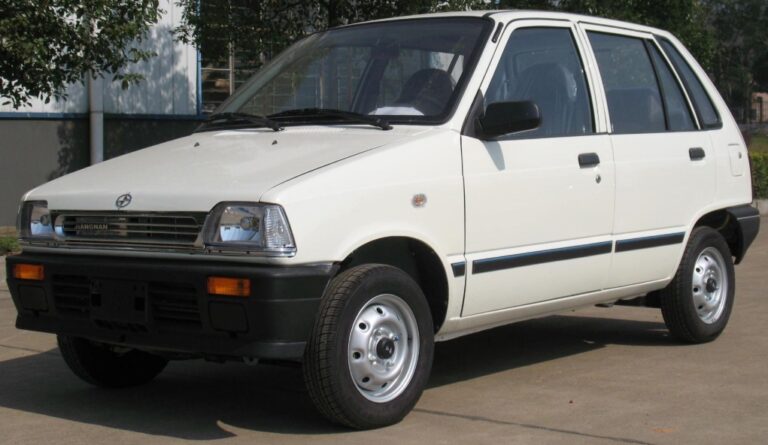
The Jiangnan Alto was a compact city car produced in China by Jiangnan Automobile, a manufacturer best known for building extremely low-cost vehicles aimed at first-time buyers and urban commuters. The model is most closely associated with licensed production of the second-generation Suzuki Alto, a Japanese kei car that became one of the most widely…
The Jiangnan TT was a compact city car produced by Jiangnan Automobile, a Chinese manufacturer best known for building extremely affordable vehicles aimed at first-time buyers and budget-conscious urban drivers. Introduced in the early 2000s and produced into the 2010s, the TT became widely recognized as one of the least expensive production cars ever sold…
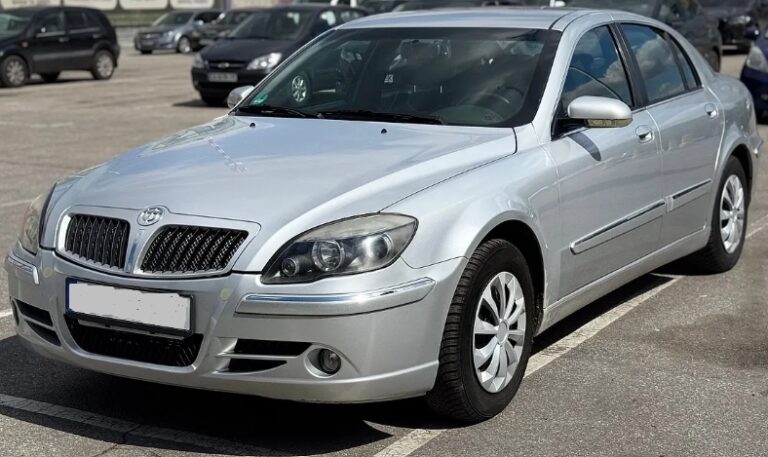
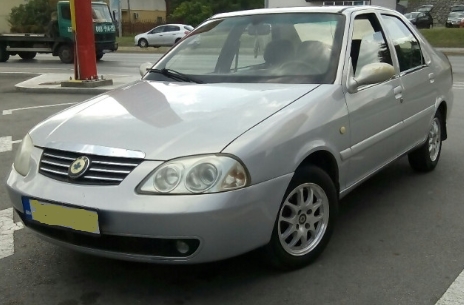
The Brilliance BS4 was one of the most important passenger cars produced by Brilliance Auto during the 2000s and early 2010s. Known in China as the Zhonghua Junjie and in some export markets as the Brilliance M2 or Brilliance Splendor, the BS4 was developed as a compact-to-mid-size sedan designed to bridge the gap between affordable…
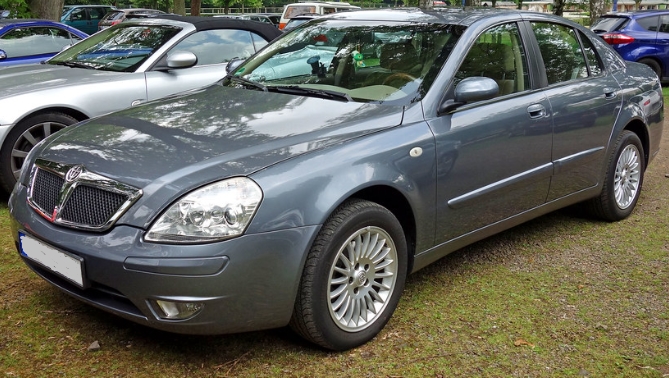
The Brilliance BS6 was one of the most ambitious vehicles ever produced by Brilliance Auto. Introduced at a time when Chinese automakers were beginning to challenge established global manufacturers, the BS6 was designed to compete in the mid-size and executive sedan segments. Featuring Italian styling, generous dimensions, multiple engine options, and aspirations for international success,…
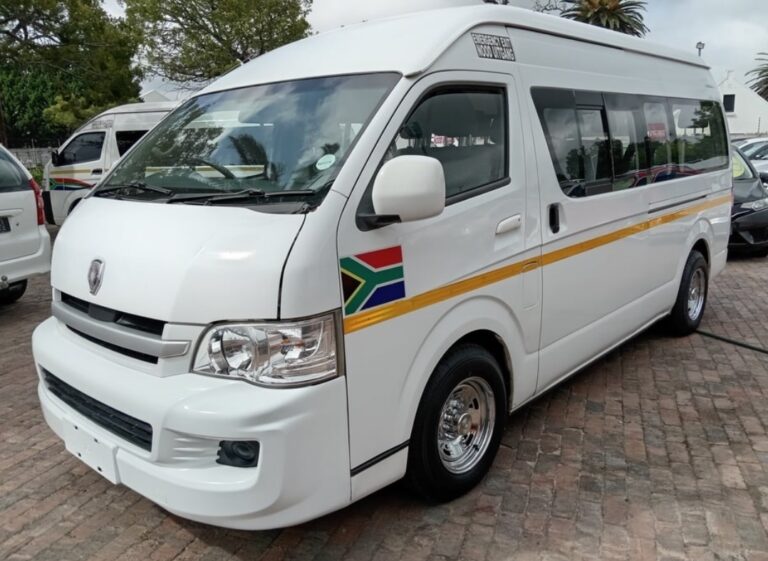
The Jinbei Haise is one of the most important commercial vehicles in the history of the Chinese automotive industry. Produced by Jinbei since 1991, the Haise has served as a passenger van, cargo van, minibus, ambulance, police vehicle, and commercial transporter. Over more than three decades of production, the model evolved through multiple generations and…
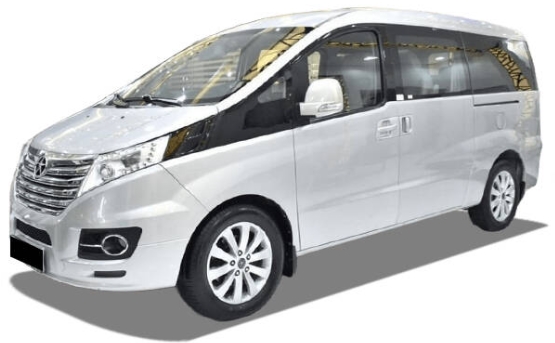
The JAC Refine M5 is one of the longest-running and most important vehicles produced by JAC Motors. As the model that effectively launched the Refine sub-brand, the M5 has played a significant role in the development of China’s multi-purpose vehicle (MPV) market. Over more than two decades, the vehicle evolved from a licensed derivative of…
The Citroรซn Grand C4 Picasso is one of the most recognizable compact multi-purpose vehicles (MPVs) produced by the French automaker Citroรซn. Designed to provide exceptional passenger space, versatility, and comfort, the Grand C4 Picasso became a popular choice among large families throughout Europe. Produced from 2006 until 2018 under the Grand C4 Picasso name before…
The Maple C51 was one of the lesser-known compact sedans produced during the rapid expansion of Chinaโs automotive industry in the 2000s. Manufactured by Shanghai Maple Automobile, a subsidiary associated with Geely Auto, the C51 represented a practical and inexpensive family sedan designed primarily for domestic Chinese buyers. Although it never achieved significant international recognition,…
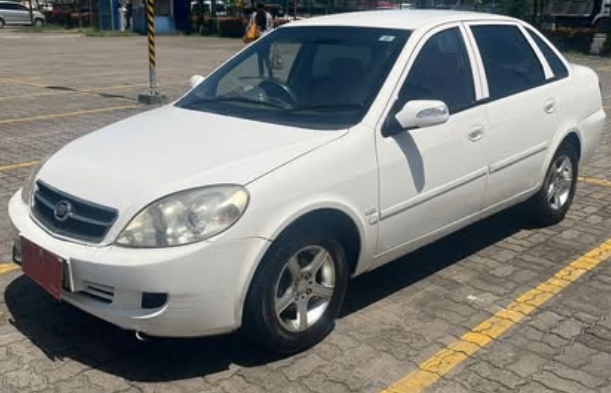
The Lifan 520 holds a special place in the history of Lifan Motors as the companyโs first mass-produced passenger car. Introduced in the mid-2000s, it marked Lifanโs transition from a motorcycle manufacturer into the automotive industry. Built as an affordable subcompact sedan and hatchback, the 520 became the foundation for nearly all of Lifanโs early…
The Chery QQ is one of the most influential and recognizable vehicle lineups in Chinaโs automotive history. First introduced in the early 2000s, the QQ series evolved from a simple gasoline-powered city car into a diverse family of compact vehiclesโincluding hatchbacks, sedans, and modern electric microcars like the QQ Ice Cream. Spanning more than two…
The Chery A5 represents a pivotal chapter in the rise of Chinaโs modern automotive industry. Introduced during a period when Chinese automakers were transitioning from licensed production to independent design, the A5 served as one of Cheryโs first globally exported compact sedans. Produced primarily between 2006 and 2010โwith extended life cycles in certain marketsโthe model…
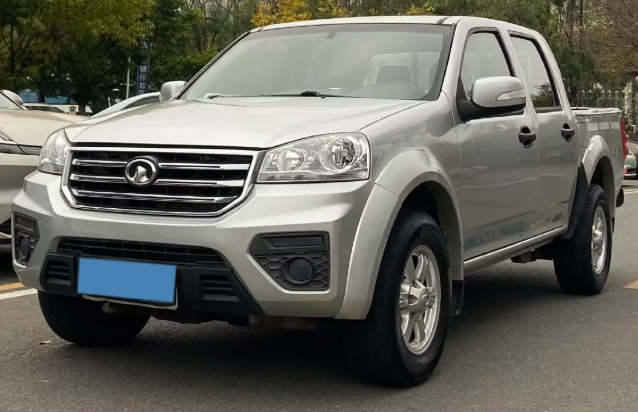
The GWM Wingle Series represents one of the most important chapters in the development of modern Chinese pickup trucks. Produced by Great Wall Motors (GWM), the Wingle lineup has evolved from a basic, utilitarian work truck into a globally exported family of durable pickups. Spanning nearly two decades, the Wingle seriesโincluding the Wingle 5, Wingle…
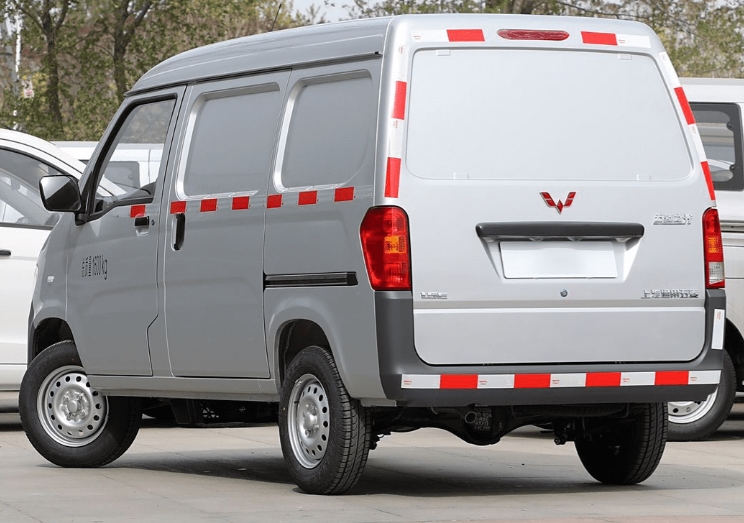
The Wuling Sunshine stands as one of the most significant vehicles in modern automotive historyโparticularly within Chinaโs rapidly expanding economy. Designed as an affordable, practical microvan for families, small businesses, and rural users, the Sunshine became a symbol of mobility and economic growth. From its introduction in 2002 to its continued evolution into newer generations,…
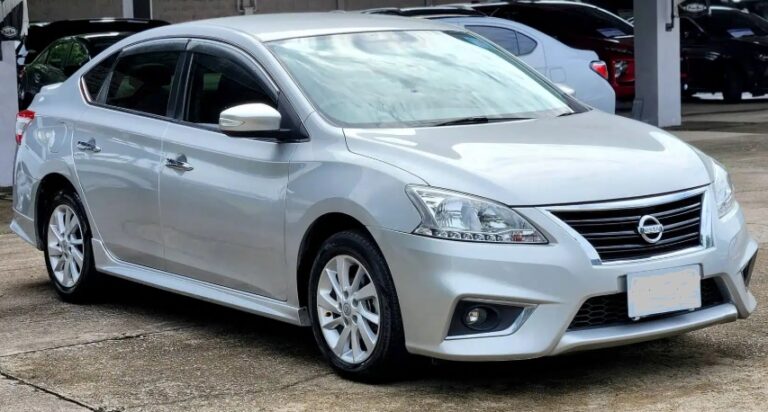
The Nissan Sylphy is one of Nissanโs most important global compact sedans, representing over two decades of continuous development. Introduced in 2000 as the successor to the Nissan Pulsar and Sunny, the Sylphy has evolved through multiple generations, transitioning from a Japan-focused sedan into a globally unified model closely aligned with the Nissan Sentra. Produced…
The Bestune B70 is one of the most significant models in the history of Chinaโs FAW Group. First introduced in 2006 as the inaugural vehicle of the Bestune (formerly Besturn) brand, the B70 has undergone multiple generational transformations, evolving from a Mazda-based sedan into a modern fastback with proprietary Chinese engineering. Spanning three major generations…
Scroll to top
Scroll to top