The Rover 200: Evolution of a British Compact
The Rover 200 stands as a key chapter in the history of British car manufacturing — a compact family car that evolved through three distinct generations and helped define the Rover brand throughout the 1980s and 1990s. Produced between 1984 and 1999, the Rover 200 nameplate was used on a wide range of body styles including saloons, hatchbacks, coupes and cabriolets, with numerous model designations, trim levels and engines throughout its life. Its evolution reflects both Rover’s collaboration with Japanese partner Honda and later its own engineering direction, as well as shifting market trends in the European small car segment.
Origins: A New Small Car for Rover (1984–1989)
The first-generation Rover 200 — internally known as SD3 or XH — was introduced in 1984, marking a move by Austin Rover Group to offer a more upmarket compact car. This model was developed under Rover’s ongoing collaboration with Honda, sharing its platform with the Honda Ballade and featuring Japanese engineering married to British styling touches.
Unlike many small cars of the time, the SD3 Rover 200 was offered exclusively as a four-door saloon, with bodywork distinct from its Maestro and Montego siblings. At launch the Rover 200 was available with a 1.3-litre Honda-derived petrol engine, badged the Rover 213, with a choice of standard, S, SE and Vanden Plas trim levels. Higher-end versions added equipment and interior refinement aimed at a more discerning buyer.
Later, in 1985, Rover added a 1.6-litre option — either carburetor or fuel-injected — which broadened the appeal and enabled the introduction of a sportier Vitesse variant. Trim levels then expanded to include sportier and more luxurious choices, while automatic transmissions were offered on some 216 models.
Throughout its production life to 1989, the first-generation 200 established Rover’s presence in a market dominated by rival saloons such as the Ford Orion and Vauxhall Belmont. It was praised for its refinement and build quality, even as its ride and handling drew mixed reviews.
.

.
Second Generation: R8 (1989–1995) — Hatchbacks and More
By 1989, Rover recognized that the market was moving toward more versatile body styles. The second-generation 200, internally known as R8 (also marketed alongside the 400 saloon), brought a comprehensive redesign. For the first time, the 200 appeared primarily as a hatchback, available in both three- and five-door configurations.
This R8 model shared a close platform relationship with the Honda Concerto but carried Rover-specific bodies and mechanical evolutions. It also marked one of the earliest uses of Rover’s new K-Series engines, starting with 1.4-litre 16-valve petrol units. Larger 1.6-litre petrol engines (including Honda units) and 2.0-litre Rover engines were available, alongside diesel options sourced from PSA Peugeot-Citroën (1.8 TD and 1.9 D).
The second-generation Rover 200 lineup became notably varied, including:
- 3-door and 5-door hatchbacks — core variants with petrol and diesel options.
- Coupé (1992–1998) — a two-door sportier model that sat at the top of the range and at its launch in 1992 produced the most powerful Rover ever built in its 220 Turbo form.
- Cabriolet (convertible) — offered open-top style and appeal.
These body styles expanded the 200’s appeal significantly beyond the original saloon. Trim levels on the R8 varied widely over the years and markets, often identified with engine displacements and equipment such as 214, 216 and 220 prefixes, with suffixes like Si, SLi, GSi, GTi and Turbo indicating higher equipment or performance.
Facelifts in the early 1990s refreshed styling — including body-colored bumpers and revised grilles — helping keep the model competitive. Special editions and equipment packages also appeared throughout the life of the R8, with various combinations of trim, engine and accessories reflecting market demand.
Third Generation (R3): Rover Takes Control (1995–1999)
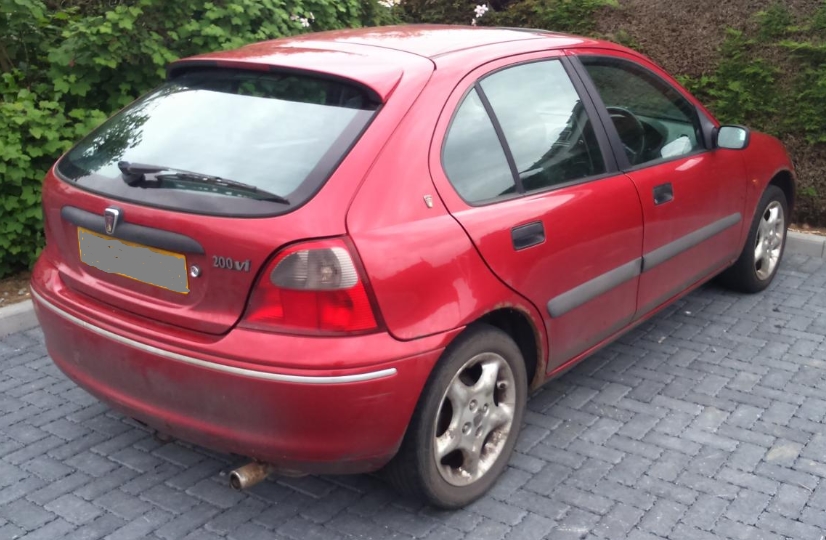
In 1995, Rover introduced a significantly revised third generation of the 200 — internally called R3 or RF — reflecting both a shift in design philosophy and corporate change following BMW’s ownership of Rover. Whereas the R8 shared its roots with Honda, the R3 was largely a Rover-designed vehicle with a fresh body and platform tweaks aimed at modern compact car buyers.
The R3’s body styles included three- and five-door hatchbacks, and the range of engines centered on Rover’s own K-Series engines, with capacities from 1.1 L up to 1.8 L. The initial lineup featured:
- 211i — entry-level 1.1 L petrol.
- 214i / 214Si 16v — 1.4 L petrol.
- 216Si 16v — 1.6 L petrol.
- 200 Vi — sportier 1.8 L variant with higher output.
This generation was notable for applying Rover’s engineering to the compact segment with greater emphasis on refinement, comfort and safety, as well as attempts to deliver respectable efficiency. In 1997, Rover added a 220 SDi turbodiesel to the range, providing diesel buyers with a more modern diesel option.
Throughout its production, the R3 received running updates to trims and engine options, and in its later years special equipment levels like SE, iE, iL and iS were introduced during the mid-1990s run-out to refresh interest.
Trim Levels, Special Models and Variants
Over its 15-year lifespan, the Rover 200 nameplate included a wide array of trim levels, reflecting changes in market strategy and competition:
- SD3 (1984–1989) — basic, S, SE, Vanden Plas and sportier Vitesse trims with differing engines and equipment.
- R8 (1989–1995) — broad range from economy hatchbacks to performance-oriented GSi and even GTi/Turbo variants, plus unusual body styles such as the Coupé and Cabriolet.
- R3 (1995–1999) — five trim levels evolving through the model life, including sporty Vi and higher-spec versions with diesel power.
Throughout, Rover sought to balance practicality with value and brand character, often adding features such as alloy wheels, upgraded interiors and improved safety equipment as technology progressed.
Market Position & Legacy
The Rover 200 played an important role in British car markets. The first-generation SD3 helped set the stage for Rover’s move into compact cars and represented one of the first successful products from its collaboration with Honda. The second-generation R8 was a strong seller in the early 1990s — at one point earning What Car? magazine’s Car of the Year award for its balance of quality, refinement and driving appeal.
The third-generation R3 further solidified Rover’s presence in a competitive segment that included rivals such as the Ford Fiesta, Vauxhall Astra and Volkswagen Golf. Performance enthusiasts remember variants like the 200 Vi for offering spirited driving, while diesel versions extended appeal to economy-focused buyers.
As of the 2020s, surviving Rover 200 models are increasingly rare on UK roads, with only a small fraction still licensed — a reflection of age, rust susceptibility and the intense scrapping of older cars. Many enthusiasts now view well-preserved examples as modern classics, especially well-equipped or rarer body styles like Coupés and Convertibles.
Replacement & Future Outlook
In 1999, Rover discontinued the 200 name as part of a rebranding and update exercise. The model was succeeded by the Rover 25, which updated the platform and styling while keeping the core hatchback ethos alive until 2005. The 25 and later derivative models such as the MG ZR and Streetwise extended the lineage into the 2000s, before the collapse of the MG Rover Group.
Today, the Rover 200 serves as a nostalgic reminder of a unique era in British automotive history — a period of collaboration, bold design choices and passionate motoring culture. While none of the original cars are produced anymore, the Rover 200’s evolution continues to captivate enthusiasts who see it as a symbol of national industry at a crossroads between tradition and globalization.