The Unassuming Workhorse: A Deep Dive into the Toyota TownAce
In the vast and often boisterous world of automotive history, some vehicles carve out their niche not with exotic flair or groundbreaking innovation, but with steadfast reliability, unwavering utility, and an almost unassuming presence. The Toyota TownAce, a commercial vehicle born from Toyota’s dedication to practicality, is a prime example of such an enduring icon. For decades, it has served as the backbone for countless small businesses, a dependable transporter of goods and people, and a testament to the enduring appeal of straightforward functionality. This article will embark on a comprehensive journey through the history, evolution, models, trim levels, and future outlook of this remarkable Japanese workhorse.
A Foundation in Utility: The Genesis of the TownAce
The story of the TownAce begins in the late 1970s, a period when the demand for versatile light commercial vehicles was steadily increasing. Toyota, already a titan in the passenger car market, recognized the need for a robust and dependable vehicle that could cater to a range of commercial needs. Building upon the success of its earlier K200 series light trucks and vans, the first generation TownAce, designated the R10/R20 series, was launched in 1976.
These initial models were characterized by their boxy, no-nonsense design, prioritizing interior space and cargo capacity above all else. They were available in both van and truck body styles, offering a flexible platform for various applications. The emphasis was on durability, fuel efficiency for its time, and ease of maintenance – key ingredients for a vehicle destined for hard work. Under the hood, early TownAce vans were typically powered by a range of four-cylinder gasoline engines, offering a balance of performance and economy.
.
NO MORE dead batteries with this:

.
Evolution Through Generations: Adapting to Demand
Over its extensive production run, the Toyota TownAce has seen several distinct generations, each building upon the strengths of its predecessor while adapting to evolving market demands and technological advancements.
First Generation (R10/R20 Series): 1976-1985
- Models:
- Van: Primarily designed for cargo, but often utilized for passenger transport with basic seating configurations.
- Truck: A traditional pickup truck bed, offering open-air cargo hauling capabilities.
- Trim Levels: While specific trim level names were less prominent than in passenger cars, variations often revolved around engine size, payload capacity, and basic interior appointments. Common designations might have included “Standard” or “Deluxe” for slightly more refined interiors, but the focus remained firmly on utility.
- Key Features: Rear-wheel drive, robust suspension for load-carrying, and simple, durable mechanicals.
Second Generation (R30 Series): 1985-1996
The R30 generation marked a significant step forward for the TownAce. It adopted a more modern, rounded design, and crucially, introduced the “Master Ace” variant in some markets, which often featured slightly more refined interiors and a focus on broader utility, including potential passenger wagon configurations. This generation also saw the introduction of all-wheel drive (4WD) options, greatly expanding the TownAce’s applicability in diverse terrains and weather conditions.
- Models:
- Van: Continued to be the primary configuration, with improved interior ergonomics and features.
- Truck: Remained a core offering.
- “Surf” (or similar wagon/SUV-like variants): In some markets, particularly Japan, the TownAce lineage branched out into more lifestyle-oriented vehicles. The TownAce Surf (later evolving into the 4Runner in some global markets) became a popular SUV, leveraging the durable chassis and available 4WD of the TownAce van. These models often featured more comfortable seating, improved trim, and even optional features like power windows and air conditioning.
- Trim Levels: Trim levels started to become more defined:
- Standard/DX (Deluxe): Basic utilitarian trims focused on cargo.
- GL (Grand Luxury): Offered slightly more comfortable seating, improved interior materials, and potentially more features like a better audio system.
- Super Extra/Super Custom: Top-tier trims, especially on passenger-oriented variants, featuring amenities like captain’s chairs, air conditioning, and enhanced upholstery.
- Engine Options: Introduction of larger displacement gasoline engines and more efficient diesel options became available, catering to different operational needs.
Third Generation (R40/R50 Series): 1996-2004
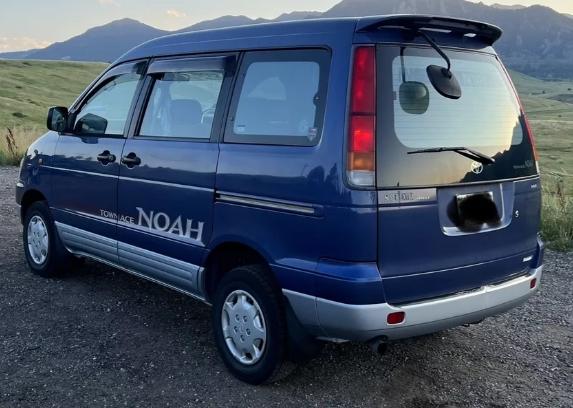
This generation saw the TownAce further refine its design and functionality. The van body gained a more aerodynamic shape, and the focus remained on maximizing interior volume. The platform was also shared with its sister model, the LiteAce, leading to many similar features and components. This era also saw the decline of dedicated truck variants in some markets as the van configuration became increasingly dominant.
- Models:
- Van: The primary model, offered in various lengths and roof heights to suit different cargo needs.
- “LiteAce Noah” / “TownAce Noah” (MPV/Minivan): Toyota launched these more passenger-focused minivan variants, blurring the lines with dedicated people carriers. They featured sliding rear doors, more comfortable seating arrangements, and an emphasis on family use.
- Trim Levels: Trim levels became more standardized, reflecting typical Toyota offerings.
- Cargo Van (Standard/DX): Basic configurations for commercial use.
- Passenger Van (GL/LX/Super GL): Increasingly comfortable variants with improved seating, climate control, and more creature comforts. The “Super GL” was often the range-topping model with premium finishes and features.
- Key Advancements: Improved safety features, more refined suspension systems, and a wider range of engine options including more powerful petrol and diesel units.
Fourth Generation (R60/R70 Series): 2004-Present (with significant updates)
The current generation of the Toyota TownAce represents a significant evolution, particularly in its international markets. While an all-new platform was introduced in 2004, it has undergone several substantial updates and facelifts throughout its production. This generation is largely defined by its split identity: in Japan, it continues as a capable van and truck, while in other regions, particularly Southeast Asia and in the form of rebadged models, it has found new life and significant success.
- Models (Japan Domestic Market – JDM):
- Van: Continues its legacy as a versatile cargo van, often with a focus on compact dimensions for urban maneuverability.
- Truck: Still offered, providing a practical utility vehicle for various trades.
- Models (International Markets – Rebadged/Derivatives): The TownAce platform has been the basis for several successful rebadged vehicles and derivatives in global markets, sometimes using the “TownAce” name itself or variations thereof.
- Daihatsu Gran Max: In Indonesia and other Southeast Asian markets, the TownAce platform forms the basis for the Daihatsu Gran Max. This has been incredibly successful and is offered in van and pickup truck configurations, often with specific adaptations for local conditions and preferences.
- Toyota LiteAce (continued in some markets): In some regions, the “LiteAce” name has persisted for vehicles based on the TownAce platform.
- Toyota Voxy/Noah (MPV Evolution): While not direct TownAce descendants, the passenger minivan segment that the TownAce Noah pioneered has evolved into the highly successful Toyota Voxy and Noah, which share some underlying engineering principles.
- Trim Levels (JDM & International):
- Commercial (Van/Truck): Basic trims emphasizing durability and function.
- Passenger/MPV Variants: As with previous generations, higher trims focus on comfort, with features like air conditioning, power steering, power windows, upgraded audio systems, and more versatile seating. The “Super Extra” and “Super GL” designations often appear on the more upscale passenger variants.
- Key Features & Updates: The R60/R70 series has benefited from ongoing updates, including improved safety systems (ABS, airbags), more fuel-efficient engines (including hybrid options in some markets), and updated interior designs. In many international markets, its ruggedness and cost-effectiveness have made it a dominant force.
The TownAce Philosophy: Simplicity, Durability, and Versatility
What makes the Toyota TownAce such an enduring vehicle? Its success can be attributed to a core philosophy that prioritizes:
- Simplicity: The TownAce is not designed to be a technological marvel. Its mechanicals are straightforward, making them easy to understand, repair, and maintain. This is crucial for commercial operators who rely on minimal downtime.
- Durability: Built with robust materials and designed for heavy use, the TownAce can withstand the rigors of daily commercial operation. Its construction is a testament to Toyota’s reputation for building vehicles that last.
- Versatility: From carrying tools and equipment to transporting small groups of people, the TownAce adapts to a wide array of needs. The availability of different body styles and configurations ensures it can be tailored to specific tasks.
- Cost-Effectiveness: Both in terms of purchase price and running costs (fuel efficiency, maintenance), the TownAce offers excellent value for money, making it an attractive proposition for businesses operating on tight budgets.
Beyond the Basics: Unique Aspects and Global Reach
The TownAce’s story isn’t just about utility; it’s also about its remarkable adaptability and global appeal.
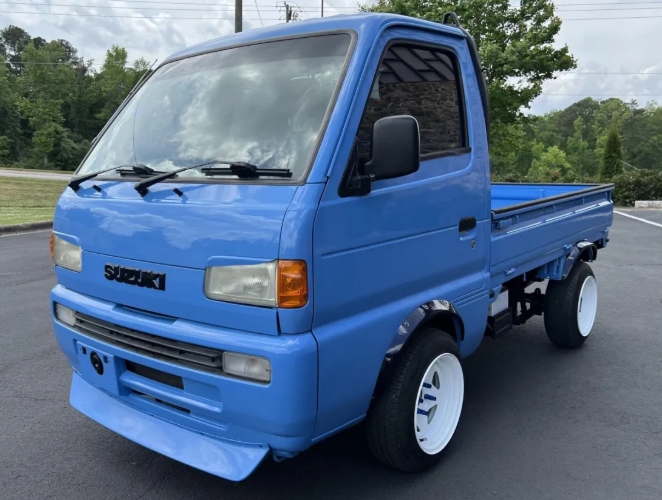
- The “Kei Truck” Influence (indirectly): While not a Kei truck itself, the TownAce’s popularity in Japan alongside the robust Kei truck market highlights the strong demand for compact, functional commercial vehicles in crowded urban environments.
- The “Surf” Legacy: The evolution into the TownAce Surf and its subsequent influence on the 4Runner demonstrates Toyota’s ability to leverage a commercial platform for lifestyle applications, expanding the reach and appeal of its core engineering.
- Global Dominance in Rebadged Form: The success of the Daihatsu Gran Max (based on the TownAce platform) in Southeast Asia is a prime example of how this versatile chassis has become a cornerstone of local economies. These vehicles are indispensable for small businesses, market vendors, and transportation services.
The Future Outlook: Evolution and Enduring Relevance
The Toyota TownAce, in its various forms, shows no signs of disappearing. While the passenger minivan segment has seen the rise of more sophisticated and car-like MPVs (like the Voxy and Noah), the TownAce continues to thrive in its core competencies: commercial van and truck applications.
- Continued Refinement: Expect further updates to engine technology, focusing on fuel efficiency and emissions compliance. Hybrid powertrains, already present in some Toyota commercial vehicles, could become more prominent in future TownAce iterations for improved running costs.
- Safety Enhancements: As global safety standards evolve, the TownAce will undoubtedly incorporate more advanced driver-assistance systems and passive safety features.
- Global Diversification: The platform will likely continue to serve as the foundation for various rebadged and derivative models in different markets, tailored to local needs and preferences. The success of the Gran Max is a strong indicator of this ongoing strategy.
- Focus on Core Strengths: Toyota is unlikely to steer the TownAce away from its utilitarian roots. Its strength lies in its unpretentious practicality, and this core identity will remain.
Conclusion: A Quietly Remarkable Legacy
The Toyota TownAce may never grace the covers of high-performance magazines or be the subject of passionate automotive debates among enthusiasts. Yet, its impact on the world of commerce and transportation is undeniable. It is a vehicle that embodies Toyota’s commitment to building reliable, practical, and affordable vehicles that serve a vital purpose. From the bustling streets of Tokyo to the remote villages of Southeast Asia, the TownAce, in its many iterations, has been a silent partner to countless individuals and businesses, quietly getting the job done, day in and day out. Its legacy is not one of flash or fanfare, but one of steadfast service, an unassuming workhorse that has earned its place as a true automotive stalwart.