The Unsung Hero of Urban Mobility: A Deep Dive into the Toyota Vitz
For decades, the Toyota Vitz has been a discreet yet ubiquitous presence on roads worldwide, particularly in urban environments. Often overshadowed by its more flamboyant siblings like the Corolla or Camry, the Vitz, also known as the Yaris in many international markets, has carved out a significant niche as a practical, reliable, and surprisingly engaging compact car. This article will delve into the history, evolution, models, trim levels, and future outlook of this unsung hero of urban mobility.
A Humble Beginning: The Birth of the Vitz (First Generation: 1999-2005)
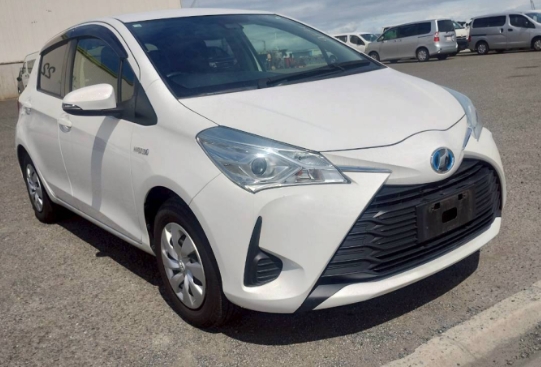
The story of the Vitz begins in 1999, with the launch of its first generation in Japan. Toyota’s goal was to create a compact car that was not only fuel-efficient and affordable but also possessed a youthful and modern appeal, a stark contrast to some of the more mundane compact offerings of the era. The name “Vitz” itself, derived from the German “witzig” meaning witty or clever, hinted at the car’s intended personality. In other markets, this car was launched as the Toyota Echo in North America and the Toyota Yaris in Europe and Australia.
The first-generation Vitz was a revelation in its segment. Its distinctive, almost egg-shaped silhouette, with its centrally located digital instrument cluster and minimalist interior, set it apart. It was available in a range of body styles, primarily the 3-door hatchback and the 5-door hatchback.
Key features and characteristics of the first generation included:
- Engine Options: Primarily offered with small, economical gasoline engines. In Japan, common options included the 1.0-liter 1SZ-FE (around 70 hp) and the 1.3-liter 2NZ-FE (around 87 hp). Higher-performance variants, like the RS, featured a 1.5-liter engine.
- Transmission: A variety of transmissions were available, including 5-speed manual and 4-speed automatic transmissions. A continuously variable transmission (CVT) was also introduced later in the generation, further enhancing fuel efficiency.
- Trim Levels (Japan): While specific trim levels varied, common designations included:
- B: The base model, prioritizing affordability and essential features.
- U: A mid-range trim offering a bit more comfort and convenience.
- X: Often a slightly better-equipped version of the U.
- RS: The sportier variant, featuring distinctive exterior styling, upgraded suspension, and often a more powerful engine.
- Innovation: The centrally mounted digital instrument cluster was a polarizing but defining feature, aiming for a modern and uncluttered dashboard. The compact dimensions and tight turning radius made it exceptionally adept at navigating congested city streets.
The first-generation Vitz was a commercial success, lauded for its fuel economy, reliability, and character. It successfully translated Toyota’s renowned quality into a subcompact package, making it an attractive option for budget-conscious buyers and first-time car owners.
.
NO MORE dead batteries with this:

.
Refinement and Expansion: The Second Generation (2005-2010)
Building on the success of its predecessor, the second-generation Vitz, launched in 2005, aimed to refine the formula while expanding its appeal. The exterior design became more conventional and aerodynamic, losing some of the quirky charm of the first generation but gaining broader acceptance. The interior was also redesigned, offering improved ergonomics and a more traditional instrument cluster placement (behind the steering wheel).
The second generation offered more engine choices and improved technology:
- Engine Options: The 1.0-liter and 1.3-liter engines continued, often with further refinements for better efficiency. A 1.5-liter engine became more widely available, and in some markets, a 1.4-liter diesel engine was offered.
- Transmission: Manual and automatic transmissions remained, with CVT technology becoming more prevalent and sophisticated.
- Trim Levels (Japan): Similar to the first generation, trim levels focused on different levels of equipment and sportiness. Common examples included:
- F: The entry-level model.
- X: A step up from the F, offering more standard features.
- G: A more upscale trim with enhanced comfort and convenience amenities.
- RS: The performance-oriented variant, boasting sportier aesthetics and often a more potent engine.
- Hybrid Variant: A significant development for the second generation was the introduction of the Vitz Hybrid (or Yaris Hybrid in some markets). This marked Toyota’s commitment to electrified powertrains in its smaller vehicles, offering exceptional fuel economy.
The second-generation Vitz continued to be a strong contender in the global compact car market, solidifying its reputation for reliability and efficiency. It broadened its appeal by offering more features and a more mature design.
Globalization and Diversification: The Third Generation (2010-2019)
The third generation, introduced in 2010, saw the Vitz and Yaris names become more standardized across global markets. Toyota aimed for a more sophisticated and dynamic design, both inside and out. The interior quality saw a noticeable improvement, with better materials and a more premium feel. This generation also placed a greater emphasis on safety features.
Key aspects of the third generation:
- Engine Options: A range of petrol engines, typically 1.0L, 1.3L, and 1.5L, continued to be offered, focusing on fuel efficiency and reduced emissions.
- Transmission: A wider adoption of CVTs became standard across many models, alongside manual transmissions.
- Trim Levels (Japan): Trim levels evolved to reflect customer preferences for advanced technology and comfort. Examples include:
- Jewel: Often a more stylish and well-appointed trim.
- U: Indicating a higher level of equipment.
- RS: Retaining its sporty identity with exterior and interior enhancements, and often a 1.5-liter engine.
- Hybrid: The hybrid powertrain continued to be a popular and fuel-efficient choice.
- Safety: This generation introduced a wider array of active and passive safety systems, including multiple airbags, ABS, electronic stability control (ESC), and in higher trims, advanced driver-assistance systems (ADAS) like pre-collision systems.
- Global Recognition: The Yaris name became increasingly dominant, further cementing its global presence.
The third generation was a significant step forward, offering a more refined driving experience, enhanced safety, and a more contemporary design. It continued to be a popular choice for city dwellers and economy-minded buyers.
The Latest Iteration: The Fourth Generation (2020-Present)
The most recent, fourth generation of the Vitz/Yaris, launched in 2020, represents a significant departure from its predecessors in terms of design and engineering. Built on Toyota’s TNGA-B platform, it boasts a more aggressive and sporty exterior, a significantly improved interior, and a stronger emphasis on driving dynamics and safety. The global appeal of the Yaris name is now paramount, with the Vitz name primarily used in Japan.
Notable features of the fourth generation:
- Engine Options: The range of engines has been refined for better performance and efficiency. In many markets, the focus is on smaller, turbocharged engines and increasingly, hybrid powertrains. For example, in Europe, a 1.5-liter hybrid system is a prominent offering. Smaller petrol engines are also available in various markets.
- Transmission: CVTs are standard on most models, offering smooth and efficient power delivery. Manual transmissions are often still available on base models or in specific markets.
- Trim Levels (Japan): The Japanese Vitz lineup has seen a renaming and restructuring. While “Vitz” was retired in Japan in 2020, its spirit lives on in the Toyota Yaris sold there. The Japanese Yaris offers trims like:
- X: The entry-level model.
- G: A mid-range trim with more features.
- Z: The range-topping trim, offering the most premium features and often sporty styling cues.
- GR Yaris: While not a direct Vitz successor, the high-performance GR Yaris is a homologation special based on the Yaris platform, showcasing the brand’s commitment to performance within the compact segment.
- Advanced Technology: The fourth generation is packed with cutting-edge technology, including larger infotainment screens, smartphone integration (Apple CarPlay and Android Auto), and a comprehensive suite of Toyota Safety Sense ADAS features as standard on many models.
- Driving Dynamics: The TNGA-B platform provides a lower center of gravity and improved chassis rigidity, resulting in a more engaging and confident driving experience.
The fourth-generation Yaris/Vitz is a testament to Toyota’s evolution. It has moved beyond being just a practical commuter car to a genuinely desirable and capable compact vehicle that offers a compelling blend of efficiency, technology, and driving pleasure.
Future Outlook: A Continued Commitment to the Compact Segment
The future of the Toyota Vitz, now largely known as the Yaris globally, appears secure. As urban environments continue to grow and fuel prices remain a concern, the demand for efficient, compact, and technologically advanced vehicles is unlikely to diminish. Toyota’s strong commitment to hybrid powertrains suggests that electrified versions of the Yaris will continue to be a core offering, further enhancing their appeal to environmentally conscious consumers.
The success of the GR Yaris also indicates a potential for Toyota to inject more performance-oriented variants into its compact lineup, catering to a broader range of driving enthusiasts. The ongoing development of driver-assistance technologies will undoubtedly continue to make the Yaris one of the safest vehicles in its class.
Beyond the Vitz/Yaris: Relevant Information
- Global Naming Conventions: It’s crucial to acknowledge the different names used for this vehicle across various markets. While “Vitz” is the original Japanese name, “Yaris” is the most prevalent globally, and “Echo” was used in North America for the first generation.
- Reliability and Durability: Toyota’s reputation for building reliable and durable vehicles is strongly reflected in the Vitz/Yaris. These cars are known for their longevity and low cost of ownership, making them attractive for long-term use.
- Modifications and Aftermarket: The Vitz/Yaris has a thriving aftermarket scene, particularly in Japan and other enthusiast markets. From styling upgrades to performance enhancements, owners often personalize their vehicles.
- Impact on the Compact Car Segment: The Vitz/Yaris has played a significant role in shaping the affordable compact car segment. It has consistently pushed the boundaries of fuel efficiency, reliability, and feature content in its class.
Conclusion
The Toyota Vitz, in its various iterations and global nomenclature, has quietly become a cornerstone of urban mobility. From its quirky beginnings to its sophisticated current form, it has consistently delivered on its promise of practicality, reliability, and affordability. As the automotive landscape continues to evolve, the legacy of the Vitz, in the form of the modern Toyota Yaris, is poised to endure, offering a compelling and increasingly engaging option for drivers navigating the challenges and joys of everyday life. It’s a testament to Toyota’s engineering prowess and its understanding of what consumers truly need in a compact, everyday car – a vehicle that is clever, reliable, and remarkably capable, a true unsung hero.