The Workhorse: The Global Ascent of the Isuzu D-Max
In the fiercely competitive world of pickup trucks, where giants like the Ford Ranger, Toyota Hilux, and Chevrolet Colorado battle for market dominance, there exists a quiet contender known for an almost mythical reputation for toughness. This is the Isuzu D-Max. More than just a vehicle, the D-Max is a testament to a philosophy of engineering focused on durability, reliability, and unparalleled capability. Its evolution from a regional utility vehicle into a global powerhouse is a fascinating story of strategic partnerships, relentless refinement, and a steadfast commitment to its core identity as the ultimate dependable workhorse.
The Genesis: A Strategic Alliance and a Fresh Start (2002)
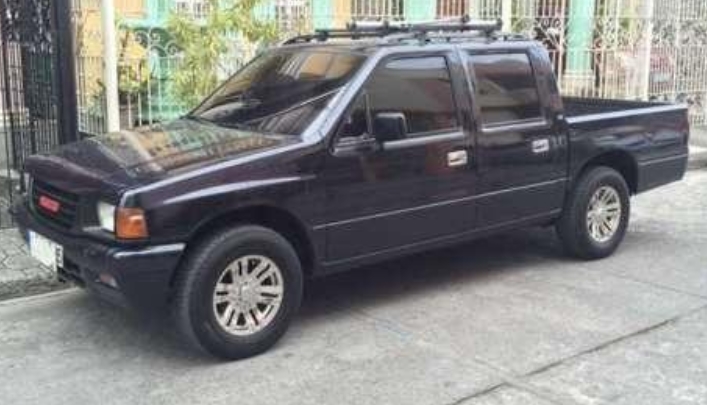
To understand the D-Max, one must first look at the context of its birth. For decades, Isuzu had been a titan in the world of diesel engines and commercial vehicles, but by the late 1990s, it needed a fresh, modern pickup to replace its aging and increasingly dated ISUZU Rodeo Pickup. Rather than developing a new platform entirely in-house, Isuzu forged a landmark strategic alliance with General Motors (GM).
This partnership resulted in the first-generation “Isuzu D-Max,” launched in 2002 in Thailand. It was a vehicle engineered by Isuzu but built on GM’s “Theta” mid-size truck platform, the same underpinnings that would later spawn the Chevrolet Colorado. This allowed for shared development costs and access to modern chassis technology.
First Generation (2002-2008)
The initial D-Max was a clean-sheet design that immediately set itself apart. It featured a modern, aerodynamic body, a spacious interior, and crucially, a new engine that would become legendary: the 4JJ1.
- Models and Body Styles: Single Cab, Space Cab (extended cab with rear-hinged second doors), and Double Cab (fully enclosed four-door).
- Trim Levels (varied by market, common examples):
- LSE: The base, no-frills workhorse.
- S: A mid-level trim with basic comfort features.
- LS: The top-of-the-line luxury trim, often featuring alloy wheels, power windows, and air conditioning.
- VGS: A special trim featuring Variable Geometry System turbochargers for enhanced performance.
The heart of this generation was the 3.0L 4JJ1 common-rail direct-injection diesel engine. Initially producing around 146 hp and 222 lb-ft of torque, its reputation for incredible longevity and a “million-mile” potential was forged here. Mated to either a 5-speed manual or a 4-speed automatic transmission, with optional part-time 4×4, the first D-Max was instantly recognized for its robust mechanicals.
This generation also introduced the Isuzu D-Max V-Cross, a factory-built, ruggedized version with a more aggressive appearance, snorkel, and off-road-oriented accessories, previewing the truck’s appeal to lifestyle buyers.
.
THIS might be a great place to get your new car from!
Or for those who are into the “car flipping” business, here’s an excellent resource for you!

.
Refinement and Global Reach (2008-2012)
In 2008, Isuzu introduced a significant facelift for the first generation. This wasn’t a new truck, but a thorough refresh that modernized its appearance and improved its internals.
- Exterior Changes: A new, bolder front grille, redesigned headlights, and a more pronounced power dome on the bonnet gave the D-Max a more assertive stance.
- Interior and Mechanical Upgrades: The interior saw improved materials and ergonomics. The 4JJ1 engine was upgraded to meet Euro IV emissions, with power output receiving a slight bump in some markets.
- New Trim Levels: This era saw the introduction of more specialized trims. The Isuzu D-Max Arctic Trucks AT35 collaboration became famous, a factory-backed model with a 35-inch tire conversion, lifted suspension, and flared arches, cementing the D-Max’s image as a highly capable off-roader.
This facelifted model was crucial for expanding Isuzu’s footprint. While its presence in North America was brief (as the re-badged Chevrolet Avalanche in the early 2000s), this period saw the D-Max solidify its position in key markets like the UK, Australia, South Africa, and across Southeast Asia.
The Game Changer: The All-New Second Generation (2012-2019)
The year 2012 marked a pivotal moment. Isuzu launched the completely redesigned second-generation D-Max. While still developed in partnership with GM, this was a far more integrated and Isuzu-centric vehicle. It shared its platform with the new Chevrolet Colorado, but the bodywork, interior, and engine tuning were distinctly Isuzu.
- Design and Technology: The new D-Max featured a much more modern, car-like interior with significantly improved comfort, sound deadening, and technology. Externally, it was larger, more angular, and projected a more premium image.
- Engine Evolution: The 4JJ1 evolved further, but the headline was the introduction of the 1.9L Turbo Diesel (4JJ1-TC) engine in 2017. This smaller, cleaner, and quieter engine was designed to offer similar torque to the 3.0L but with better fuel economy and lower emissions, appealing to markets with stringent regulations.
- Safety: This generation introduced crucial safety features like ABS, EBD, and eventually, a full suite of airbags and stability control.
Second Generation Trim Levels (approx. 2012-2019):
The trim level strategy became more sophisticated to target different buyers.
- Single Cab: Remained the core fleet and tradesperson choice.
- Space Cab: Offered more interior flexibility.
- Double Cab: The most popular variant, offered in:
- EX: The new base model, focused on commercial use.
- SX: A popular mid-spec, often with basic comfort features and steel wheels.
- LS-M: A mid-level trim, often with alloy wheels, touchscreen infotainment, and carpet flooring.
- LS-U: The premium “utility” trim, adding more luxury and convenience features.
- LS-T (or X-Terrain/ V-Cross): The flagship lifestyle trim. This is the D-Max with all the bells and whistles: leather seats, advanced safety features (like forward collision warning and lane departure assist), large alloy wheels, and aggressive body kits.
This generation was a massive success. It proved Isuzu could build a comfortable, modern, and technologically advanced pickup without compromising the brute strength it was known for. The D-Max began winning awards for towing and reliability, further enhancing its credentials.
The Modern Era: Bold Design and Unbeatable Capability (2020-Present)
Launched in 2020, the third-generation D-Max is the current iteration. It represents the most significant leap yet, underpinned by a brand-new platform that is stronger, wider, and more robust than ever before.
- Design: The new D-Max features a striking, aggressive design language with a formidable “floating grille” and C-shaped LED headlights. It looks tough and modern, making a bold statement in the styling-focused pickup market.
- Engine: The engine lineup was refined to a 1.9L and 3.0L combination.
- The 1.9L remains the fuel-efficient, low-emissions option.
- The legendary 3.0L 4JJ3 engine was updated with new turbocharging, injectors, and a higher-pressure fuel system, now producing up to 190 hp and 350 lb-ft of torque in some markets, delivering a massive torque surge low in the rev range for superior towing and off-road work.
- Chassis and Safety: The new platform allows for a fully independent front suspension, improving on-road handling and ride comfort. For the first time, Isuzu introduced a comprehensive suite of advanced driver-assistance systems (ADAS) branded as Isuzu Assist, including adaptive cruise control, autonomous emergency braking, and blind-spot monitoring. This brought the D-Max on par with its most modern competitors.
Third Generation Trim Levels (2020-Present):
The trim hierarchy has been streamlined and modernized across most global markets.
- Single Cab/Space Cab: Still serving the commercial market.
- Double Cab:
- S: The new entry-level workhorse.
- LS-M: A solid mid-spec for those wanting capability with a few comforts.
- LS-U: The quintessential all-rounder, balancing work and play perfectly. Often includes the safety suite.
- LS-T (X-Terrain/ V-Cross): The undisputed flagship. It combines the ADAS safety technology with premium leather, heated seats, a power driver’s seat, a large infotainment screen, and the most aggressive styling.
This latest model is the D-Max at its most formidable: a truck that can handle the harshest jobsite, tow a massive trailer with ease, and also serve as a comfortable, safe family vehicle on the school run.
The Future Outlook: Electrification and an Unwavering Ethos
The automotive world is changing, and the pickup truck market is not immune. The future of the D-Max lies in adapting to new technologies. Isuzu has already confirmed that an electric or plug-in hybrid D-Max is in development. However, the brand’s commitment to its core identity will almost certainly remain. The future D-Max will likely prioritize the same values: ruggedness, reliability, and real-world capability, just with a different powertrain.
From its humble beginnings as a joint venture to its current status as a globally recognized, award-winning pickup, the Isuzu D-Max has stayed true to its essence. It has never tried to be the flashiest or the most powerful, but it has consistently proven itself to be one of the toughest, most dependable, and most trusted trucks on the road. Its evolution is a masterclass in building a brand on a foundation of unshakeable reputation.