The MG Maestro: Evolution of a British Hot Hatch Icon
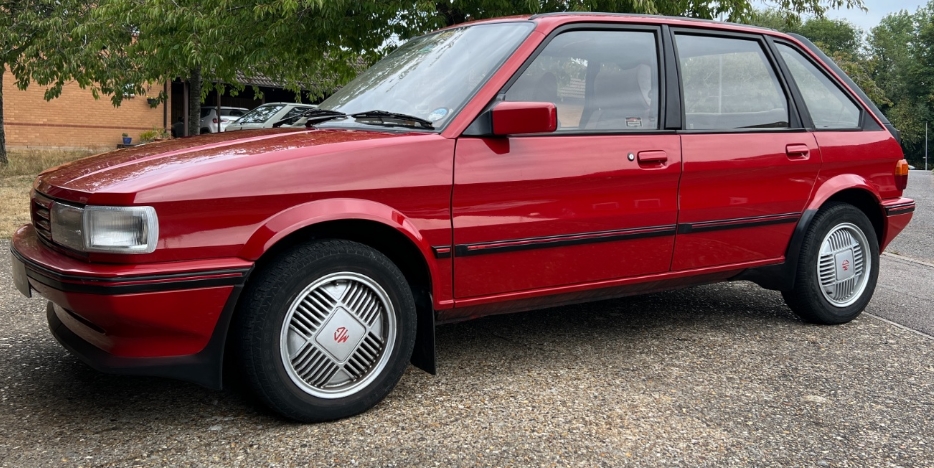
The MG Maestro stands as one of the most distinctive and performance-oriented British hatchbacks of the 1980s and early 1990s. As the sporty variant of the Austin/Rover Maestro, the MG version brought performance, flair, and enthusiasm to what was otherwise a fairly conventional front-wheel-drive family car. Produced primarily between 1983 and 1991, the MG Maestro is remembered for its spirited engines, diverse trim levels, limited-run high-performance models like the Turbo, and its enduring appeal among classic car enthusiasts despite a mixed reputation at launch.
Origins: The Maestro Family and the MG Badge
The Austin Maestro was introduced in 1982/83 as a modern replacement for aging models like the Austin Allegro and Maxi. Built at the Cowley plant in Oxford, UK, it featured a five-door hatchback layout and front-wheel drive — a design aimed at competing with popular rivals such as the Ford Escort and Volkswagen Golf.
Almost from the outset, the potential for a performance-oriented version was recognized, and thus the MG Maestro was launched in March 1983. The MG badge — historically associated with sportier, more driver-focused cars — lent the Maestro an aspirational performance angle, distinguishing it from the standard Austin/Rover models.
.
THIS is GOOD stuff if your car is in need:

.
Production Years: 1983–1991
While the Maestro continued production in non-MG form until 1994, the MG-branded versions were produced from 1983 until 1991.
During this period, the MG Maestro evolved through several engine formats and enhancements, moving from an ambitious but flawed launch model to a refined and genuinely competitive performance hatch.
Engine Variants and Performance Evolution
MG Maestro 1600 (1983–1984)
The MG Maestro’s debut variant was the MG Maestro 1600, powered by a 1.6-litre R-series engine with twin Weber carburetors. Designed to deliver a more exciting driving experience than the standard Maestro, this version featured alloy wheels, uprated suspension, and other sporty touches. However, its engine — hurried into production — often suffered from rough running and tuning difficulties, leading to mixed reviews and reliability issues.
Despite these early teething problems, around 15,000 examples were built between March 1983 and October 1984, giving the model a foothold in the performance car market.
MG Maestro 2.0 EFi / 2.0i (1984–1991)
Realizing the limitations of the initial 1.6-litre MG, Austin Rover relaunched the MG Maestro in October 1984 with a fuel-injected 2.0-litre O-series engine producing around 115 bhp. This engine markedly improved performance, refinement, and outright speed, making the MG Maestro a credible rival to contemporaries such as the Ford Escort XR3i and Volkswagen Golf GTI.
The 2.0 EFi (later referred to simply as the 2.0i) became the definitive MG Maestro, with approximately 32,000 units produced between 1984 and 1991. This version combined peppy performance with genuinely usable dynamics — despite persistent perceptions about poor build quality on earlier Maestro lines — helping secure the MG Maestro’s reputation as a genuine hot hatch of its era.
MG Maestro Turbo (1988–1991)
In response to the growing competition from hot versions of mainstream hatchbacks, Austin Rover and Tickfords developed a limited-run MG Maestro Turbo showcased at the 1988 Birmingham Motor Show. Developed using the Montego Turbo’s drivetrain and featuring a bold bodykit by Tickfords, this version offered a turbocharged O-series engine producing around 150 PS.
With only about 505 units built before production ended in 1989–1990, the MG Maestro Turbo quickly gained cult status among enthusiasts due to its rarity and performance.
Trim Levels and Variants
Unlike many mainstream family cars of the era, the MG Maestro did not have a sprawling range of trims because it was positioned as the sporty variant. Instead, the MG badge was applied across specific engine configurations and often came with standard equipment aimed at enhancing both aesthetics and driving experience:
- MG Maestro 1600 – Early performance version with twin carburettors.
- MG Maestro 2.0 EFi / 2.0i – Core fuel-injected performance model with improved engine and dynamics.
- MG Maestro Turbo – Limited-run, high-performance turbocharged version with bodykit and enhanced power.
These core versions were typically more generously equipped than standard Maestro trims, often including alloy wheels, color-coded trim, upgraded brakes and suspension settings, and interior touches like sport seats or leather-trimmed steering wheels — features uncommon on regular Maestros.
Where the MG Maestro Fits in the Maestro Family
The MG Maestro was part of a broader Maestro lineup that included multiple non-MG trims from Austin and Rover — such as base models, L, HL, HLS, and others — but the MG versions stood out for performance and exclusivity.
While Austin/Rover Maestros extended production into the mid-1990s and even saw CKD kit assembly abroad after the 1994 UK shutdown, the MG badge disappeared by 1991, marking an end to factory-built high-performance Maestro saloons.
Market Reception and Challenges
From its launch, the MG Maestro faced a mixed reception. Early models’ engine and build issues dampened enthusiasm among journalists and buyers alike, even though the 2.0i later proved to be a commendable performer. Some early reviewers criticized the rough running of the original R-series engine; however, later versions with fuel injection and turbocharging drew praise for their dynamic capabilities and competitiveness with European rivals.
Despite this, ongoing perceptions about British Leyland’s quality control and rust issues in many early models impacted sales during the late 1980s. Still, run-out MG Maestro Turbos and later 2.0i cars maintained a strong enthusiast following, particularly among those who appreciated the blend of performance, practicality, and character.
End of Production and Afterlife
Production of the MG Maestro ended in 1991, as Austin Rover shifted its focus away from saloon-based performance cars towards other platforms and revived MG models like the later MG RV8.
After this, the Maestro platform lived on through standard Austin/Rover versions into 1994 in the UK and continued abroad via assembly of Knock-Down kits into the late 1990s and early 2000s in markets like Bulgaria and China.
While few MG Maestros survive on the road today — rust and scrappage programs have eliminated many — those that remain are highly prized by collectors and classic car enthusiasts. The MG Turbo special, in particular, is seen as a rare and desirable 1980s performance classic.
Legacy and Future Outlook
The MG Maestro’s legacy is complex. On one hand, it reflects the capabilities of British performance hatchbacks in an era before Ford and Vauxhall dominated that segment. On the other hand, it underscores the challenges faced by British Leyland and its successors in competing with better-funded rivals.
Despite this, the MG Maestro remains fondly remembered by enthusiasts and historians alike, particularly for its role in redefining what a British hot hatch could be. Periodic shows, club events, and online communities ensure that the MG Maestro’s history and achievements continue to be celebrated decades after its final production.
From its 1983 debut through to the last 1991 MG models, the MG Maestro evolved from a hastily assembled performance variant into a respected and cult-status hatchback. With engine upgrades, fuel injection, and the rare Turbo edition, it offered variety and performance within the Maestro lineup. Although production ceased and the MG badge eventually moved on, the Maestro lives on as a distinctive symbol of British automotive performance from an era of transition.