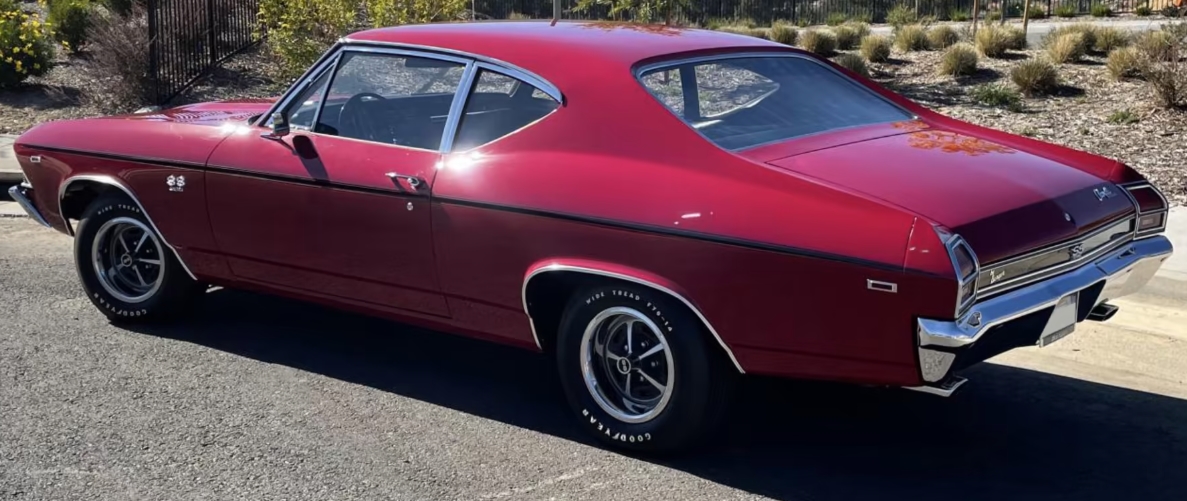
“By Berger” and the Chevrolet Chevelle: The Dealer‑Driven Performance Legacy
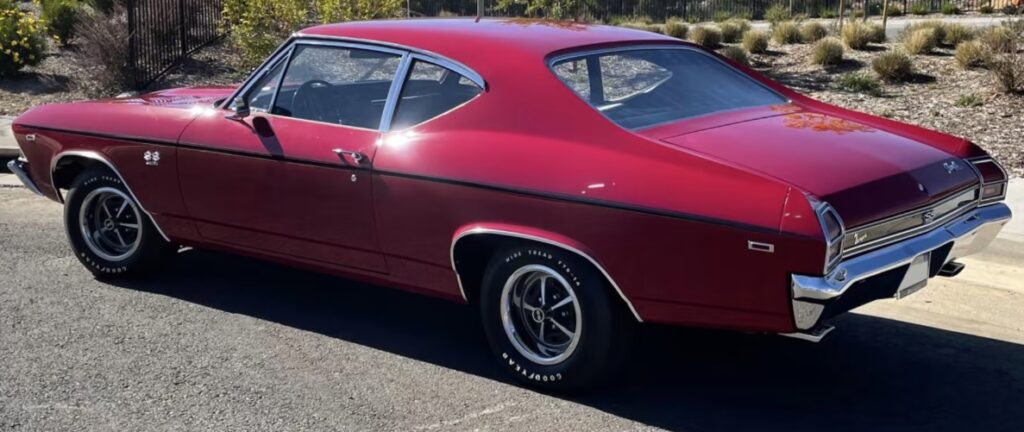
For many American car enthusiasts, the Chevrolet Chevelle represents one of the defining muscle cars of the late 1960s and early 1970s. Within the high‑performance collector scene, certain dealerships — such as Berger Chevrolet of Grand Rapids, Michigan — developed reputations for special access, high‑performance parts, and custom or dealer‑enhanced vehicles that go beyond stock models. Among these, Chevelles that passed through Berger’s doors or were sold under a “By Berger” banner carry extra allure, not because they were standalone production models, but because of the dealership’s unique role in Chevrolet performance history.
This article explores the evolution and influence of Berger Chevrolet in relation to Chevelles, including the years of relevance, how Chevelles came into play at Berger, what made certain dealer‑linked examples distinctive, the broader performance culture at the dealership, and what the future holds for these historic vehicles.
1. The Chevelle and Its Place in Muscle Car History
Before understanding the Berger connection, it’s essential to appreciate the Chevrolet Chevelle itself.
The Chevelle was introduced by Chevrolet in 1964 as a mid‑size car built on the GM “A‑Body” platform. It quickly evolved into an American muscle car icon thanks to powerful V8 engines and performance‑oriented trims. Key production highlights include:
- 1964–1967: Early iterations with a range from economical six‑cylinders to big‑block V8s.
- 1968–1972: Golden era of muscle Chevelles, including the famous SS 396 and SS 454 variants with engines ranging from 396 ci to 454 ci.
- 1973–1977: Muscle attenuated by emissions and insurance costs, but Chevelles remained popular as performance‑inspired cruisers.
The Trim Levels over the years generally included:
- Chevelle 300 / 300 Deluxe: Base and mid‑level trims in early years.
- Malibu / Malibu SS: Higher‑trim and sportier versions.
- SS (Super Sport): Official Chevrolet high‑performance package, often with larger engines and performance upgrades.
Chevelles sold well and became desirable collector cars, particularly close to the peak of the muscle era in 1970.
.

.
2. Berger Chevrolet: Dealer History and Performance Roots
Berger Chevrolet itself is a family‑owned Chevrolet dealership that traces its roots back to 1925 in Grand Rapids, Michigan. Founded by William H. Berger II and continuously operated by successive generations of the Berger family, it grew into a major dealership known not just for volume sales but also for performance and enthusiast credibility.
During the muscle car boom of the 1960s and early 1970s, Berger embraced the performance car culture. The dealership became:
- A supplier of high‑performance parts via its “Prescribed Power” catalogs.
- A COPO (Central Office Production Order) dealer, ordering special factory‑built high‑performance cars like Camaros and Chevelles that weren’t part of the regular line‑up.
- A performance resource for enthusiasts nationwide.
COPO ordering allowed dealers to request cars with specific performance equipment direct from GM that weren’t otherwise publicly available — essentially a factory‑produced custom build. Berger was among the noteworthy dealers using this system, especially for Camaros and some Chevelles.
3. Chevelles and Berger Chevrolet: Dealer Links and Custom History
a. COPO Chevelles at Berger
The most direct production‑adjacent Berger‑linked Chevelles come from Berger’s COPO ordering activity in the late 1960s. Unlike the more famous Yenko or Nickey dealerships, which created highly publicized dealer specials, Berger was less associated with its own branded “super Chevelles.” Nonetheless, Berger ordered and offered high‑performance Chevelles through COPO orders — a practice confirmed by period documentation and enthusiast research.
These COPO Chevelles were:
- Factory‑built by Chevrolet to the dealer order specification, often including L‑72 big‑block engines, unique option combinations, and performance enhancements not typically found on standard Chevelles.
- Rare compared to regular production Chevelles, making them prized among collectors.
- Sold at Berger’s showroom as specialty high‑performance cars, not under a formal separate model name like “Berger Chevelle,” but with Berger affiliation through the dealership’s order and sale.
While specific production numbers for COPO Chevelles tied to Berger are not widely published, period advertisements and dealer records confirm Berger’s involvement in selling high‑performance Chevelles alongside other COPO cars.
b. “By Berger” Emblem and Dealer Identity
In collector circles, the “By Berger” emblem is often cited with pride on classic cars — including Chevelles — that were originally sold at the dealership. Many Chevelles that passed through Berger’s showroom carried this emblem and accompanying Protect‑O‑Plates, which authenticate the original dealer of sale.
This doesn’t mean the dealership manufactured these cars, but rather that they were sold with Berger’s performance pedigree and support. For enthusiasts, the provenance adds to a vehicle’s historical and collectible value.
c. Custom Builds and Restomods
In later decades, especially as classic Chevelles became prized collector cars, Berger Chevrolet’s parts and service departments supported restoration and performance upgrades for these vehicles. While not dealership‑produced commercial models, many owners who restored Chevelles at Berger left with enhanced performance components, repainting, engine rebuilds, and bespoke upgrades — all carrying the Berger performance ethos.
4. What Distinguished a Dealer‑Linked Chevelle?
Collector interest in Chevelles associated with Berger arises from several factors:
1. Rarity and Documentation
- Vehicles originally sold through Berger often retain Protect‑O‑Plates and dealership emblems that verify their provenance. In the classic‑car market, documented history can significantly boost desirability and value.
2. Performance Potential
- COPO‑ordered Chevelles and those equipped with big‑block L‑72 engines were performance machines for their era. While Chevelles of this spec were available to any dealer ordering them, Berger’s reputation helped move such cars and connect them with performance‑oriented buyers.
3. Enthusiast Culture
- The dealership’s performance parts catalogs, mail‑order business in the 1960s and early 1970s, and ongoing support of classic GM performance cars created a community of collectors and builders around Berger. This proton‑festival atmosphere elevated Chevelles beyond ordinary used cars to enthusiast artifacts.
5. Berger Chevrolet’s Legacy in Performance Cars
Berger Chevrolet’s broader influence on performance cars is well documented. Although more prominent in the Camaro world — including later limited‑run builds like Berger SS Camaros in the early 2000s — the dealership’s muscle‑car heritage inevitably touched Chevelles, Novas, and other performance models over the decades.
a. Camaro Focus but Chevelle Presence
While Camaros often received more visible branding under Berger’s performance programs (e.g., dealer‑supported SS and Hot Rod editions), Chevelles were part of the same Prescribed Power environment where high‑performance engines, parts, and dealer‑driven upgrades were encouraged.
b. The All GM Show
For many years, Berger hosted the annual All GM Show, celebrating all General Motors vehicles — including classic Chevelles — with owners, restorers, and enthusiasts from across the region. These events helped sustain community interest in Chevelles and other collector GM models. The show concluded after the 2025 centennial celebration, but its legacy underscores the dealership’s role in the collector world.
6. Collectability & Market Outlook
Classic Chevelles — especially high‑performance variants — remain highly collectible. Vehicles with documented Berger Chevrolet provenance often find special interest among buyers because:
- Authenticity and history matter in classic car pricing.
- Dealer‑affiliated Chevelles are seen as part of the performance narrative of the muscle‑car era.
- COPO and performance‑equipped examples — whether Chevelles, Camaros, or Novas — still command strong values at auctions and in private sales.
Given the sustained interest in late‑1960s and early‑1970s muscle cars, it is likely that Chevelles connected to historic performance dealerships like Berger will continue to hold value and attract enthusiasts. As the classic‑car market evolves, provenance and connection to performance culture will remain key drivers of desirability.
Conclusion: Dealer Influence vs. Factory Model
There never was an official production‑line “Berger Chevelle” in the way Chevrolet factories built the Chevelle itself. What existed — and what still matters to enthusiasts — are Chevelles sold through Berger Chevrolet, ordered via COPO by the dealership, or enhanced through Berger’s parts and service departments. These examples are collectively part of the Berger performance heritage, a story of how a regional dealer participated in America’s muscle‑car culture by supplying rare options, performance parts, and support to customers who wanted more than stock vehicles.
The legacy of these cars isn’t defined by a unique model badge, but by the people who bought them, the upgrades they received, and the stories they carry — stories preserved by owners, collectors, and a dealer that helped fuel a passion for performance for a century.