The Evolution of the Škoda Yeti: The Czech Compact SUV That Broke New Ground
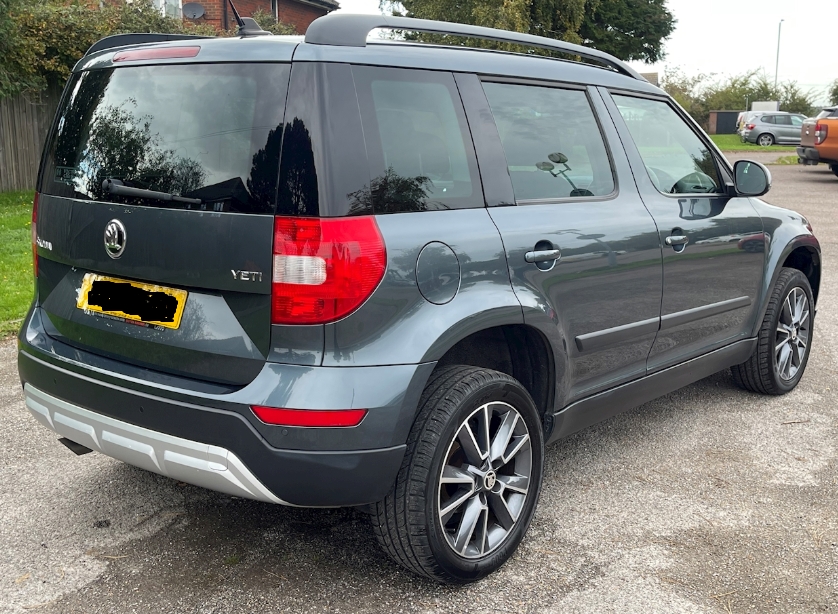
The Škoda Yeti stands as one of the most distinctive and influential models in Škoda’s modern history. Produced from 2009 to 2017, the Yeti marked Škoda’s first serious entry into the compact SUV segment, blending practicality, off‑road capability, quirky design, and everyday usability. Over its lifecycle, the Yeti evolved through multiple model years, trims, powertrain options, and facelifts—with each iteration refining its appeal to European and global buyers.
This article traces the Yeti’s complete evolution, including production history, model variants and trim levels, design updates, technical developments, sales impact, and why it remains an important chapter in the Czech brand’s lineup.
Origins and Brand Context
Before the Yeti’s introduction, Škoda had already established success with compact and mid‑size models such as the Fabia and Octavia—both benefitting from Volkswagen Group platforms and engineering. But the early 2000s saw growing global demand for SUVs and crossovers, driven by consumer demand for versatile vehicles combining car‑like comfort with heightened seating position and some all‑terrain ability.
In response, Škoda developed the Yeti, debuting it as a compact crossover SUV at the 2009 Geneva Motor Show and launching it later that year for model year 2010. The name “Yeti” was chosen to evoke ruggedness and adventurousness, though its design language also included unique, expressive cues that set it apart from typical boxy SUVs.
.

.
First Generation (2009–2013)
Production and Platform
- Production span: 2009–2013
- Platform: Volkswagen Group A5 / PQ35 (shared with Octavia and Golf derivatives)
- Layout: Front‑engine, front‑wheel drive; optional all‑wheel drive
The Yeti was positioned to fill the growing niche between smaller hatchbacks and larger SUVs—small enough for urban use, but capable of handling rougher roads and light off‑roading.
Design Language
The original Yeti’s styling was unmistakable: a compact, almost boxy silhouette softened with rounded edges and expressive front fascia. Split headlamps—square main units coupled with round fog lamps below—were one of its most distinguishing features. While controversial at launch, this design became a defining part of the Yeti’s identity.
Engines and Powertrains
Across its early years, the Yeti offered a diverse and comprehensive engine lineup:
Gasoline Engines
- 1.2‑liter TSI I4
- 1.4‑liter TSI I4
- 1.8‑liter TSI I4
- 2.0‑liter TSI I4
Diesel Engines
- 1.6‑liter TDI I4
- 2.0‑liter TDI I4 (various outputs)
Transmission options included:
- 5‑speed manual
- 6‑speed manual
- 6‑speed DSG (dual‑clutch automatic)
- 7‑speed DSG (in later models)
All‑wheel drive (marketed by Škoda as “4×4”) was optional on certain engine and trim combinations, typically paired with larger diesel engines.
Trim Levels (2009–2013)
Škoda offered the Yeti in a range of trim levels, which were intended to appeal to diverse buyers—from value‑oriented customers to more equipment‑rich configurations.
Typical trim levels included:
- S / Active
- Entry–level trim with essential features
- Usually paired with smaller engines
- Steel wheels and basic infotainment
- Ambition
- Midrange trim
- Upgraded interior materials and features
- Increased equipment with additional safety systems
- Elegance / Style
- Higher‑end trim
- Alloy wheels, better interior upholstery, larger infotainment screens
- More connectivity and convenience functions
In some markets, Sport or Laurin & Klement (L&K) came later as special or premium trims with leather seating, panoramic roof, and premium audio systems.
2014 Facelift: The Refined Yeti (2013–2017)
As the compact SUV segment became more competitive in the early 2010s, Škoda introduced a mid‑cycle refresh for the Yeti in 2013 for the 2014 model year. This update marked both subtle and significant improvements.
Exterior and Interior Updates
Key changes included:
- Revised front grille with sleeker chrome accents
- New bumper design and updated lighting elements
- More modern wheel designs
- Slight interior enhancements with improved materials and trim finishes
While the original quirky design remained, the facelifted Yeti took on a more refined and mainstream look—especially with redesigned headlights that reduced the split‑lamp “bug‑eye” appearance.
Enhanced Features and Technology
The refreshed Yeti offered:
- Updated navigation and infotainment systems with better connectivity
- Advanced driver assistance systems such as rear‑view camera, blind‑spot detection, and automatic post‑collision braking in later model years
- Climatronic automatic climate control on higher trims
- Optional panoramic sunroof and upgraded audio system
These updates helped the Yeti stay competitive with rivals such as the Nissan Qashqai, Ford Kuga (Escape outside Europe), and Honda CR‑V.
Updated Engines and Efficiency
While the core engine lineup remained largely consistent, later model years optimized diesel and gasoline options with improved fuel economy and reduced emissions in response to tightening European standards.
Notably:
- The 1.2 TSI and 1.4 TSI remained popular gasoline choices
- Diesel variants—especially the 2.0 TDI—became buyers’ favorites in Europe for highway efficiency
- DSG transmissions continued to be a popular option for smooth shifting and driving refinement
Trim Levels (2014–2017)
The post‑facelift trim hierarchy evolved slightly but generally included:
- Active
- Standard safety systems
- Basic infotainment
- All‑season tires
- Ambition
- Midrange comfort features
- Optional panoramic roof
- Cloth upholstery and heated seats
- Style / Elegance
- Premium interior and exterior detailing
- Larger wheels
- Enhanced infotainment and connectivity
- Laurin & Klement (L&K)
- Top‑tier trim focused on luxury
- Leather‑trimmed seating
- Exclusive badging
- Premium audio and comfort systems
The L&K trim in particular emphasized the Yeti’s potential as not just a practical compact SUV, but a near‑luxury crossover with strong equipment content for its class.
Special Variants and Packages
Beyond standard trims, Škoda offered optional packages and special editions during the Yeti’s production life, including:
- Off‑Road Packets (mainly for 4×4 variants) with additional underbody protection
- Winter or Cold Climate Packs with heated features and all‑weather comfort options
- Limited Editions celebrating milestones or dealership anniversary models with unique decals or trim touches
These packages were typically region‑specific and reflected buyer preferences in markets such as Scandinavia, Russia, and the UK.
Market Reception and Impact
Total Sales and Market Presence
The Yeti quickly became one of Škoda’s best‑selling SUVs. Although exact global sales numbers vary by region, it consistently contributed strongly to Škoda’s annual sales figures, especially in Europe, Russia, and select Asian markets.
Its success came at a time when the SUV market was expanding rapidly, and its balanced combination of:
- Practical size
- Efficient engines
- Clever interior packaging
- Off‑road capability (especially with 4×4)
- Competitive pricing
made it a compelling alternative to more mainstream offerings.
Practicality and Versatility
The Yeti’s interior space and thoughtful design were frequently praised by automotive reviewers. Features included:
- Flat‑folding rear seats with multiple configurations
- Tall roofline for excellent headroom
- Ample cargo space with adjustable load floor
- Optional tow hitch and roof rails for recreational gear
These attributes helped the Yeti appeal not just to crossover buyers but to small families, outdoor enthusiasts, and city drivers seeking a flexible vehicle.
End of Production and Legacy
Production Ended: 2017
After an eight‑year production run, Škoda discontinued the Yeti in 2017, replacing it with the Škoda Karoq. The Karoq adopted a more conventional modern SUV design, expanded interior technology, and broader global marketing. While the Karoq was designed to succeed the Yeti directly, the little “boxy” SUV had developed a cult following that remained loyal long after production ended.
Legacy
The Yeti’s legacy includes:
- Establishing Škoda as a serious player in the compact SUV segment
- Demonstrating that quirky design and clever engineering could succeed commercially
- Helping popularize 4×4 and AWD availability in compact crossovers
- Cementing Škoda’s reputation for practicality and value
Its distinctive looks, unique personality, and well‑rounded capabilities helped it stand out in a crowded segment, and it remains fondly remembered among enthusiasts and buyers alike.
Design and Engineering Innovations
Even though it was built on a platform shared with hatchbacks, the Yeti offered:
- Adaptive chassis control in select markets
- Off‑road driving mode for AWD variants
- High‑strength steel body structure for enhanced safety
- Balanced suspension tuning that blended comfort and agility
Such features were relatively sophisticated for a compact SUV at the time of launch and showed Škoda’s commitment to engineering quality.
Comparative Positioning
Against rivals such as:
- Nissan Qashqai
- Honda CR‑V
- Toyota RAV4
- Ford Kuga (Escape)
the Yeti offered a quirky alternative with strong value content, especially in its midrange and top‑tier trims. While competitors often focused on sleek styling or sportiness, the Yeti highlighted practicality and everyday usefulness—including real all‑wheel‑drive capability rather than solely aesthetic SUV styling.
Future Outlook and Influence
Although the Yeti itself is no longer in production, its influence continues:
- The Škoda Karoq and Kodiaq SUVs carry forward the brand’s SUV strategy with more conventional aesthetics and more advanced technology
- Škoda has announced electrified versions of future SUVs as part of Volkswagen Group’s electrification plans
- The Yeti’s reputation for practicality informs the design philosophy of newer models
In some enthusiast circles, calls for a Yeti revival—potentially as an electrified compact SUV with retro design cues—have echoed online. While Škoda has not confirmed such a model, its increasing focus on electrification and diversified SUV lineup means future crossovers may capture some of the Yeti’s spirit.
The Škoda Yeti was a compact SUV that broke new ground for the Czech brand and helped define its SUV strategy in the 2010s. Produced from 2009 to 2017, the Yeti offered a blend of:
- Distinctive styling
- Practical versatility
- Efficient powertrains
- Strong value for money
Trim levels ranged from basic Active and Ambition to premium Style and Laurin & Klement variants, giving buyers plentiful choice. A mid‑cycle facelift in 2014 refined its design and technology without losing the unique character that made the Yeti stand out.
Its legacy lives on in Škoda’s SUV lineup and in the fond memories of those who appreciated its character, capability, and everyday usefulness. For many buyers, the Škoda Yeti remains an emblematic SUV of the 2010s—a practical, quirky, and well‑engineered compact that helped shape modern Škoda.