Nickey Chevrolet Chevelle: Dealer-Built Muscle and the Evolution of a Chicago Legend
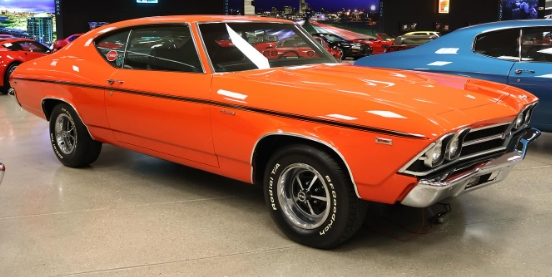
While Chevrolet’s Chevelle was one of the most iconic mid-size performance cars of the 1960s and 1970s, the Nickey Chevrolet Chevelle represents a fascinating dealer-built variant that lives at the intersection of factory muscle and bespoke performance craftsmanship. Unlike standard Chevrolet trim levels, the Nickey Chevelle wasn’t an official factory-produced model or option package — it was a high-performance, customized version of the Chevelle created by legendary Chicago dealer Nickey Chevrolet. These cars, now rare and highly collectible, embody a chapter of American automotive history defined by performance innovation, dealer ingenuity, and bespoke muscle-car culture.
Nickey Chevrolet: A First Look at the Dealer Behind the Legend
Founded in 1925 in Chicago, Illinois, Nickey Chevrolet became one of the nation’s most notable Chevrolet dealerships, eventually growing into a massive facility that specialized in performance cars and parts. In the late 1950s and into the 1960s and early 1970s, Nickey’s service department was especially known for engine swaps and high-performance modifications, transplanting large Chevrolet Big Block V8 engines — including the 427 cubic-inch units — into a wide variety of Chevrolet platforms such as Corvettes, Novas, Camaros, Impalas and Chevelles. This dealer-modification service elevated ordinary cars into truly formidable performance machines.
Contrary to factory-produced trims like “SS” (Super Sport), which Chevrolet itself marketed on various models including the Chevelle, Nickey’s cars were dealer-constructed supercars customized to customer desires. This dealer-centric approach meant that each Nickey Chevelle could be unique depending on the performance package and parts specified by the buyer.
The original Nickey Chevrolet dealership was sold in 1973 and renamed Keystone Chevrolet, while a successor performance shop called Nickey Chicago operated until 1977. In 2002 the Nickey Performance trademark and rights were purchased by hobbyist Stefano Bimbi, and the brand was revived — including efforts to register and authenticate vintage Nickey cars.
.

.
The Chevelle’s Factory Background: Muscle Car Context
Before exploring the Nickey variants, it’s important to understand the Chevrolet Chevelle’s place in automotive history. Chevrolet introduced the Chevelle in 1964 as part of its mid-size lineup, positioned between the compact Chevy II and full-size Chevrolet models like the Impala. Across its production life, the Chevelle offered body styles including coupes, convertibles, sedans and wagons, with performance-oriented trims like the SS (Super Sport) option becoming most celebrated during the 1960s and early ’70s.
The Chevelle was widely embraced by performance buyers and became one of America’s most popular muscle cars, especially in its second-generation form (1968–1972). Enthusiasts loved its mix of power, handling, and aggressive styling — a perfect canvas for dealers like Nickey to take performance further.
Nickey Chevrolet Chevelle: Dealer-Built Variants
1960s – The Emergence of Dealer Performance Chevelles
In the 1960s, as the Chevelle gained traction among muscle-car buyers, Nickey Chevrolet began offering high-performance versions of Chevelles equipped with enhancements impossible to order directly from Chevrolet. A documented example is a 1968 Chevelle Malibu Sport Coupe that received Nickey upgrades including a numbers-matching 327 L79 V8 with a Nickey-installed dual-plane intake and Holley carburetor, white performance headers, a 4-speed manual transmission, and high-performance rear end gearing. This build retained key factory parts while incorporating Nickey’s signature performance upgrades for enhanced power.
Other Nickey Chevelles gained notoriety for having Big Block engine conversions, such as 427-cubic-inch V8s that significantly boosted horsepower and torque through dealer-installed, specialty components. These swaps weren’t simply trendy bolt-ons; they were tailored modifications that required engineering expertise and bespoke calibration, turning a Chevelle into a genuine dealer-built muscle machine.
Nickey performance enhancements often included functional upgrades beyond the engine alone, such as Positraction rear ends, upgraded transmission packages, performance headers, traction bars, and in some cases unique visual treatments — though each conversion was essentially bespoke rather than part of an official factory catalog.
Trim Levels and Performance Packages
Unlike a factory line where specified trim levels are produced in predictable numbers, Nickey Chevelles were customized to order, so traditional model years and trim charts do not cleanly apply. Instead, performance builds were often categorized informally by stages or by the extent of dealer additions:
- Stage I (Mild Performance) – Typically tuned engines, headers, performance carburetors, and modest appearance upgrades. (This tier concept parallels how Nickey later marketed performance vision on other cars and was replicated in vintage registry descriptions.)
- Stage II (Enhanced Performance) – Higher performance camshafts, upgraded clutch and transmission components, more aggressive engine tuning, and additional suspension or drivetrain upgrades.
- Stage III (High Performance) – The most potent Nickey builds typically involved big-block engine swaps (such as 427 or larger Chevrolet V8s), heavy-duty drivetrain components, race-oriented upgrades, and sometimes bespoke visual enhancements.
Because Nickey sold Chevelles as complete turnover vehicles — dealer stock Chevelle bodies enhanced with performance upgrades — production numbers were limited and not catalogued like factory SS packages. Each Nickey Chevelle is documented largely through dealership records, enthusiast registries, and collector provenance rather than factory build sheets.
Collector Documentation and Registry
Today, genuine Nickey Chevelles are tracked and authenticated through the Nickey Registry, a modern initiative that documents dealer-modified performance cars and assigns verified status based on historical data, paperwork such as Protect-O-Plates, dealer prep sheets, and dyno results. These documents help collectors prove a car’s pedigree since factory records don’t reflect dealer modifications.
Vehicles with strong documentation — including period invoices, performance upgrade details, and original build sheets — are much more valuable on the collector market. Because Nickey Chevelles were often low-volume dealer builds, well-documented examples can become centerpiece cars for classic muscle car collectors.
Cultural Significance and Legacy
Nickey Chevrolet’s work on Chevelles sits in the broader context of American performance culture in the 1960s and ’70s — an era when dealership performance departments played a major role in the muscle car movement. Dealers such as Nickey, Yenko Chevrolet, and Baldwin-Motion became legendary for selling cars that pushed beyond factory performance limits by installing engines, suspension upgrades, and powertrain components that greatly increased speed and handling.
Because Chevrolet’s own performance packages like Super Sport (SS) were limited by factory options and emissions regulations, dealers filled a niche by offering bespoke builds that satisfied performance enthusiasts who wanted more than what could be ordered from the factory.
Nickey Chevelles are now symbols of that dealer performance culture — rare machines reflecting a combination of factory heritage and skilled customization that’s impossible to replicate purely through original Chevrolet trim catalogs.
Future Outlook
With no intent from Chevrolet to resurrect the Chevelle nameplate — production of the original Chevelle ended in 1977 — the future of the Nickey Chevelle lies firmly in collector and enthusiast communities. Vintage continuation programs like those offered by **Nickey Performance today allow modern enthusiasts to recreate or commission vehicles that evoke the spirit of the original Nickey builds, complete with Stage I, II, or III performance configurations reminiscent of the original era.
Interest in classic muscle cars remains robust, and dealer-built variants such as the Nickey Chevelle — especially those with strong provenance and documentation — often perform well at collector auctions and car shows. Their legacy is preserved not through factory catalogs but through enthusiast appreciation, historical registries, and restorations that keep the muscle-car era alive.
The Nickey Chevrolet Chevelle isn’t a factory-defined model year or trim but rather a dealer-built performance legend born out of the heyday of American muscle. It represents an era when a Chicago dealership could take a well-engineered Chevrolet Chevelle and transform it into something far more potent and rare than standard factory offerings. Though production numbers were limited and each car was unique, the Nickey Chevelle remains a treasured part of muscle car lore — a testament to dealer ingenuity and the passion for performance that defined the golden age of American automotive culture.