ault 'all'.
* @type string|string[] $type Include comments of a given type, or array of types.
* Accepts 'comment', 'pings' (includes 'pingback' and
* 'trackback'), or any custom type string. Default empty.
* @type string[] $type__in Include comments from a given array of comment types.
* Default empty.
* @type string[] $type__not_in Exclude comments from a given array of comment types.
* Default empty.
* @type int $user_id Include comments for a specific user ID. Default empty.
* @type bool|string $hierarchical Whether to include comment descendants in the results.
* - 'threaded' returns a tree, with each comment's children
* stored in a `children` property on the `WP_Comment` object.
* - 'flat' returns a flat array of found comments plus
* their children.
* - Boolean `false` leaves out descendants.
* The parameter is ignored (forced to `false`) when
* `$fields` is 'ids' or 'counts'. Accepts 'threaded',
* 'flat', or false. Default: false.
* @type string $cache_domain Unique cache key to be produced when this query is stored in
* an object cache. Default is 'core'.
* @type bool $update_comment_meta_cache Whether to prime the metadata cache for found comments.
* Default true.
* @type bool $update_comment_post_cache Whether to prime the cache for comment posts.
* Default false.
* }
*/
public function __construct( $query = '' ) {
$this->query_var_defaults = array(
'author_email' => '',
'author_url' => '',
'author__in' => '',
'author__not_in' => '',
'include_unapproved' => '',
'fields' => '',
'ID' => '',
'comment__in' => '',
'comment__not_in' => '',
'karma' => '',
'number' => '',
'offset' => '',
'no_found_rows' => true,
'orderby' => '',
'order' => 'DESC',
'paged' => 1,
'parent' => '',
'parent__in' => '',
'parent__not_in' => '',
'post_author__in' => '',
'post_author__not_in' => '',
'post_ID' => '',
'post_id' => 0,
'post__in' => '',
'post__not_in' => '',
'post_author' => '',
'post_name' => '',
'post_parent' => '',
'post_status' => '',
'post_type' => '',
'status' => 'all',
'type' => '',
'type__in' => '',
'type__not_in' => '',
'user_id' => '',
'search' => '',
'count' => false,
'meta_key' => '',
'meta_value' => '',
'meta_query' => '',
'date_query' => null, // See WP_Date_Query.
'hierarchical' => false,
'cache_domain' => 'core',
'update_comment_meta_cache' => true,
'update_comment_post_cache' => false,
);
if ( ! empty( $query ) ) {
$this->query( $query );
}
}
/**
* Parse arguments passed to the comment query with default query parameters.
*
* @since 4.2.0 Extracted from WP_Comment_Query::query().
*
* @param string|array $query WP_Comment_Query arguments. See WP_Comment_Query::__construct() for accepted arguments.
*/
public function parse_query( $query = '' ) {
if ( empty( $query ) ) {
$query = $this->query_vars;
}
$this->query_vars = wp_parse_args( $query, $this->query_var_defaults );
/**
* Fires after the comment query vars have been parsed.
*
* @since 4.2.0
*
* @param WP_Comment_Query $query The WP_Comment_Query instance (passed by reference).
*/
do_action_ref_array( 'parse_comment_query', array( &$this ) );
}
/**
* Sets up the WordPress query for retrieving comments.
*
* @since 3.1.0
* @since 4.1.0 Introduced 'comment__in', 'comment__not_in', 'post_author__in',
* 'post_author__not_in', 'author__in', 'author__not_in', 'post__in',
* 'post__not_in', 'include_unapproved', 'type__in', and 'type__not_in'
* arguments to $query_vars.
* @since 4.2.0 Moved parsing to WP_Comment_Query::parse_query().
*
* @param string|array $query Array or URL query string of parameters.
* @return array|int List of comments, or number of comments when 'count' is passed as a query var.
*/
public function query( $query ) {
$this->query_vars = wp_parse_args( $query );
return $this->get_comments();
}
/**
* Get a list of comments matching the query vars.
*
* @since 4.2.0
*
* @global wpdb $wpdb WordPress database abstraction object.
*
* @return int|int[]|WP_Comment[] List of comments or number of found comments if `$count` argument is true.
*/
public function get_comments() {
global $wpdb;
$this->parse_query();
// Parse meta query.
$this->meta_query = new WP_Meta_Query();
$this->meta_query->parse_query_vars( $this->query_vars );
/**
* Fires before comments are retrieved.
*
* @since 3.1.0
*
* @param WP_Comment_Query $query Current instance of WP_Comment_Query (passed by reference).
*/
do_action_ref_array( 'pre_get_comments', array( &$this ) );
// Reparse query vars, in case they were modified in a 'pre_get_comments' callback.
$this->meta_query->parse_query_vars( $this->query_vars );
if ( ! empty( $this->meta_query->queries ) ) {
$this->meta_query_clauses = $this->meta_query->get_sql( 'comment', $wpdb->comments, 'comment_ID', $this );
}
$comment_data = null;
/**
* Filters the comments data before the query takes place.
*
* Return a non-null value to bypass WordPress' default comment queries.
*
* The expected return type from this filter depends on the value passed
* in the request query vars:
* - When `$this->query_vars['count']` is set, the filter should return
* the comment count as an integer.
* - When `'ids' === $this->query_vars['fields']`, the filter should return
* an array of comment IDs.
* - Otherwise the filter should return an array of WP_Comment objects.
*
* Note that if the filter returns an array of comment data, it will be assigned
* to the `comments` property of the current WP_Comment_Query instance.
*
* Filtering functions that require pagination information are encouraged to set
* the `found_comments` and `max_num_pages` properties of the WP_Comment_Query object,
* passed to the filter by reference. If WP_Comment_Query does not perform a database
* query, it will not have enough information to generate these values itself.
*
* @since 5.3.0
* @since 5.6.0 The returned array of comment data is assigned to the `comments` property
* of the current WP_Comment_Query instance.
*
* @param array|int|null $comment_data Return an array of comment data to short-circuit WP's comment query,
* the comment count as an integer if `$this->query_vars['count']` is set,
* or null to allow WP to run its normal queries.
* @param WP_Comment_Query $query The WP_Comment_Query instance, passed by reference.
*/
$comment_data = apply_filters_ref_array( 'comments_pre_query', array( $comment_data, &$this ) );
if ( null !== $comment_data ) {
if ( is_array( $comment_data ) && ! $this->query_vars['count'] ) {
$this->comments = $comment_data;
}
return $comment_data;
}
/*
* Only use the args defined in the query_var_defaults to compute the key,
* but ignore 'fields', 'update_comment_meta_cache', 'update_comment_post_cache' which does not affect query results.
*/
$_args = wp_array_slice_assoc( $this->query_vars, array_keys( $this->query_var_defaults ) );
unset( $_args['fields'], $_args['update_comment_meta_cache'], $_args['update_comment_post_cache'] );
$key = md5( serialize( $_args ) );
$last_changed = wp_cache_get_last_changed( 'comment' );
$cache_key = "get_comments:$key";
$cache_value = wp_cache_get_salted( $cache_key, 'comment-queries', $last_changed );
if ( false === $cache_value ) {
$comment_ids = $this->get_comment_ids();
if ( $comment_ids ) {
$this->set_found_comments();
}
$cache_value = array(
'comment_ids' => $comment_ids,
'found_comments' => $this->found_comments,
);
wp_cache_set_salted( $cache_key, $cache_value, 'comment-queries', $last_changed );
} else {
$comment_ids = $cache_value['comment_ids'];
$this->found_comments = $cache_value['found_comments'];
}
if ( $this->found_comments && $this->query_vars['number'] ) {
$this->max_num_pages = (int) ceil( $this->found_comments / $this->query_vars['number'] );
}
// If querying for a count only, there's nothing more to do.
if ( $this->query_vars['count'] ) {
// $comment_ids is actually a count in this case.
return (int) $comment_ids;
}
$comment_ids = array_map( 'intval', $comment_ids );
if ( $this->query_vars['update_comment_meta_cache'] ) {
wp_lazyload_comment_meta( $comment_ids );
}
if ( 'ids' === $this->query_vars['fields'] ) {
$this->comments = $comment_ids;
return $this->comments;
}
_prime_comment_caches( $comment_ids, false );
// Fetch full comment objects from the primed cache.
$_comments = array();
foreach ( $comment_ids as $comment_id ) {
$_comment = get_comment( $comment_id );
if ( $_comment ) {
$_comments[] = $_comment;
}
}
// Prime comment post caches.
if ( $this->query_vars['update_comment_post_cache'] ) {
$comment_post_ids = array();
foreach ( $_comments as $_comment ) {
$comment_post_ids[] = $_comment->comment_post_ID;
}
_prime_post_caches( $comment_post_ids, false, false );
}
/**
* Filters the comment query results.
*
* @since 3.1.0
*
* @param WP_Comment[] $_comments An array of comments.
* @param WP_Comment_Query $query Current instance of WP_Comment_Query (passed by reference).
*/
$_comments = apply_filters_ref_array( 'the_comments', array( $_comments, &$this ) );
// Convert to WP_Comment instances.
$comments = array_map( 'get_comment', $_comments );
if ( $this->query_vars['hierarchical'] ) {
$comments = $this->fill_descendants( $comments );
}
$this->comments = $comments;
return $this->comments;
}
/**
* Used internally to get a list of comment IDs matching the query vars.
*
* @since 4.4.0
* @since 6.9.0 Excludes the 'note' comment type, unless 'all' or the 'note' types are requested.
*
* @global wpdb $wpdb WordPress database abstraction object.
*
* @return int|array A single count of comment IDs if a count query. An array of comment IDs if a full query.
*/
protected function get_comment_ids() {
global $wpdb;
// Assemble clauses related to 'comment_approved'.
$approved_clauses = array();
// 'status' accepts an array or a comma-separated string.
$status_clauses = array();
$statuses = wp_parse_list( $this->query_vars['status'] );
// Empty 'status' should be interpreted as 'all'.
if ( empty( $statuses ) ) {
$statuses = array( 'all' );
}
// 'any' overrides other statuses.
if ( ! in_array( 'any', $statuses, true ) ) {
foreach ( $statuses as $status ) {
switch ( $status ) {
case 'hold':
$status_clauses[] = "comment_approved = '0'";
break;
case 'approve':
$status_clauses[] = "comment_approved = '1'";
break;
case 'all':
case '':
$status_clauses[] = "( comment_approved = '0' OR comment_approved = '1' )";
break;
default:
$status_clauses[] = $wpdb->prepare( 'comment_approved = %s', $status );
break;
}
}
$approved_clauses[] = '( ' . implode( ' OR ', $status_clauses ) . ' )';
}
// User IDs or emails whose unapproved comments are included, regardless of $status.
if ( ! empty( $this->query_vars['include_unapproved'] ) ) {
$include_unapproved = wp_parse_list( $this->query_vars['include_unapproved'] );
foreach ( $include_unapproved as $unapproved_identifier ) {
// Numeric values are assumed to be user IDs.
if ( is_numeric( $unapproved_identifier ) ) {
$approved_clauses[] = $wpdb->prepare( "( user_id = %d AND comment_approved = '0' )", $unapproved_identifier );
} else {
// Otherwise we match against email addresses.
if ( ! empty( $_GET['unapproved'] ) && ! empty( $_GET['moderation-hash'] ) ) {
// Only include requested comment.
$approved_clauses[] = $wpdb->prepare( "( comment_author_email = %s AND comment_approved = '0' AND {$wpdb->comments}.comment_ID = %d )", $unapproved_identifier, (int) $_GET['unapproved'] );
} else {
// Include all of the author's unapproved comments.
$approved_clauses[] = $wpdb->prepare( "( comment_author_email = %s AND comment_approved = '0' )", $unapproved_identifier );
}
}
}
}
// Collapse comment_approved clauses into a single OR-separated clause.
if ( ! empty( $approved_clauses ) ) {
if ( 1 === count( $approved_clauses ) ) {
$this->sql_clauses['where']['approved'] = $approved_clauses[0];
} else {
$this->sql_clauses['where']['approved'] = '( ' . implode( ' OR ', $approved_clauses ) . ' )';
}
}
$order = ( 'ASC' === strtoupper( $this->query_vars['order'] ) ) ? 'ASC' : 'DESC';
// Disable ORDER BY with 'none', an empty array, or boolean false.
if ( in_array( $this->query_vars['orderby'], array( 'none', array(), false ), true ) ) {
$orderby = '';
} elseif ( ! empty( $this->query_vars['orderby'] ) ) {
$ordersby = is_array( $this->query_vars['orderby'] ) ?
$this->query_vars['orderby'] :
preg_split( '/[,\s]/', $this->query_vars['orderby'] );
$orderby_array = array();
$found_orderby_comment_id = false;
foreach ( $ordersby as $_key => $_value ) {
if ( ! $_value ) {
continue;
}
if ( is_int( $_key ) ) {
$_orderby = $_value;
$_order = $order;
} else {
$_orderby = $_key;
$_order = $_value;
}
if ( ! $found_orderby_comment_id && in_array( $_orderby, array( 'comment_ID', 'comment__in' ), true ) ) {
$found_orderby_comment_id = true;
}
$parsed = $this->parse_orderby( $_orderby );
if ( ! $parsed ) {
continue;
}
if ( 'comment__in' === $_orderby ) {
$orderby_array[] = $parsed;
continue;
}
$orderby_array[] = $parsed . ' ' . $this->parse_order( $_order );
}
// If no valid clauses were found, order by comment_date_gmt.
if ( empty( $orderby_array ) ) {
$orderby_array[] = "$wpdb->comments.comment_date_gmt $order";
}
// To ensure determinate sorting, always include a comment_ID clause.
if ( ! $found_orderby_comment_id ) {
$comment_id_order = '';
// Inherit order from comment_date or comment_date_gmt, if available.
foreach ( $orderby_array as $orderby_clause ) {
if ( preg_match( '/comment_date(?:_gmt)*\ (ASC|DESC)/', $orderby_clause, $match ) ) {
$comment_id_order = $match[1];
break;
}
}
// If no date-related order is available, use the date from the first available clause.
if ( ! $comment_id_order ) {
foreach ( $orderby_array as $orderby_clause ) {
if ( str_contains( 'ASC', $orderby_clause ) ) {
$comment_id_order = 'ASC';
} else {
$comment_id_order = 'DESC';
}
break;
}
}
// Default to DESC.
if ( ! $comment_id_order ) {
$comment_id_order = 'DESC';
}
$orderby_array[] = "$wpdb->comments.comment_ID $comment_id_order";
}
$orderby = implode( ', ', $orderby_array );
} else {
$orderby = "$wpdb->comments.comment_date_gmt $order";
}
$number = absint( $this->query_vars['number'] );
$offset = absint( $this->query_vars['offset'] );
$paged = absint( $this->query_vars['paged'] );
$limits = '';
if ( ! empty( $number ) ) {
if ( $offset ) {
$limits = 'LIMIT ' . $offset . ',' . $number;
} else {
$limits = 'LIMIT ' . ( $number * ( $paged - 1 ) ) . ',' . $number;
}
}
if ( $this->query_vars['count'] ) {
$fields = 'COUNT(*)';
} else {
$fields = "$wpdb->comments.comment_ID";
}
$post_id = absint( $this->query_vars['post_id'] );
if ( ! empty( $post_id ) ) {
$this->sql_clauses['where']['post_id'] = $wpdb->prepare( 'comment_post_ID = %d', $post_id );
}
// Parse comment IDs for an IN clause.
if ( ! empty( $this->query_vars['comment__in'] ) ) {
$this->sql_clauses['where']['comment__in'] = "$wpdb->comments.comment_ID IN ( " . implode( ',', wp_parse_id_list( $this->query_vars['comment__in'] ) ) . ' )';
}
// Parse comment IDs for a NOT IN clause.
if ( ! empty( $this->query_vars['comment__not_in'] ) ) {
$this->sql_clauses['where']['comment__not_in'] = "$wpdb->comments.comment_ID NOT IN ( " . implode( ',', wp_parse_id_list( $this->query_vars['comment__not_in'] ) ) . ' )';
}
// Parse comment parent IDs for an IN clause.
if ( ! empty( $this->query_vars['parent__in'] ) ) {
$this->sql_clauses['where']['parent__in'] = 'comment_parent IN ( ' . implode( ',', wp_parse_id_list( $this->query_vars['parent__in'] ) ) . ' )';
}
// Parse comment parent IDs for a NOT IN clause.
if ( ! empty( $this->query_vars['parent__not_in'] ) ) {
$this->sql_clauses['where']['parent__not_in'] = 'comment_parent NOT IN ( ' . implode( ',', wp_parse_id_list( $this->query_vars['parent__not_in'] ) ) . ' )';
}
// Parse comment post IDs for an IN clause.
if ( ! empty( $this->query_vars['post__in'] ) ) {
$this->sql_clauses['where']['post__in'] = 'comment_post_ID IN ( ' . implode( ',', wp_parse_id_list( $this->query_vars['post__in'] ) ) . ' )';
}
// Parse comment post IDs for a NOT IN clause.
if ( ! empty( $this->query_vars['post__not_in'] ) ) {
$this->sql_clauses['where']['post__not_in'] = 'comment_post_ID NOT IN ( ' . implode( ',', wp_parse_id_list( $this->query_vars['post__not_in'] ) ) . ' )';
}
if ( '' !== $this->query_vars['author_email'] ) {
$this->sql_clauses['where']['author_email'] = $wpdb->prepare( 'comment_author_email = %s', $this->query_vars['author_email'] );
}
if ( '' !== $this->query_vars['author_url'] ) {
$this->sql_clauses['where']['author_url'] = $wpdb->prepare( 'comment_author_url = %s', $this->query_vars['author_url'] );
}
if ( '' !== $this->query_vars['karma'] ) {
$this->sql_clauses['where']['karma'] = $wpdb->prepare( 'comment_karma = %d', $this->query_vars['karma'] );
}
// Filtering by comment_type: 'type', 'type__in', 'type__not_in'.
$raw_types = array(
'IN' => array_merge( (array) $this->query_vars['type'], (array) $this->query_vars['type__in'] ),
'NOT IN' => (array) $this->query_vars['type__not_in'],
);
// Exclude the 'note' comment type, unless 'all' types or the 'note' type explicitly are requested.
if (
! in_array( 'all', $raw_types['IN'], true ) &&
! in_array( 'note', $raw_types['IN'], true ) &&
! in_array( 'note', $raw_types['NOT IN'], true )
) {
$raw_types['NOT IN'][] = 'note';
}
$comment_types = array();
foreach ( $raw_types as $operator => $_raw_types ) {
$_raw_types = array_unique( $_raw_types );
foreach ( $_raw_types as $type ) {
switch ( $type ) {
// An empty translates to 'all', for backward compatibility.
case '':
case 'all':
break;
case 'comment':
case 'comments':
$comment_types[ $operator ][] = "''";
$comment_types[ $operator ][] = "'comment'";
break;
case 'pings':
$comment_types[ $operator ][] = "'pingback'";
$comment_types[ $operator ][] = "'trackback'";
break;
default:
$comment_types[ $operator ][] = $wpdb->prepare( '%s', $type );
break;
}
}
if ( ! empty( $comment_types[ $operator ] ) ) {
$types_sql = implode( ', ', $comment_types[ $operator ] );
$this->sql_clauses['where'][ 'comment_type__' . strtolower( str_replace( ' ', '_', $operator ) ) ] = "comment_type $operator ($types_sql)";
}
}
$parent = $this->query_vars['parent'];
if ( $this->query_vars['hierarchical'] && ! $parent ) {
$parent = 0;
}
if ( '' !== $parent ) {
$this->sql_clauses['where']['parent'] = $wpdb->prepare( 'comment_parent = %d', $parent );
}
if ( is_array( $this->query_vars['user_id'] ) ) {
$this->sql_clauses['where']['user_id'] = 'user_id IN (' . implode( ',', array_map( 'absint', $this->query_vars['user_id'] ) ) . ')';
} elseif ( '' !== $this->query_vars['user_id'] ) {
$this->sql_clauses['where']['user_id'] = $wpdb->prepare( 'user_id = %d', $this->query_vars['user_id'] );
}
// Falsey search strings are ignored.
if ( isset( $this->query_vars['search'] ) && strlen( $this->query_vars['search'] ) ) {
$search_sql = $this->get_search_sql(
$this->query_vars['search'],
array( 'comment_author', 'comment_author_email', 'comment_author_url', 'comment_author_IP', 'comment_content' )
);
// Strip leading 'AND'.
$this->sql_clauses['where']['search'] = preg_replace( '/^\s*AND\s*/', '', $search_sql );
}
// If any post-related query vars are passed, join the posts table.
$join_posts_table = false;
$plucked = wp_array_slice_assoc( $this->query_vars, array( 'post_author', 'post_name', 'post_parent' ) );
$post_fields = array_filter( $plucked );
if ( ! empty( $post_fields ) ) {
$join_posts_table = true;
foreach ( $post_fields as $field_name => $field_value ) {
// $field_value may be an array.
$esses = array_fill( 0, count( (array) $field_value ), '%s' );
// phpcs:ignore WordPress.DB.PreparedSQLPlaceholders.UnfinishedPrepare
$this->sql_clauses['where'][ $field_name ] = $wpdb->prepare( " {$wpdb->posts}.{$field_name} IN (" . implode( ',', $esses ) . ')', $field_value );
}
}
// 'post_status' and 'post_type' are handled separately, due to the specialized behavior of 'any'.
foreach ( array( 'post_status', 'post_type' ) as $field_name ) {
$q_values = array();
if ( ! empty( $this->query_vars[ $field_name ] ) ) {
$q_values = $this->query_vars[ $field_name ];
if ( ! is_array( $q_values ) ) {
$q_values = explode( ',', $q_values );
}
// 'any' will cause the query var to be ignored.
if ( in_array( 'any', $q_values, true ) || empty( $q_values ) ) {
continue;
}
$join_posts_table = true;
$esses = array_fill( 0, count( $q_values ), '%s' );
// phpcs:ignore WordPress.DB.PreparedSQLPlaceholders.UnfinishedPrepare
$this->sql_clauses['where'][ $field_name ] = $wpdb->prepare( " {$wpdb->posts}.{$field_name} IN (" . implode( ',', $esses ) . ')', $q_values );
}
}
// Comment author IDs for an IN clause.
if ( ! empty( $this->query_vars['author__in'] ) ) {
$this->sql_clauses['where']['author__in'] = 'user_id IN ( ' . implode( ',', wp_parse_id_list( $this->query_vars['author__in'] ) ) . ' )';
}
// Comment author IDs for a NOT IN clause.
if ( ! empty( $this->query_vars['author__not_in'] ) ) {
$this->sql_clauses['where']['author__not_in'] = 'user_id NOT IN ( ' . implode( ',', wp_parse_id_list( $this->query_vars['author__not_in'] ) ) . ' )';
}
// Post author IDs for an IN clause.
if ( ! empty( $this->query_vars['post_author__in'] ) ) {
$join_posts_table = true;
$this->sql_clauses['where']['post_author__in'] = 'post_author IN ( ' . implode( ',', wp_parse_id_list( $this->query_vars['post_author__in'] ) ) . ' )';
}
// Post author IDs for a NOT IN clause.
if ( ! empty( $this->query_vars['post_author__not_in'] ) ) {
$join_posts_table = true;
$this->sql_clauses['where']['post_author__not_in'] = 'post_author NOT IN ( ' . implode( ',', wp_parse_id_list( $this->query_vars['post_author__not_in'] ) ) . ' )';
}
$join = '';
$groupby = '';
if ( $join_posts_table ) {
$join .= "JOIN $wpdb->posts ON $wpdb->posts.ID = $wpdb->comments.comment_post_ID";
}
if ( ! empty( $this->meta_query_clauses ) ) {
$join .= $this->meta_query_clauses['join'];
// Strip leading 'AND'.
$this->sql_clauses['where']['meta_query'] = preg_replace( '/^\s*AND\s*/', '', $this->meta_query_clauses['where'] );
if ( ! $this->query_vars['count'] ) {
$groupby = "{$wpdb->comments}.comment_ID";
}
}
if ( ! empty( $this->query_vars['date_query'] ) && is_array( $this->query_vars['date_query'] ) ) {
$this->date_query = new WP_Date_Query( $this->query_vars['date_query'], 'comment_date' );
// Strip leading 'AND'.
$this->sql_clauses['where']['date_query'] = preg_replace( '/^\s*AND\s*/', '', $this->date_query->get_sql() );
}
$where = implode( ' AND ', $this->sql_clauses['where'] );
$pieces = array( 'fields', 'join', 'where', 'orderby', 'limits', 'groupby' );
/**
* Filters the comment query clauses.
*
* @since 3.1.0
*
* @param string[] $clauses {
* Associative array of the clauses for the query.
*
* @type string $fields The SELECT clause of the query.
* @type string $join The JOIN clause of the query.
* @type string $where The WHERE clause of the query.
* @type string $orderby The ORDER BY clause of the query.
* @type string $limits The LIMIT clause of the query.
* @type string $groupby The GROUP BY clause of the query.
* }
* @param WP_Comment_Query $query Current instance of WP_Comment_Query (passed by reference).
*/
$clauses = apply_filters_ref_array( 'comments_clauses', array( compact( $pieces ), &$this ) );
$fields = $clauses['fields'] ?? '';
$join = $clauses['join'] ?? '';
$where = $clauses['where'] ?? '';
$orderby = $clauses['orderby'] ?? '';
$limits = $clauses['limits'] ?? '';
$groupby = $clauses['groupby'] ?? '';
$this->filtered_where_clause = $where;
if ( $where ) {
$where = 'WHERE ' . $where;
}
if ( $groupby ) {
$groupby = 'GROUP BY ' . $groupby;
}
if ( $orderby ) {
$orderby = "ORDER BY $orderby";
}
$found_rows = '';
if ( ! $this->query_vars['no_found_rows'] ) {
$found_rows = 'SQL_CALC_FOUND_ROWS';
}
$this->sql_clauses['select'] = "SELECT $found_rows $fields";
$this->sql_clauses['from'] = "FROM $wpdb->comments $join";
$this->sql_clauses['groupby'] = $groupby;
$this->sql_clauses['orderby'] = $orderby;
$this->sql_clauses['limits'] = $limits;
// Beginning of the string is on a new line to prevent leading whitespace. See https://core.trac.wordpress.org/ticket/56841.
$this->request =
"{$this->sql_clauses['select']}
{$this->sql_clauses['from']}
{$where}
{$this->sql_clauses['groupby']}
{$this->sql_clauses['orderby']}
{$this->sql_clauses['limits']}";
if ( $this->query_vars['count'] ) {
return (int) $wpdb->get_var( $this->request );
} else {
$comment_ids = $wpdb->get_col( $this->request );
return array_map( 'intval', $comment_ids );
}
}
/**
* Populates found_comments and max_num_pages properties for the current
* query if the limit clause was used.
*
* @since 4.6.0
*
* @global wpdb $wpdb WordPress database abstraction object.
*/
private function set_found_comments() {
global $wpdb;
if ( $this->query_vars['number'] && ! $this->query_vars['no_found_rows'] ) {
/**
* Filters the query used to retrieve found comment count.
*
* @since 4.4.0
*
* @param string $found_comments_query SQL query. Default 'SELECT FOUND_ROWS()'.
* @param WP_Comment_Query $comment_query The `WP_Comment_Query` instance.
*/
$found_comments_query = apply_filters( 'found_comments_query', 'SELECT FOUND_ROWS()', $this );
$this->found_comments = (int) $wpdb->get_var( $found_comments_query );
}
}
/**
* Fetch descendants for located comments.
*
* Instead of calling `get_children()` separately on each child comment, we do a single set of queries to fetch
* the descendant trees for all matched top-level comments.
*
* @since 4.4.0
*
* @param WP_Comment[] $comments Array of top-level comments whose descendants should be filled in.
* @return array
*/
protected function fill_descendants( $comments ) {
$levels = array(
0 => wp_list_pluck( $comments, 'comment_ID' ),
);
$key = md5( serialize( wp_array_slice_assoc( $this->query_vars, array_keys( $this->query_var_defaults ) ) ) );
$last_changed = wp_cache_get_last_changed( 'comment' );
// Fetch an entire level of the descendant tree at a time.
$level = 0;
$exclude_keys = array( 'parent', 'parent__in', 'parent__not_in' );
do {
// Parent-child relationships may be cached. Only query for those that are not.
$child_ids = array();
$uncached_parent_ids = array();
$_parent_ids = $levels[ $level ];
if ( $_parent_ids ) {
$cache_keys = array();
foreach ( $_parent_ids as $parent_id ) {
$cache_keys[ $parent_id ] = "get_comment_child_ids:$parent_id:$key";
}
$cache_data = wp_cache_get_multiple_salted( array_values( $cache_keys ), 'comment-queries', $last_changed );
foreach ( $_parent_ids as $parent_id ) {
$parent_child_ids = $cache_data[ $cache_keys[ $parent_id ] ];
if ( false !== $parent_child_ids ) {
$child_ids = array_merge( $child_ids, $parent_child_ids );
} else {
$uncached_parent_ids[] = $parent_id;
}
}
}
if ( $uncached_parent_ids ) {
// Fetch this level of comments.
$parent_query_args = $this->query_vars;
foreach ( $exclude_keys as $exclude_key ) {
$parent_query_args[ $exclude_key ] = '';
}
$parent_query_args['parent__in'] = $uncached_parent_ids;
$parent_query_args['no_found_rows'] = true;
$parent_query_args['hierarchical'] = false;
$parent_query_args['offset'] = 0;
$parent_query_args['number'] = 0;
$level_comments = get_comments( $parent_query_args );
// Cache parent-child relationships.
$parent_map = array_fill_keys( $uncached_parent_ids, array() );
foreach ( $level_comments as $level_comment ) {
$parent_map[ $level_comment->comment_parent ][] = $level_comment->comment_ID;
$child_ids[] = $level_comment->comment_ID;
}
$data = array();
foreach ( $parent_map as $parent_id => $children ) {
$cache_key = "get_comment_child_ids:$parent_id:$key";
$data[ $cache_key ] = $children;
}
wp_cache_set_multiple_salted( $data, 'comment-queries', $last_changed );
}
++$level;
$levels[ $level ] = $child_ids;
} while ( $child_ids );
// Prime comment caches for non-top-level comments.
$descendant_ids = array();
for ( $i = 1, $c = count( $levels ); $i < $c; $i++ ) {
$descendant_ids = array_merge( $descendant_ids, $levels[ $i ] );
}
_prime_comment_caches( $descendant_ids, $this->query_vars['update_comment_meta_cache'] );
// Assemble a flat array of all comments + descendants.
$all_comments = $comments;
foreach ( $descendant_ids as $descendant_id ) {
$all_comments[] = get_comment( $descendant_id );
}
// If a threaded representation was requested, build the tree.
if ( 'threaded' === $this->query_vars['hierarchical'] ) {
$threaded_comments = array();
$ref = array();
foreach ( $all_comments as $k => $c ) {
$_c = get_comment( $c->comment_ID );
// If the comment isn't in the reference array, it goes in the top level of the thread.
if ( ! isset( $ref[ $c->comment_parent ] ) ) {
$threaded_comments[ $_c->comment_ID ] = $_c;
$ref[ $_c->comment_ID ] = $threaded_comments[ $_c->comment_ID ];
// Otherwise, set it as a child of its parent.
} else {
$ref[ $_c->comment_parent ]->add_child( $_c );
$ref[ $_c->comment_ID ] = $ref[ $_c->comment_parent ]->get_child( $_c->comment_ID );
}
}
// Set the 'populated_children' flag, to ensure additional database queries aren't run.
foreach ( $ref as $_ref ) {
$_ref->populated_children( true );
}
$comments = $threaded_comments;
} else {
$comments = $all_comments;
}
return $comments;
}
/**
* Used internally to generate an SQL string for searching across multiple columns.
*
* @since 3.1.0
*
* @global wpdb $wpdb WordPress database abstraction object.
*
* @param string $search Search string.
* @param string[] $columns Array of columns to search.
* @return string Search SQL.
*/
protected function get_search_sql( $search, $columns ) {
global $wpdb;
$like = '%' . $wpdb->esc_like( $search ) . '%';
$searches = array();
foreach ( $columns as $column ) {
$searches[] = $wpdb->prepare( "$column LIKE %s", $like );
}
return ' AND (' . implode( ' OR ', $searches ) . ')';
}
/**
* Parse and sanitize 'orderby' keys passed to the comment query.
*
* @since 4.2.0
*
* @global wpdb $wpdb WordPress database abstraction object.
*
* @param string $orderby Alias for the field to order by.
* @return string|false Value to used in the ORDER clause. False otherwise.
*/
protected function parse_orderby( $orderby ) {
global $wpdb;
$allowed_keys = array(
'comment_agent',
'comment_approved',
'comment_author',
'comment_author_email',
'comment_author_IP',
'comment_author_url',
'comment_content',
'comment_date',
'comment_date_gmt',
'comment_ID',
'comment_karma',
'comment_parent',
'comment_post_ID',
'comment_type',
'user_id',
);
if ( ! empty( $this->query_vars['meta_key'] ) ) {
$allowed_keys[] = $this->query_vars['meta_key'];
$allowed_keys[] = 'meta_value';
$allowed_keys[] = 'meta_value_num';
}
$meta_query_clauses = $this->meta_query->get_clauses();
if ( $meta_query_clauses ) {
$allowed_keys = array_merge( $allowed_keys, array_keys( $meta_query_clauses ) );
}
$parsed = false;
if ( $this->query_vars['meta_key'] === $orderby || 'meta_value' === $orderby ) {
$parsed = "$wpdb->commentmeta.meta_value";
} elseif ( 'meta_value_num' === $orderby ) {
$parsed = "$wpdb->commentmeta.meta_value+0";
} elseif ( 'comment__in' === $orderby ) {
$comment__in = implode( ',', array_map( 'absint', $this->query_vars['comment__in'] ) );
$parsed = "FIELD( {$wpdb->comments}.comment_ID, $comment__in )";
} elseif ( in_array( $orderby, $allowed_keys, true ) ) {
if ( isset( $meta_query_clauses[ $orderby ] ) ) {
$meta_clause = $meta_query_clauses[ $orderby ];
$parsed = sprintf( 'CAST(%s.meta_value AS %s)', esc_sql( $meta_clause['alias'] ), esc_sql( $meta_clause['cast'] ) );
} else {
$parsed = "$wpdb->comments.$orderby";
}
}
return $parsed;
}
/**
* Parse an 'order' query variable and cast it to ASC or DESC as necessary.
*
* @since 4.2.0
*
* @param string $order The 'order' query variable.
* @return string The sanitized 'order' query variable.
*/
protected function parse_order( $order ) {
if ( ! is_string( $order ) || empty( $order ) ) {
return 'DESC';
}
if ( 'ASC' === strtoupper( $order ) ) {
return 'ASC';
} else {
return 'DESC';
}
}
}
truck Archives - Page 9 of 11 - Car Origins
Skip to content
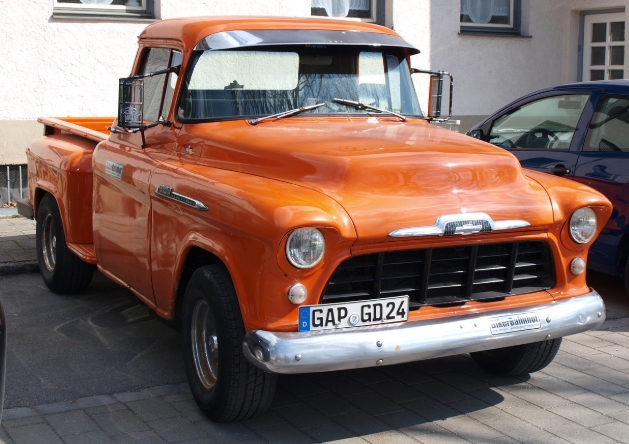
The Chevrolet 3100 Series has a rich heritage that reflects the evolution of American automotive design and consumer needs over the decades. Introduced in the mid-twentieth century, the 3100 Series has become a symbol of durability and reliability. Its iconic and timeless design has earned it a dedicated fan base and a reputation among classic…
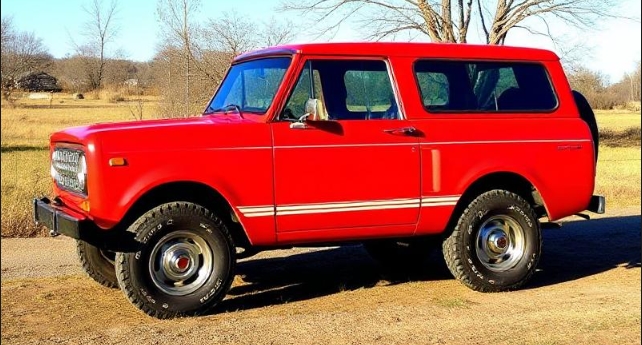
The International Harvester Scout is an iconic vehicle that holds a special place in American automotive history. Launched in 1960, the Scout was one of the first mass-produced SUVs, pioneering a segment that has grown tremendously in popularity. Its design and utility made it a favorite among outdoor enthusiasts and families, and its various iterations…
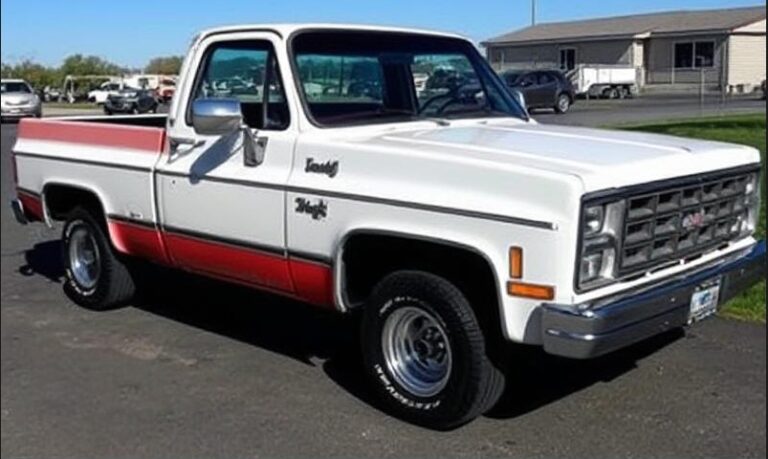
The GMC C/K series of trucks represents one of the most iconic and enduring lineups in automotive history. Produced from 1960 to 1999, the C/K series encapsulates the evolution of American trucks over several decades, showcasing advancements in technology, design, and consumer preferences. This article will explore the various facets of the GMC C/K series,…
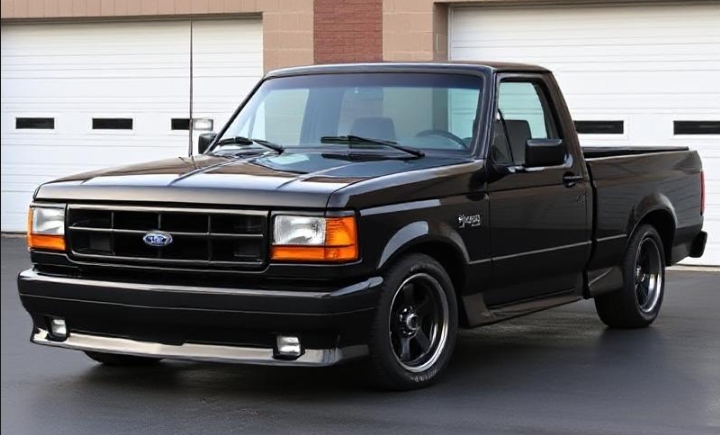
The Ford Lightning is a nameplate that evokes a mixture of nostalgia and performance-driven excitement in the hearts of automotive enthusiasts. Since its inception, the Lightning has represented Fordโs commitment to blending traditional pickup truck utility with powerful performance. This article takes an in-depth look at the evolution of the Ford Lightning, including the years…
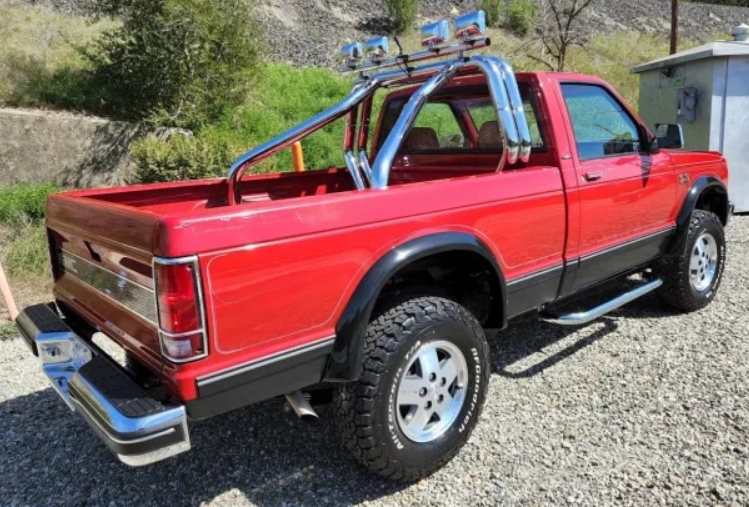
The Chevrolet S10, an emblem of American automotive ingenuity, has left an indelible mark in the compact pickup truck market since its introduction in the early 1980s. From its inception to its discontinuation, the S10 underwent significant transformations, adapting to changing consumer needs and advancing technology. This article will explore the evolution of the Chevrolet…
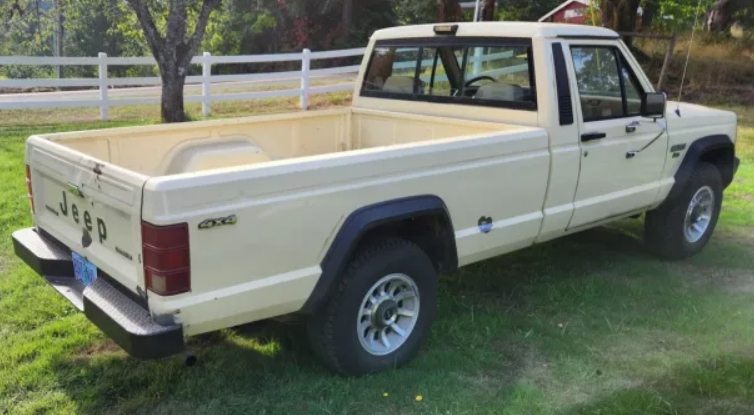
Introduction The Jeep Comanche is a unique chapter in the history of American pickup trucks, merging rugged utility with the adventurous spirit of Jeep. Produced by Chrysler under the Jeep brand from 1986 to 1992, the Comanche stands as a monument to the era of compact pickups. Drawing inspiration from its predecessor, the Cherokee SUV,…
The GMC S-15, a compact pickup truck that held its ground in a fiercely competitive market, represents a significant chapter in the history of American automaking. With its roots stretching back to the late 1980s, the S-15 was a testament to GMC’s commitment to innovation, quality, and customer satisfaction. This article traces the evolution of…
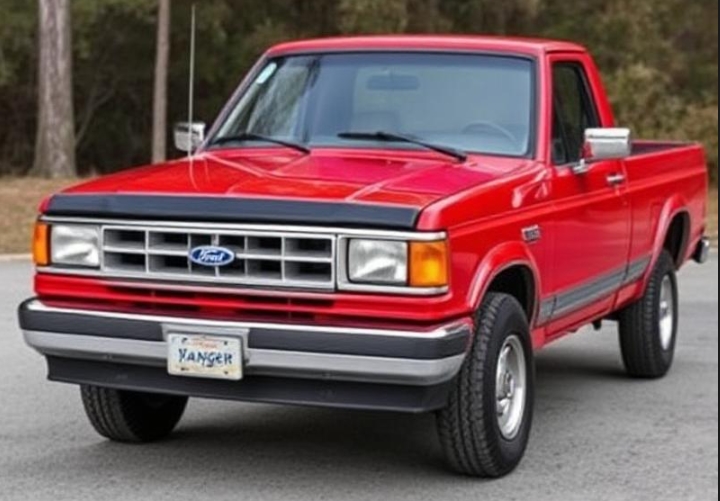
The Ford Ranger has carved its name into the annals of American automotive history as a staple in the compact pickup truck segment. Since its debut in 1982, the Ranger has established a loyal following thanks to its enduring design, reliability, and versatility. This article explores the evolution of the Ford Ranger, focusing on the…
The Chevrolet 454 SS Pickup has carved a niche in the automotive world, especially among enthusiasts who appreciate the union of muscle car performance and utility. Launched in the early 1990s, the 454 SS demonstrated what a pickup truck could be when performance is prioritized alongside practical capabilities. This article delves into the history, evolution,…
The Chevrolet Xtreme Pickup, an iconic small truck, holds a special place in the hearts of Chevrolet enthusiasts. Known for its sporty style, ruggedness, and appeal to younger consumers, the Xtreme Pickup provides a rich tapestry of design and functionality. This article delves into the evolution of the Chevrolet Xtreme Pickup, exploring its production years,…
The Chevrolet C/K series of pickup trucks has established itself as an iconic vehicle in the American automotive landscape, representing strength, reliability, and adaptability over several decades. This series was produced from 1960 until 1998, evolving through various designs, technologies, and market demands. In this article, we will examine the prominent models and trim levels…
The Chevrolet Colorado, a name synonymous with reliable mid-size pickup trucks, has carved a significant niche in the automotive landscape. From its debut as a successor to the S-10 to its current generation, the Colorado has consistently offered a blend of practicality, capability, and affordability, making it a popular choice for both work and play….
The Toyota Hilux, a name synonymous with rugged reliability, unwavering durability, and a go-anywhere attitude, has etched itself into the global automotive landscape. From its humble beginnings in 1968 as a compact pickup truck to its current status as a global icon, the Hilux has undergone a remarkable evolution, adapting to changing consumer needs, technological…
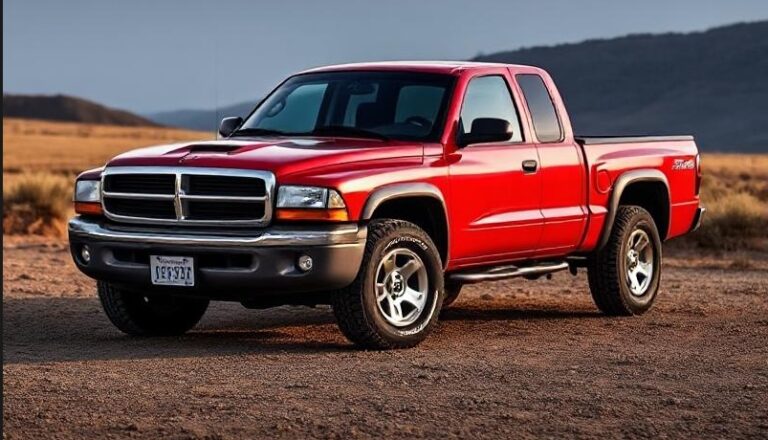
The Dodge Dakota holds a special place in the automotive landscape, often regarded as a pioneer in the mid-size pickup segment. The vehicle first rolled off assembly lines in 1986 as a significant advancement in truck design, catering to consumers who sought the balance between compact utility and full-sized capability. Over the years, Dodge evolved…
The Ford Bronco is one of Americaโs most iconic vehicles, revered for its ruggedness, versatility, and spirit of adventure. Over the decades, it has evolved from a simple, utilitarian vehicle into a sophisticated off-road SUV, all while preserving its original charm. From its debut in the 1960s to its recent revival, the Bronco has captivated…
Scroll to top
Scroll to top