The Evolution of the Baojun Valli: Reinventing the Affordable Station Wagon in China
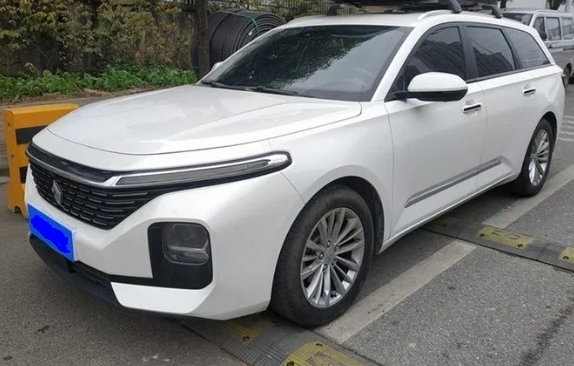
The Baojun Valli is a compact station wagon produced by SAIC-GM-Wuling (SGMW) under the Baojun brand. Introduced in 2021, the Valli represents a rare modern attempt to revive the station wagon format in China’s passenger car market—traditionally dominated by sedans and SUVs.
Although its production life was relatively short, the Valli is significant for its role in Baojun’s transition away from its earlier alphanumeric naming strategy and toward more lifestyle-oriented branding. This article explores the origins, development, trim levels, and eventual discontinuation of the Baojun Valli, along with its broader impact and future outlook.
Origins: From Baojun RC-5W to Valli
To understand the Baojun Valli, it is necessary to examine its predecessor, the Baojun RC-5W, which debuted in 2020 as the wagon variant of the RC-5 liftback.
The RC-5/RC-5W lineup was part of Baojun’s “New Baojun” strategy, which introduced a modern design language and a new naming convention using letter-number combinations. The RC-5W wagon launched in August 2020 as an affordable family-oriented vehicle, offering practicality and large cargo space at a low price point.
However, the RC-5W struggled in the marketplace. Sales were underwhelming, leading Baojun to withdraw the model shortly after launch and reconsider its positioning.
In response, Baojun reintroduced the vehicle in mid-2021 with a new name and revised strategy: the Baojun Valli.
.
MANY auto lovers not only spend time in their garages to tinker on their autos, but have other projects going on in there as well. Wood working is a popular pastime for the creative type of individual. Not sure what to make next? Or thinking about getting into this kind of hobby? There’s lots of possibilities… Here’s some of them…

.
2021: Launch of the Baojun Valli
Production Start: March–June 2021
Market Launch: June 2021
Production Period: 2021–2022 (primary market availability)
The Baojun Valli officially entered the market in June 2021 as a rebranded and updated version of the RC-5W.
The new name “Valli” marked a departure from Baojun’s alphanumeric naming system, reflecting a broader brand shift toward more emotional, lifestyle-oriented branding.
Positioning
The Valli was marketed as:
- A budget-friendly station wagon
- A practical alternative to compact SUVs
- A lifestyle vehicle aimed at young families and small businesses
2021 Model Lineup and Trim Levels
At launch, the Baojun Valli was offered with a range of trims that largely mirrored the structure of the RC-5W, though with updated naming and packaging.
Core Powertrain Options
All Valli models used internal combustion engines:
- 1.5L naturally aspirated inline-4
- 1.5L turbocharged inline-4 (147 hp)
- Transmission options:
- 6-speed manual
- CVT automatic
Front-wheel drive was standard across all variants.
2021 Trim Levels
The Valli lineup typically included four main trim levels (exact naming varied slightly depending on market materials):
- Standard / Base Variant
- Comfort / Enjoyment Edition
- Premium / Deluxe Edition
- Flagship / Intelligent Edition
These trims were not always consistently labeled in English-language sources, but they reflected a clear hierarchy of features.
Trim Differences
- Base Models
- Manual transmission availability
- Basic infotainment
- Cloth seating
- Mid-Level Trims
- CVT transmission
- Larger infotainment screens
- Improved interior materials
- High-End Trims
- Advanced driver assistance systems
- Panoramic sunroof
- Enhanced connectivity and safety features
Pricing ranged approximately from 72,800 to 112,800 yuan, making the Valli one of the most affordable wagons in its segment.
Design and Practical Features
The Baojun Valli retained the Interstellar Geometry design language introduced with the RC-5, featuring:
- A wide grille with horizontal elements
- Slim LED headlights
- Fastback-inspired wagon profile
Interior and Utility
One of the Valli’s defining features was its practicality:
- Cargo capacity exceeding 470 liters with seats up
- Up to 1620 liters with seats folded
- Roof rack for additional storage
- Reclining rear seats with enhanced comfort
These attributes positioned the Valli closer to a compact MPV in usability, despite its wagon form.
2022: Final Production Year
Production Status: Continued into 2022
Discontinuation: By late 2022 (China market)
The Baojun Valli remained on sale through 2022, but no major updates or facelifts were introduced during its lifecycle.
Reasons for Discontinuation
Several factors contributed to the Valli’s relatively short production run:
- Market Preferences
Chinese consumers overwhelmingly favored SUVs and crossovers over station wagons. - Brand Transition
Baojun began shifting toward electric vehicles, reducing focus on internal combustion models. - Strategic Realignment
The brand moved away from its earlier lineup, discontinuing many ICE vehicles within a few years.
Evolution Summary
2020 (Predecessor Phase)
- RC-5W introduced as wagon variant
- Struggled in market
2021 (Rebirth as Valli)
- Renamed and repositioned
- Expanded trim structure
- Lifestyle-focused marketing
2022 (End of Lifecycle)
- Continued sales without major updates
- Gradual discontinuation
Engineering and Platform
The Baojun Valli was built on the same platform as the RC-5 sedan, sharing:
- 2700 mm wheelbase
- Front-engine, front-wheel-drive layout
- Lightweight construction
This platform allowed Baojun to keep costs low while offering competitive interior space.
Market Position and Competitors
The Baojun Valli occupied a niche segment in China’s automotive market.
Key Competitors
- Geely Emgrand GS (hatchback/crossover)
- Roewe Ei5 (electric wagon)
- Entry-level compact SUVs
Competitive Advantages
- Extremely affordable pricing
- High practicality and cargo space
- Unique wagon body style
Limitations
- Lack of electrified powertrains
- Limited brand prestige
- Declining interest in wagons
Significance in Baojun’s Brand Evolution
The Baojun Valli played an important transitional role for the brand:
1. Naming Strategy Shift
It was among the first Baojun models to abandon the “RC/RS” naming scheme in favor of a proper name.
2. Lifestyle-Oriented Marketing
The Valli emphasized travel, outdoor use, and practicality—setting the stage for later lifestyle-focused EVs like the Yep.
3. End of ICE Era
It was one of the final internal combustion models before Baojun pivoted almost entirely to electric vehicles.
Future Outlook
Although the Baojun Valli itself is no longer in production, its legacy continues to influence Baojun’s direction.
1. Shift to Electrification
By 2023, Baojun had transitioned heavily toward EVs, introducing models such as:
- Yep (compact electric SUV)
- Yunduo (electric hatchback)
- Yunhai (electric/PHEV SUV)
This shift makes a direct successor to the Valli unlikely in its original ICE form.
2. Potential for Electric Wagons
While the Valli was discontinued, the concept of an affordable wagon could return as:
- A fully electric estate vehicle
- A lifestyle-oriented EV with expanded cargo capabilities
Given the global resurgence of interest in practical EV body styles, this remains a possibility.
3. Influence on Future Design
Elements of the Valli’s design philosophy—particularly its focus on usability and lifestyle—are evident in newer Baojun vehicles.
The Baojun Valli represents a unique chapter in the evolution of China’s automotive market. Produced from 2021 to 2022, it was a reimagined version of the RC-5W wagon, designed to offer affordability, practicality, and a fresh brand identity.
Key Takeaways
- Origins: Derived from the RC-5W (2020)
- Production: 2021–2022
- Body Style: 5-door station wagon
- Trim Levels: Four main trims, ranging from base to flagship
- Powertrain: 1.5L naturally aspirated and turbocharged engines
Despite its strengths, the Valli ultimately struggled in a market dominated by SUVs and shifting rapidly toward electrification. However, its role in Baojun’s transformation—from a budget ICE brand to a forward-looking EV manufacturer—ensures its place in the brand’s history.
In retrospect, the Baojun Valli was both an experiment and a transition: a final expression of Baojun’s internal combustion era, and a stepping stone toward its electric future.