The Evolution of the BYD Tang: From Plug-In Pioneer to Global Electrified SUV
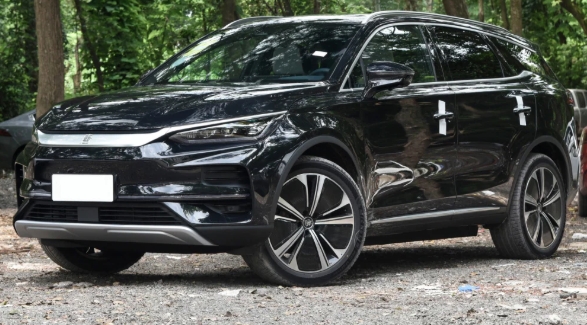
The BYD Auto Tang is one of the most significant vehicles in the modern evolution of electrified SUVs. Introduced as part of BYD’s “Dynasty” lineup, the Tang has transformed from a niche plug-in hybrid into a globally exported, technologically advanced mid-size SUV offered in hybrid and fully electric forms. Since its launch in 2015, the Tang has gone through multiple generations, facelifts, and drivetrain expansions, reflecting both rapid advancements in EV technology and BYD’s ambitions in global markets.
Origins and Background (Pre-2015 Development)
Before the Tang, BYD had already established itself as a leader in electrification with models like the Qin sedan. The Tang was developed as the brand’s flagship SUV within the Dynasty series, replacing earlier gasoline-based SUVs such as the S6 and S7.
The vehicle’s name references the Tang Dynasty, symbolizing prosperity and technological achievement—qualities BYD aimed to embody in its new SUV line.
.

.
First Generation BYD Tang (2015–2018)
The first-generation Tang debuted at the Beijing Auto Show in 2014, with retail sales beginning in June 2015.
Production Years
- 2015–2018
Powertrain and Layout
- Plug-in hybrid only (DM system)
- 2.0-liter turbocharged gasoline engine paired with electric motors
- Combined output exceeding 500 horsepower in performance variants
This early Tang was notable for its performance, often marketed as a high-performance hybrid SUV capable of sports-car-like acceleration.
Trim Levels and Variants
The first-generation Tang had a relatively simple lineup compared to later models:
- Tang DM Base
- Tang DM Performance (often referred to as “Ultimate” or high-performance variants)
These trims primarily differed in power output, drivetrain tuning, and equipment levels rather than distinct naming conventions.
Key Features
- All-wheel drive standard
- Approximate electric-only range of 30–50 miles (depending on conditions)
- Early adoption of lithium iron phosphate battery technology
Market Reception
The first-generation Tang quickly became one of China’s best-selling plug-in hybrid SUVs, establishing BYD as a serious competitor in the electrified vehicle market.
Second Generation BYD Tang (2018–Present)
The second-generation Tang marked a major leap forward. It debuted in April 2018 at Auto China and introduced a completely redesigned platform, modern styling, and expanded powertrain options.
Production Years
- 2018–Present
Major Variants Introduced
Unlike the first generation, the second-generation Tang expanded into multiple drivetrain categories:
- Tang DM (Plug-in Hybrid)
- Tang EV (Battery Electric Vehicle)
- Tang ICE (Gasoline, limited availability in early years)
Second Generation (Initial Phase: 2018–2020)
Key Models and Trims
During its initial release, the second-generation Tang was offered in:
- Tang DM AWD
- Tang EV600 / EV600D (electric variants)
Technical Highlights
- Introduction of BYD’s “Dragon Face” design language
- Larger body and more premium interior
- Battery capacities around 82.8 kWh for EV models
Trim Structure
Typical trims included:
- Base
- Mid-level
- High-spec luxury variants
However, BYD often structured trims around drivetrain and battery combinations rather than fixed names.
Facelift and Expansion (2020–2022)
The Tang received updates in 2020 and again in 2022, refining both technology and design.
New and Updated Variants
- Tang DM (updated hybrid system)
- Tang EV (improved range and battery tech)
- Introduction of Blade Battery technology
Trim and Powertrain Range
Expanded configurations included:
- 1.5T DM-i (efficiency-focused hybrid)
- 2.0T DM (performance hybrid)
- EV variants with multiple battery sizes
These updates reflected BYD’s shift toward efficiency and safety, particularly with the introduction of its Blade Battery system.
Second Generation Facelift (2022–Present)
The 2022 facelift marked the most diverse and technologically advanced phase of the Tang lineup.
Expanded Trim Levels and Models
Across global and Chinese markets, the Tang lineup included:
Plug-in Hybrid (DM Series)
- DM-i (efficiency-oriented hybrid)
- DM-p (performance-oriented hybrid)
- Multiple power outputs (approx. 200 hp to over 600 hp combined)
Battery Electric (EV Series)
- Standard range EV
- Long-range EV (up to ~108.8 kWh battery)
- Dual-motor AWD performance versions
Special Editions
- “Honor Edition” (high-performance hybrid variant)
- Market-specific trims with varying equipment packages
Global Market Expansion
- Entered Europe (notably Norway) in 2021
- Positioned as a premium electric SUV in international markets
Detailed Trim Overview (All Years Combined)
Across its lifecycle, the BYD Tang has included the following major trim and model families:
First Generation (2015–2018)
- Tang DM Base
- Tang DM Performance
Second Generation (2018–2020)
- Tang DM AWD
- Tang EV600 / EV600D
- Tang ICE (limited)
Facelift and Modern Range (2020–Present)
- Tang DM-i (efficiency hybrid)
- Tang DM-p (performance hybrid)
- Tang EV (standard and long range)
- Tang EV AWD performance
- Special editions (Honor/Champion variants depending on market)
The Tang L and Expanding Lineup (2025–Present)
In 2025, BYD introduced a larger and more advanced variant:
BYD Tang L
- Production: 2025–Present
- Available as EV and plug-in hybrid
- Positioned above the standard Tang
The Tang L represents BYD’s move toward larger, more premium SUVs with cutting-edge performance and ultra-fast charging capabilities.
Future Developments: Tang 9 and Beyond
BYD continues to expand the Tang family. A new flagship model, tentatively known as the Tang 9 (or “Datang”), is expected to debut in 2026.
Key Expectations
- Full-size SUV positioning
- Advanced electrified platforms
- Further integration of autonomous and smart driving technologies
Technology and Innovation
The Tang has served as a technological showcase for BYD:
Battery Technology
- Early lithium iron phosphate batteries
- Introduction of Blade Battery, emphasizing safety and longevity
Hybrid Systems
- DM (Dual Mode) performance hybrids
- DM-i (efficiency-focused)
- DM-p (performance-focused AWD systems)
Performance
- Some variants exceed 600 horsepower
- Competitive acceleration for a mid-size SUV
Safety and Reliability
The Tang has achieved strong safety credentials in recent years, including high ratings in European crash testing.
However, like many rapidly evolving EV models, it has also faced challenges:
- Recalls for early production models (2015–2017) due to component issues
- Software and update limitations noted by some users
Market Impact and Sales Growth
The BYD Tang has experienced significant sales growth, particularly in China:
- Strong early adoption in the plug-in hybrid segment
- Rapid expansion with EV variants
- Sales exceeding 100,000 units annually in recent years
The model has also played a key role in BYD becoming one of the world’s leading electric vehicle manufacturers.
Future Outlook
The future of the Tang lineup appears strong, with continued innovation expected in:
- Battery technology (longer range, faster charging)
- Autonomous driving systems
- Expanded global availability
With models like the Tang L and upcoming flagship SUVs, BYD is clearly positioning the Tang family as a cornerstone of its premium electrified offerings.
The BYD Tang’s evolution from a single plug-in hybrid model in 2015 to a diverse family of hybrid and electric SUVs highlights the rapid pace of change in the automotive industry. Through multiple generations, facelifts, and technological advancements, the Tang has remained at the forefront of BYD’s innovation.
Offering a wide range of trims—from efficient DM-i hybrids to high-performance DM-p variants and long-range EVs—the Tang has successfully adapted to shifting consumer demands and regulatory landscapes. As BYD continues to expand globally, the Tang stands as a defining example of how Chinese automakers have transformed from domestic players into global leaders in electrified mobility.