The Nissan Pixo: A Tale of Two Cities and a Tiny Car’s Evolution
In the ever-evolving landscape of automotive design, some vehicles arrive with a bang, destined for iconic status. Others, however, carve out their niche with quiet competence, serving a specific purpose for a particular market. The Nissan Pixo falls firmly into the latter category. Though not a household name in the same vein as some of its larger Nissan siblings, the Pixo represents a fascinating chapter in the company’s history, particularly in its engagement with the European market and its approach to affordable, compact motoring. Its story is less about dramatic reinvention and more about subtle refinement and adaptation, a journey that spanned a relatively short but significant period.
The Genesis: A Global Partnership Blooms (2009-2013)
The Nissan Pixo first graced European shores in 2009, emerging not from Nissan’s own design studios as a standalone project, but as a result of a strategic collaboration. At the dawn of the new millennium, the global automotive industry was increasingly driven by platform sharing and joint ventures, a trend perfectly embodied by the Pixo. Its roots lie in a partnership between the Renault-Nissan Alliance and Suzuki Motor Corporation, a Japanese powerhouse renowned for its expertise in producing small, fuel-efficient, and affordable vehicles.
In essence, the Nissan Pixo was a badge-engineered version of the Suzuki Alto, a car that had a long and successful history in Japan and other markets. This arrangement allowed Nissan to quickly introduce a competitive entry-level model into European showrooms without the immense cost and time investment of developing a completely new platform from scratch. It was a pragmatic solution to a market demand for smaller, more economical cars, especially in the wake of rising fuel prices and increasing environmental consciousness.
.
THIS is GOOD stuff if your car is in need:

.
The Pixo’s Debut: Simplicity and Purpose (2009)
When the Pixo launched in 2009, its positioning was clear: it was an urban runabout, designed to be nimble, easy to park, and inexpensive to run. Its dimensions were deliberately compact, measuring just 3,560 mm in length, 1,600 mm in width, and 1,490 mm in height. These proportions made it ideal for navigating congested city streets and squeezing into tight parking spaces.
Underneath its unassuming exterior, the Pixo was powered by a modest yet effective 1.0-liter three-cylinder petrol engine, a unit that prioritized fuel efficiency over outright performance. This engine produced around 68 horsepower, sufficient for its intended purpose of urban commuting. Transmission options typically included a standard five-speed manual gearbox, with an automatic transmission often available as an option in higher trim levels.
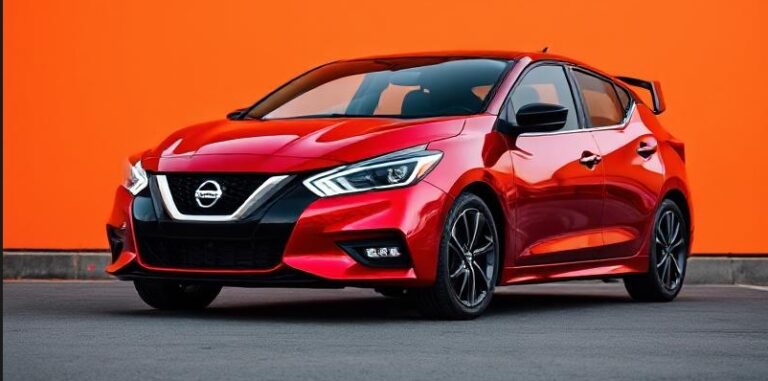
The exterior design of the Pixo was characterized by its simplicity. It featured a relatively upright profile, a short bonnet, and a compact rear. While not overtly stylish, it possessed a friendly and approachable aesthetic. The front end was defined by a familiar Nissan grille, flanked by straightforward headlamps. The overall impression was one of practicality and unpretentious functionality.
Trim Levels: Catering to Basic Needs and a Touch of Comfort
Nissan understood that even in the budget car segment, customers appreciated choices. Therefore, the Pixo was offered in a few distinct trim levels, each aiming to strike a balance between cost and features.
- Visia (or equivalent base trim): This was the entry-level offering, designed to be as affordable as possible while still meeting basic safety and functional requirements. Features would typically include essential items like power steering, airbags (usually driver and passenger), anti-lock braking system (ABS), and perhaps electric front windows. Air conditioning and a basic audio system might have been optional extras or absent altogether in the absolute base model.
- Acenta (or equivalent mid-range trim): Moving up a notch, the Acenta trim introduced a few more creature comforts. This level would likely include standard air conditioning, a more comprehensive audio system with CD player and possibly auxiliary input, body-colored door mirrors and handles, and potentially more interior trim enhancements. Alloy wheels might also have been introduced at this level or as an option.
- N-Tec (or equivalent top-tier trim): The N-Tec represented the highest specification available for the Pixo. This trim would aim to offer a more polished and feature-rich experience within the Pixo’s compact confines. Expect to find standard alloy wheels, electric rear windows, perhaps chrome interior accents, and a more advanced audio system. The N-Tec might also have included fog lights and other exterior styling cues to differentiate it from lower trims.
It’s important to note that the exact naming and specification of trim levels could vary slightly by market within Europe. However, the general philosophy of offering a progressively better-equipped vehicle remained consistent.
The Pixo’s Life Cycle: A Brief but Productive Stint
The Nissan Pixo’s journey in Europe was relatively short, lasting from 2009 until its discontinuation around 2013. During this period, Nissan made some minor updates and adjustments, but the core of the vehicle remained consistent with its Suzuki Alto origins.
Key features and selling points of the Pixo throughout its production:
- Fuel Efficiency: The 1.0-liter engine was lauded for its impressive fuel economy, making it a cost-effective choice for daily commuting.
- Low Running Costs: Beyond fuel, insurance premiums, road tax, and maintenance costs were generally low, further enhancing its appeal to budget-conscious buyers.
- Urban Agility: Its compact size, tight turning circle, and light controls made it supremely adept at navigating city traffic and parking.
- Safety: While not a premium vehicle, Nissan ensured the Pixo met contemporary safety standards, offering essential safety features like airbags and ABS.
- Practicality: Despite its small exterior, the Pixo offered surprisingly usable interior space for its class, with a decent boot capacity that could be expanded by folding the rear seats.
Evolutionary Tweaks and Refinements (Subtle but Important)
While the Pixo didn’t undergo massive redesigns, there were subtle evolutions and refinements during its production run. These typically focused on improving efficiency, updating interior features, and responding to market feedback.
- Emissions Improvements: As with all vehicle manufacturers, Nissan would have strived to meet evolving emissions standards over the Pixo’s lifespan. This could have involved minor engine tuning or software updates to optimize combustion and reduce exhaust pollutants.
- Interior Updates: Subtle changes to interior trim materials, dashboard layouts, or the infotainment system might have been introduced to keep the cabin feeling reasonably fresh. For example, a later model might have seen the introduction of USB connectivity or Bluetooth as standard on higher trims.
- Exterior Detailing: Minor cosmetic tweaks, such as revised wheel designs or updated badging, could have been implemented to keep the Pixo looking current.
- Optional Packages: Nissan might have offered different optional equipment packs at various points in the Pixo’s life, allowing customers to further customize their vehicles with features like enhanced audio systems, parking sensors, or more advanced safety aids.
The End of an Era: A Strategic Shift
The decision to discontinue the Nissan Pixo around 2013 was likely driven by several factors. Firstly, the automotive market was shifting. The demand for smaller city cars remained, but manufacturers were also looking towards more technologically advanced and increasingly electrified options. Secondly, the Pixo’s reliance on the Suzuki Alto meant that its future was somewhat tied to Suzuki’s own product cycle and strategic decisions.
Furthermore, Nissan was also focusing on its own distinct models and future technologies, such as the burgeoning electric vehicle market with the Leaf. The Pixo, as a badge-engineered product, might have fallen outside of Nissan’s longer-term strategic vision.
Legacy and Impact
The Nissan Pixo, though perhaps not a groundbreaking automotive icon, played a valuable role during its time on the market. It provided an affordable and practical entry point into Nissan ownership for a segment of consumers who prioritized economy and ease of use. It was a testament to the effectiveness of strategic partnerships in the automotive industry, allowing Nissan to quickly fill a gap in its European lineup.
For many owners, the Pixo was simply a reliable and economical tool for getting from A to B. It served its purpose admirably, offering a no-nonsense driving experience that was ideal for the urban environment. Its legacy lies not in dramatic design or exhilarating performance, but in its quiet competence and its contribution to Nissan’s diverse product offering in a competitive European market.
In conclusion, the Nissan Pixo’s evolution, while understated, reflects the practical realities of car manufacturing in the 21st century. From its Suzuki roots to its various trim levels and subtle refinements, it represents a pragmatic approach to providing affordable, efficient, and functional motoring. The Pixo may have left the stage relatively quickly, but it carved out its niche and served a purpose, a small car with a significant, albeit quiet, story to tell.