The Triumph 1300: Evolution of a Forward-Thinking British Saloon
The Triumph 1300 was a landmark vehicle for the British carmaker Triumph, representing a bold departure from its traditional rear-wheel-drive roots toward a more modern, front-wheel-drive configuration. Produced between 1965 and 1970, the 1300 was designed to combine contemporary packaging and everyday practicality with the refinement expected of the Triumph marque. Although its production run was relatively short, the 1300’s engineering and design influenced a generation of compact Triumph saloons and underpinned the company’s later products.
Origins: Why the Triumph 1300 Was Developed
In the early 1960s, Triumph recognized the need to compete more effectively with modern compact cars like the Morris 1100 and others that were redefining small-family car design with front-wheel-drive layouts. Up until that point, Triumph’s small car efforts had centered on the Triumph Herald, a rear-wheel-drive model notable for its simple engineering and separate chassis. A more sophisticated and contemporary vehicle was needed, and this led to the development of what would become the Triumph 1300.
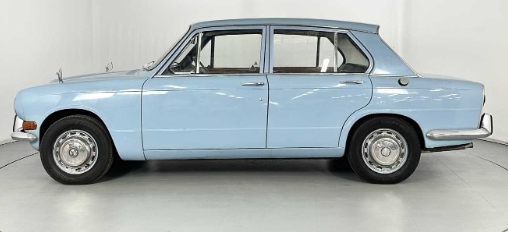
The body was penned by renowned Italian stylist Giovanni Michelotti, giving the 1300 a fresh, modern appearance that echoed the family-car design cues of its era. Its design was significantly influenced by the larger Triumph 2000 saloon, lending the compact 1300 a more upmarket demeanor than many of its rivals.
Production and General Overview (1965–1970)
The Triumph 1300 was unveiled at the London Motor Show in October 1965 and went on sale shortly thereafter. From its launch, it stood out as an advanced design for Triumph and British cars generally because of its front-wheel-drive layout, which was still relatively uncommon among mainstream saloons at that time. All mechanical components were packaged neatly into a transverse front-engine, front-wheel-drive arrangement that helped maximize interior space and offered predictable road manners.
Production of the 1300 ran from 1965 to 1970, with 113,008 units of the standard 1300 built, and 35,342 examples of the sportier 1300TC variant produced during the same period, according to Triumph production records.
Although never officially designated a “generation” in Triumph marketing, the 1300 underwent incremental improvements throughout its life — including trim enhancements and the introduction of the performance-oriented TC model — before being replaced in 1970 by the enlarged Triumph 1500.
.

.
Technical Characteristics and Engineering
Underneath its body, the Triumph 1300 was powered by a 1,296 cc four-cylinder OHV engine derived from the Triumph Herald 13/60. The single overhead-valve configuration was simple and reliable, delivering modest power figures appropriate for a compact saloon of its era.
The power from the engine was sent through a four-speed all-synchromesh manual transmission driving the front wheels — a layout that was still quite forward-looking in the mid-1960s. Suspension was independent at both ends, with double wishbones up front and semi-trailing arms at the rear. Disc brakes at the front and drums at the rear provided adequate stopping performance for the time.
Steering was rack-and-pinion, giving the car communicative and responsive handling relative to its contemporaries. The overall package prioritized ease of use, practicality, and comfort, making the 1300 a solid choice for families and urban commuters alike.
Trim Levels and Variants
While the Triumph 1300 was offered primarily as a single model, it was marketed in multiple variants that reflected different performance and equipment levels.
1300 (Standard Model)
The base model represented Triumph’s vision of a refined, compact saloon that could compete in the increasingly crowded small car market. Standard features included comfortable seating, an adjustable steering column, independent suspension, and a wood-trimmed dashboard suggested in period literature — all geared toward a comfortable and upscale experience compared to many rivals.
1300TC (Twin Carburettor Performance Variant)
In 1967, Triumph introduced the 1300TC (“Twin Carburetor”). This upgraded variant employed the more spirited twin-SU carburetor engine from the Triumph Spitfire sports car, resulting in enhanced performance — around 75 bhp and a top speed approaching 90 mph in period tests. The TC delivered noticeably better acceleration than the standard model and provided a sportier driving experience while maintaining the same comfortable saloon characteristics.
The 1300TC also featured discrete “TC” badging and subtle trim cues that set it apart from the standard model. Mechanically, it retained the same robust front-wheel-drive architecture but made the most of the increased breathing and power of its tuned engine.
Evolution and Transition to the 1500
By 1970, Triumph saw a need to refresh and expand the 1300’s market appeal. Engine displacement was increased to 1,493 cc, creating what became the Triumph 1500 — a larger, more torquey successor that provided improved everyday performance and comfort. The 1300’s front-wheel-drive configuration was initially retained for the 1500, though subsequent derivatives switched to rear-wheel drive as Triumph’s strategy evolved in the 1970s.
During its production life, the 1300’s platform influenced several future Triumph models: after the 1300 was discontinued, its architecture was re-engineered into the Triumph Toledo and later the Triumph Dolomite saloon families — albeit with rear-wheel-drive layouts.
Market Reception and Legacy
At launch, the Triumph 1300 received praise for its engineering ambition and comfortable ride, particularly in the context of British small cars of the era. Its Ford-like level of practicality combined with refined interior appointments helped it stand out among its contemporaries. While not a strong seller by mainstream volume standards, it cemented Triumph’s reputation as an innovator willing to adopt front-wheel drive early and blend performance with everyday usability.
Triumph’s decision to offer the 1300TC variant with twin carburettors and enhanced performance helped broaden the model’s appeal, attracting buyers who wanted a more lively resume without stepping into pure sports car territory.
Today, surviving Triumph 1300s are cherished by classic car enthusiasts for their unique position in British automotive history. Their combination of Michelotti styling, front-wheel-drive practicality, and classic British character make them interesting collector pieces. Values remain reasonable compared to many other 1960s classics, but well-preserved examples are appreciated for their authenticity and historical relevance.
Future Outlook and Historical Importance
Although the Triumph brand ceased producing cars in the early 1980s and no direct successor to the 1300 exists, the car’s influence resonates in the development of later Triumph saloons. Its front-wheel-drive layout was ahead of its time for the British market and presaged a broader industry shift that would become standard practice in decades to follow.
In historical terms, the 1300 occupies an important niche — bridging the gap between Triumph’s older rear-wheel-drive small cars like the Herald and the more complex Dolomite range that succeeded it. For students of automotive history, it is a representative example of mid-20th-century British engineering striving to remain competitive in an era of rapid change.
From a future outlook perspective, the 1300’s collectors’ status may grow as enthusiasts continue to rediscover lesser-known British front-wheel-drive pioneers. With restoration expertise and community support for classic Triumph models remaining steady, the 1300 is likely to retain its niche appeal for years to come.
The Triumph 1300 was a forward-looking small saloon produced from 1965 to 1970, notable for its front-wheel-drive layout, Michelotti-styled body, and engineering ambition within the compact car class. Though only offered in two main variants — the standard 1300 and the performance-tuned 1300TC — its influence went beyond its own lifespan, shaping later Triumph models and illustrating the marque’s willingness to innovate. While production ceased over five decades ago, the 1300’s legacy as a distinctive British classic endures among enthusiasts.