The Evolution of the Hyundai Lavita: From City MPV to Global Compact Wagon
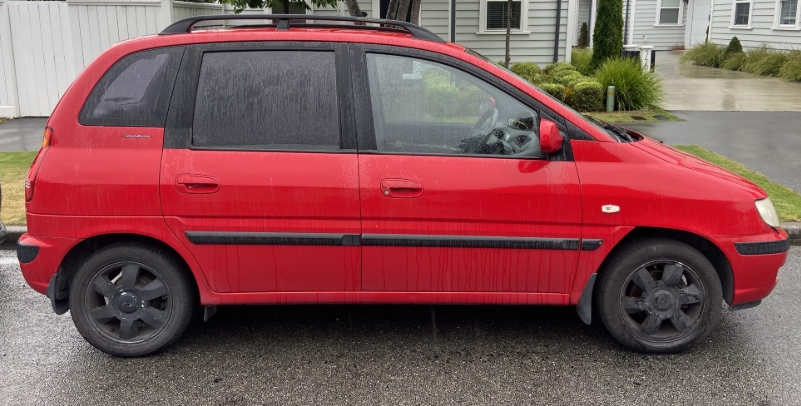
The Hyundai Lavita is a compact multipurpose vehicle (MPV) that played a significant role in Hyundai’s early-2000s global expansion, particularly in the small family car segment. Produced from 2001 to 2010, the Lavita brought practicality, flexible seating, and a range of engine options to buyers seeking the versatility of an MPV within a compact footprint. Known in many regions as the Hyundai Matrix — and as the Hyundai Elantra LaVita in Australia — this model combined sensible design, everyday usability, and Hyundai’s growing reputation for value and reliability.
Origins and Market Introduction
The Hyundai Lavita was unveiled in August 2001 as a compact 5-door, 5-seat hatchback/MPV built on the Hyundai J3 platform shared with the Elantra (XD). Designed by the Italian firm Pininfarina, the Lavita featured a distinctive profile with a tall roofline and expansive cabin space — traits that made it competitive against other compact family cars in Europe and Asia.
Unlike traditional vans, the Lavita prioritized urban practicality with easy ingress/egress, a flexible interior layout, and a choice of economical petrol and diesel engines. It was assembled in multiple locations worldwide, including Ulsan (South Korea), Turkey, Malaysia, Egypt, and Greece, reflecting its global appeal.
Production officially spanned from 2001 to 2010 across different markets, after which the model was succeeded by the Hyundai ix20 — a more modern compact MPV built on a newer platform.
.

.
Design, Architecture, and Features
The Lavita’s design focused on maximizing interior space without growing its footprint — roughly 4,025–4,060 mm in length, 1,740 mm in width, and around 1,625–1,685 mm in height depending on model year and trim. The wheelbase remained consistent at 2,600 mm, providing a stable base for a roomy cabin.
Inside, it featured a straightforward dashboard layout, flexible rear seating (with a 60/40 split-fold bench), and generously sized doors for ease of access. Cargo capacity ranged from around 350 liters with the rear seats in place to over 1,280 liters when folded — making it practical for luggage, errands, or weekend gear.
Suspension used MacPherson struts in front and a double wishbone layout rear, balancing ride comfort with responsive handling for city driving, while front-wheel drive was standard across all variants.
Engine Options and Powertrains
One of the Lavita’s strengths was its variety of available engines that catered to different regional market preferences:
Petrol Engines
- 1.5 L Alpha I4 — ~99–103 hp, paired with a 5-speed manual or 4-speed automatic.
- 1.6 L Alpha I4 — ~102 hp, available with manual or automatic gearboxes.
- 1.8 L Beta I4 — ~122–123 hp, offered with both manual and automatic transmissions.
Diesel Engines
- 1.5 L CRDi 82 hp turbo-diesel — efficient choice in Europe.
- 1.5 L CRDi 102 hp turbo-diesel — offered stronger performance and torque.
Transmission choices included 5-speed manuals, widely used in entry and mid-grade trims, and 4-speed automatics on higher-spec petrol models.
Generational Development and Facelifts
Technically, the Hyundai Lavita remained a single generation model despite running for nearly a decade. However, it underwent notable updates at key intervals that refreshed its look and feature set:
Phase I (2001–2005)
- Launch models with original styling and diverse engines.
- Offered basic and higher-trim levels depending on market, with features such as air conditioning, power accessories, and optional automatic transmissions.
Phase II (2005–2008)
- First facelift introduced refreshed front fascia and interior tweaks.
- Some markets saw minor updates to trim nomenclature and equipment.
Phase III (2008–2010)
- Second facelift presented at the 2008 Geneva Motor Show, with styling cues similar to Hyundai’s newer i30 hatchback.
- Exterior updates included refreshed headlights, grille and bumpers, and revised C-pillar window design.
Throughout these phases, the Lavita’s core identity as a versatile, practical MPV remained unchanged, even as trims and engines evolved.
Trim Levels and Configurations
Unlike many modern cars with clearly marketed trim names across all markets, the Lavita’s trim nomenclature varied by region. However, patterns can be distilled from global offerings:
Base / Entry-Level
- Typically included cloth upholstery, manual windows and mirrors, basic audio, and front airbags.
Mid-Level
- Added amenities like air conditioning, power windows, central locking, upgraded audio systems, and alloy wheels.
High-End / Premium
- Automatic transmission availability, better interior finishes, and optional features like sunroof or premium audio (varied by region).
Specific trim names such as GLS were used in certain European markets, often denoting higher standard equipment levels.
Because markets like Europe, Asia, Australia, and the Middle East used different naming conventions and options, an exact global trim list is complex; nonetheless, the progression generally saw functionality and comfort improve with each tier.
Market Reception and Legacy
The Hyundai Lavita/Matrix carved out a niche in the compact MPV segment during the 2000s by combining sensible design with flexible functionality. Competing against rivals like the Toyota Corolla Verso and Nissan Livina, it stood out for its practical packaging and affordability.
Families and city drivers appreciated its tall cabin, easy access, and versatile cargo layout — features that were easy to live with day-to-day. Diesel variants, particularly in Europe, offered strong fuel economy relative to competitors at the time.
By the time production concluded in 2010, the automotive landscape was shifting toward more modern platforms and designs. Hyundai replaced the Lavita/Matrix with the ix20 in Europe — a compact MPV built on a newer PB platform and sporting more contemporary styling and technology.
Future Outlook and Legacy Impact
Although the Hyundai Lavita ceased production over a decade ago, its legacy persists through its successor and the continued popularity of compact family vehicles. The ix20 and subsequent models carried forward the MPV ethos in a more modern form while adapting to evolving design and technology standards.
Today, the Lavita lives on primarily in the used car market. Enthusiasts and practical buyers often seek well-maintained examples for their reliability and utility. Spare parts and service information remain widely available due to the model’s global footprint and common architecture with the Elantra series.
While the automotive world has largely shifted away from compact MPVs toward crossovers and SUVs, the Lavita represents a key era in Hyundai’s product history — one where smart packaging and value helped the brand strengthen its global presence.
Conclusion: A Practical Global MPV Icon
The Hyundai Lavita (2001–2010) stands as a noteworthy chapter in Hyundai’s evolution, bringing MPV practicality to the compact segment with flexibility, thoughtful design, and a range of engine options that appealed across continents. Its multiple facelifts and adaptations reflect Hyundai’s responsiveness to market trends, while its replacement by the ix20 signaled a shift toward more modern vehicle architectures.
Though no longer in production, the Lavita’s legacy continues through its influence on subsequent compact people movers and its ongoing presence in global used car markets — a testament to its enduring practicality and appeal.