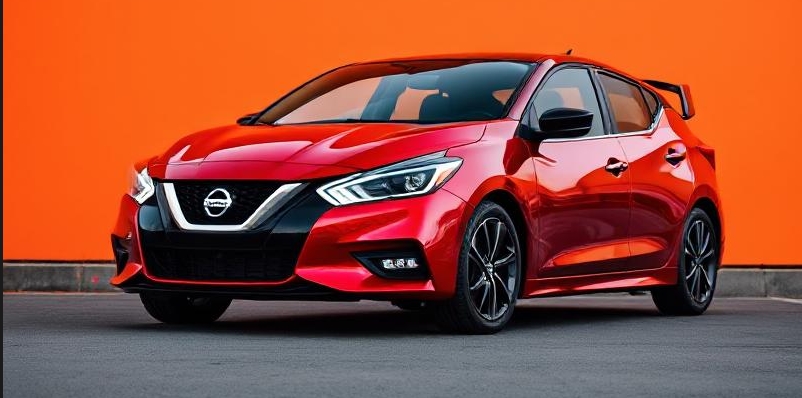
The Evolution of the Nissan Pulsar: A Comprehensive Look
The Nissan Pulsar represents one of the more enduring examples of Japanese automotive engineering, showcasing a remarkable evolution over several decades. Originally launched in the early 1980s, the Pulsar has seen various versions, trim levels, and design changes that reflect the changing demands of consumers and the automotive landscape. This article aims to provide a detailed overview of the Nissan Pulsar’s evolution, including its models, trim levels, and production years.
The First Generation (N13) – 1982 to 1986
The Nissan Pulsar made its debut in 1982 as a compact hatchback, designated as the N13 model. This generation was engineered to compete in the fast-growing small car segment. The design was innovative, featuring a modern hatchback layout paired with functionality.
Trim Levels:
- Pulsar E: The entry-level trim with basic features.
- Pulsar XE: An upgraded version that included more comfort features.
- Pulsar SSS: A sporty variant with enhanced performance and a more dynamic design element.
Under the hood, the first-generation Pulsar came equipped with a range of inline four-cylinder engines, providing a balance between efficiency and performance. The N13 was well-received, laying the groundwork for future models.
The Second Generation (N14) – 1990 to 1995
The second generation of the Pulsar, designated as the N14, was launched in 1990. Nissan sought to broaden its appeal, introducing more sedate design lines and a robust safety focus. This model was also praised for its reliability and solid build quality.
Trim Levels:
- Pulsar Q: Base model with standard features.
- Pulsar Si and SSS: Sportier versions featuring enhanced suspension and sport-tuned engines.
- Pulsar SLX: Positioned as a more premium offering with additional comfort and convenience features.
The N14 Pulsar achieved considerable success, especially in markets like Australia and Japan, where it was embraced by consumers seeking a dependable and sporty compact vehicle.
.

.
The Third Generation (N15) – 1995 to 2000
The N15 Pulsar arrived in 1995, showcasing a more rounded and aerodynamic design compared to its predecessor. This generation emphasized performance, reliability, and safety, making it very popular.
Trim Levels:
- Pulsar N15: Offered various configurations, which included a basic model and more equipped options.
- Pulsar SSS: A performance-focused model known for its sporty handling and powerful engines.
- Pulsar Q: Carried over from the previous generation with continued focus on comfort and value for money.
The N15 Pulsar also saw the introduction of a ‘GTi-R’ variant—a high-performance turbocharged model designed for rallying, which further cemented the Pulsar’s association with motorsport.
The Fourth Generation (N16) – 2000 to 2005
Entering the new millennium, the N16 Pulsar debuted in 2000 with a design that reflected Nissan’s contemporary styling cues. The interior became more spacious, and overall refinement levels were improved.
Trim Levels:
- Pulsar ST: The base model featuring essential equipment.
- Pulsar ST-L: Upgraded with additional comfort features.
- Pulsar Ti: Mid-range model with notable luxury and technology enhancements.
- Pulsar SSS: Continued to offer sporty performance options.
The N16 was sold globally, earning accolades for its practicality and efficiency. It was especially popular in Australia, where it was one of the most successful models in the compact car segment.
The Fifth Generation (C12) – 2012 to 2019
The C12 Pulsar represented a significant design overhaul and was first released in 2012 after a brief hiatus in some markets. This model aimed at the global market, particularly in regions like Asia and Australia.
Trim Levels:
- Pulsar ST: Base model with fundamental features tailored for daily driving.
- Pulsar ST-L: Added comfort and technology features for a more refined driving experience.
- Pulsar Ti: High-end trims with advanced infotainment systems and very comfortable interiors.
This generation of the Pulsar emphasized fuel efficiency and urban convenience, attracting a wider audience of young professionals and families.
The Nissan Pulsar’s Global Variants
Over the years, the Nissan Pulsar also saw varying names and configurations in different global markets. For example, in some regions, the vehicle was marketed as the Nissan Sunny or the Nissan Almera. These variations often shared the same platform and engineering but differed in features, trims, and sometimes design.
Notable Variants Include:
- Nissan Almera: Varied in market positioning and features in the Asian market.
- Nissan Sunny: A nameplate highly recognized in several regions that shared the same architecture as the Pulsar.
The Latest Developments and Future Prospects
In recent years, the Nissan Pulsar brand has seen fluctuating relevance. Despite the Pulsar’s success in past decades, the advent of crossovers and SUVs has overshadowed compact cars like the Pulsar.
To adapt to changing consumer preferences, Nissan has shifted its focus towards building more SUVs and electric vehicles. The Nissan Juke, Qashqai, and the Leaf have become more prominent in their lineup. The Pulsar has been put on the backburner in many markets, especially in North America, where it was not offered after the 2000s.
Conclusion
The Nissan Pulsar has undergone an extensive transformation since its introduction over four decades ago. From its humble beginnings as a compact hatchback to becoming a staple in the Nissan lineup, the Pulsar has showcased Nissan’s adaptability in the automotive world. Each generation brought new technology, design, and consumer-friendly features that resonated with car buyers.
While the future of the Pulsar remains uncertain given the shift in consumer preferences towards larger vehicles and electrification, its legacy as a dependable and adaptable compact car is firmly entrenched in automotive history. As the automotive industry continues to evolve, the innovations pioneered by the Pulsar model will likely continue to influence Nissan’s approach to design and manufacturing in a rapidly changing market.