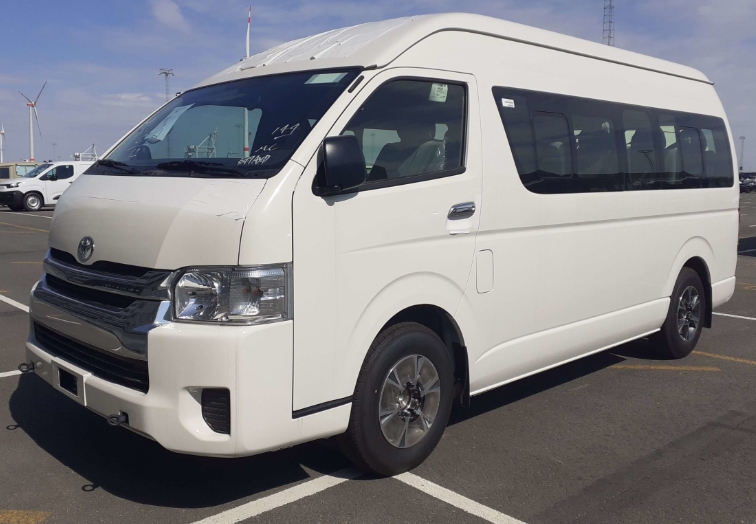
Toyota HiAce – A Comprehensive Look at the Van That Has Carried the World for Over Five Decades
When a vehicle can be found ferrying passengers across bustling Asian megacities, hauling cargo through the back‑roads of Europe, and serving as the mobile office for small‑business owners in South America, it has earned the title of a true global workhorse. The Toyota HiAce is exactly that kind of vehicle. Since its debut in 1967, the HiAce has been the backbone of fleets, families, and entrepreneurs alike, evolving from a modest, boxy van into a sophisticated, safety‑laden platform that still retains the practicality that made it famous. This article chronicles the HiAce’s 55‑year journey, outlines every generation, enumerates the myriad models and trim levels that have appeared across the world, and offers a glimpse of the future that awaits this iconic van.
1. A Brief History: From the H10 to the H300
| Year | Milestone | Key Takeaway |
|---|---|---|
| 1967 | Launch of the H10 (first‑generation HiAce) | 1.2 L 3‑cyl gasoline engine; 1 300 kg payload; boxy, utilitarian design. |
| 1973 | Facelift – H20 series | Larger doors, improved brakes, and the introduction of a diesel option (2.0 L 2‑cyl). |
| 1979 | Second‑generation (H30) introduced | More aerodynamic front end, 1.6 L gasoline and 2.4 L diesel engines. |
| 1982 | Third‑generation (H100) debut | First HiAce with a forward‑engine, rear‑wheel‑drive layout and a long‑wheelbase (LWB) version. |
| 1994 | HiAce Commuter (H100) – high‑capacity passenger version | Up to 15 passengers; compliance with Japanese “compact van” regulations. |
| 2004 | Fourth‑generation (H200) released | Modernized cabin, optional 4‑speed automatic, and the first “Super Long Wheelbase” (SLWB) for Asian markets. |
| 2019 | Facelift of the H200 (Euro‑style front) | Updated styling, LED lighting, advanced safety suite (Toyota Safety Sense). |
| 2020 | Fifth‑generation (H300) unveiled | Ground‑up redesign; modular interior, hybrid powertrain options, and a fully new chassis. |
| 2024‑25 | Future plans announced | All‑electric HiAce Concept, expanded hybrid range, and autonomous‑ready architecture. |
The HiAce’s naming convention is simple: “Hi” reflects the vehicle’s high roofline, while “Ace” evokes reliability and top‑class performance. Over the decades, Toyota has kept the core philosophy—practicality, durability, and low operating cost—while constantly refreshing the design language and technology stack.
2. Generational Overview
2.1 First Generation – H10/H20 (1967‑1979)
The original HiAce (model code H10) emerged as a direct competitor to the Nissan Cedric van and Mitsubishi Fuso Canter. Built on a ladder‑frame chassis, it featured a short front overhang and a high, flat roof that maximized interior volume. Power came from a 1.2‑liter 3‑cylinder gasoline engine (63 hp) and, later, a 2.0‑liter diesel (46 hp). The vehicle’s payload was modest—about 1 300 kg—but it set the template for the van’s characteristic boxy silhouette.
The 1973 H20 facelift added larger side doors, a revised grille, and a stronger rear axle. A 1.8‑liter gasoline unit (78 hp) and the 2.0‑liter diesel (46 hp) were made standard, giving the van enough torque for light‑commercial duties.
2.2 Second Generation – H30 (1979‑1982)
The H30 was the first HiAce to adopt a more rounded front end, borrowing styling cues from the contemporary Toyota Corona. Engine options broadened to include a 1.6‑liter gasoline (91 hp) and a 2.4‑liter diesel (71 hp). This generation also introduced a “van‑type” rear suspension (leaf‑spring) paired with a live rear axle, a configuration that would persist through most subsequent generations because of its robustness under heavy loads.
2.3 Third Generation – H100 (1982‑2004)
The H100 family is arguably the most beloved HiAce generation. It introduced a forward‑engine, rear‑wheel‑drive layout, separating the cabin from the cargo area more cleanly and improving ride comfort. Three wheelbases were offered:
| Wheelbase | Designation | Typical Use |
|---|---|---|
| Standard (2,500 mm) | H100‑S | Small‑business delivery, conversion vans. |
| Long (2,800 mm) | H100‑L | Passenger‑transport (Commuter) and high‑capacity cargo. |
| Super Long (3,200 mm) | H100‑SL | Taxi‑type “Commuter” with up to 15 seats (Japan). |
Trim Levels (Global Overview)
| Market | Trim | Features |
|---|---|---|
| Japan | Standard | Fabric seats, manual windows, basic instrument cluster. |
| Custom | Upgraded upholstery, chrome grille, optional air‑conditioner. | |
| Commuter | Bench‑type front seats, 6‑ or 8‑passenger layout, rear‑door windows. | |
| Europe | Van | Steel‑wheel hubcaps, manual transmission, optional rear‑door lock. |
| Dyna | Higher payload rating, reinforced rear axle, optional ABS. | |
| Asia (ASEAN) | GL | Body‑colored bumpers, fabric seats, basic audio. |
| V | Body‑colored mirrors, roof rack, optional air‑conditioner. | |
| G | Leather‑trimmed seats, power windows, dual‑zone AC. | |
| Supra | Premium upholstery, navigation, rear‑seat entertainment. |
The H100 also marked the start of “HiAce Commuter” variants, specially built to meet Japan’s compact‑van passenger‑transport rules. These models boasted a higher roof line, low‑step entry, and a seating arrangement that could accommodate up to 15 occupants with a flat floor.
.
NO MORE dead batteries with this:

.
2.4 Fourth Generation – H200 (2004‑2020)
Unveiled at the 2004 Tokyo Motor Show, the H200 dropped the “boxy” look for a more aerodynamic silhouette while retaining the high roofline that defined the HiAce. The new platform was built on a semi‑monocoque chassis, improving torsional rigidity and providing a smoother ride. Engine choices expanded to include:
| Engine | Displacement | Power (hp) | Torque (Nm) |
|---|---|---|---|
| 2.0 L 4‑cyl gasoline (1TR‑FBE) | 1,998 cc | 115 | 180 |
| 2.5 L 4‑cyl gasoline (1KD‑FTV) | 2,465 cc | 122 | 220 |
| 2.8 L 4‑cyl diesel (2KD‑FTV) | 2,770 cc | 99 | 240 |
| 2.7 L 4‑cyl diesel (2KD‑FTV) – later replaced by 2.8 L D‑4D | — | — | — |
| 2.0 L hybrid (2.0 L D‑4D + electric) – introduced 2020 | — | 120 (combined) | — |
Trim Levels – Global Breakdown
| Region | Trim | Notable Equipment |
|---|---|---|
| Japan | S | Manual air‑conditioning, steel wheels, basic audio. |
| G | Power windows, rear‑view camera, optional ABS. | |
| V | Body‑colored grille, alloy wheels, smart‑key system. | |
| X | Premium leather, dual‑zone climate, navigation + Bluetooth. | |
| Europe | Van | Optional rear‑door lock, Euro‑6 compliant diesel, 5‑speed manual. |
| Passenger | Up‑to‑nine seats, rear‑door windows, optional seat‑belt reminder. | |
| Australia | ZX | 7‑seat “CrewCab” layout, side‑step, roof‑rack, 2‑way rear door. |
| TX | Cargo‑focused, higher payload rating, optional 4WD (for 4×4 variant). | |
| ASEAN | GL | Entry‑level cargo van; fabric seats, manual transmission. |
| V | Mid‑level; body‑coloured bumpers, power steering, optional air‑cond. | |
| G | Premium; leather seats, alloy wheels, rear‑camera, Bluetooth. | |
| Super Long Wheelbase (SLWB) | Extra 415 mm length, up to 15 passenger seats (Indonesia). |
The H200 also introduced a 4‑wheel‑drive (4WD) variant for markets where off‑road capability mattered, such as Australia’s outback and Indonesia’s rugged islands. A “HiAce Surf” (a sport‑oriented cabin‑van with a blacked‑out grille and chrome side steps) was made available in select Asian markets, highlighting Toyota’s willingness to blend lifestyle cues with utility.
2.5 Fifth Generation – H300 (2020‑Present)
The most recent HiAce—internal code H300—represents a radical departure from its predecessors. While preserving the high roofline, the new design incorporates a cab‑forward architecture, yielding a shorter overall length for the same cargo volume. This modularity allows Toyota to produce three primary body styles on the same platform:
- HiAce Van – Traditional cargo van with a flat floor and sliding side doors (available in 1.3 m and 1.6 m door widths).
- HiAce Commuter – Passenger‑focused model with configurable 7‑, 9‑, or 12‑seat layouts, equipped with a large rear side window and a low‑step entry.
- HiAce Super‑Long Wheelbase (SLWB) – Extra‑long chassis for high‑capacity transport (up to 15 seats) and specialized ambulance or mobile‑office conversions.
Powertrain Line‑up (2020‑2024)
| Powertrain | Displacement | Fuel | Output | Emissions Standard |
|---|---|---|---|---|
| 2.0 L 4‑cyl gasoline (1TR‑FBE) | 1,998 cc | Petrol | 120 hp / 180 Nm | Euro‑6d, JP‑08 |
| 2.8 L 4‑cyl diesel (2KD‑FTV) | 2,770 cc | Diesel | 115 hp / 305 Nm | Euro‑6d, JP‑08 |
| 2.0 L hybrid (2.0 L D‑4D + electric) | 1,998 cc | Petrol‑electric | 120 hp (combined) | Euro‑6d |
| 2.0 L plug‑in hybrid (PHEV) – announced 2023 for EU | 1,998 cc | Petrol‑electric | 150 hp (combined) | Euro‑6d |
| 2.0 L all‑electric (E‑HiAce) – concept revealed 2024 | – | Battery‑electric | 150 kW (≈200 hp) | Zero‑tailpipe |
The E‑HiAce, still a concept as of early 2025, targets a 300‑km WLTP range with a 62 kWh lithium‑ion pack. Toyota plans limited‑run production for 2026, primarily for European urban delivery fleets that are chasing zero‑emission compliance.
Trim Levels – 2024 Model Year (selected markets)
| Market | Trim | Key Features |
|---|---|---|
| Japan | S | Manual transmission, steel wheels, basic audio. |
| G | Automatic, LED headlights, dual‑zone climate, rear‑view monitor. | |
| V | Premium leather, advanced safety (Toyota Safety Sense P), wireless charging. | |
| Hybrid | 2.0 L hybrid powertrain, fuel‑efficiency badge, regenerative braking. | |
| Europe | Van | Euro‑6d diesel, optional 8‑speed automatic, cargo‑management system (CMF). |
| Commuter | Up to 12 seats, electronic seat‑belt reminder, optional driver‑assist (lane‑keep). | |
| E‑HiAce (2026) | 250 km WLTP range, fast‑charging (80 % in 30 min), telematics suite. | |
| Australia | TX | 2.8 L diesel, 4WD, rugged floor mats, rear‑wheel‑track extension. |
| ZX | 7‑seat “CrewCab”, alloy wheels, dual‑zone climate, Android Auto/Apple CarPlay. | |
| ASEAN | GL | Entry‑level cargo van, manual, steel wheels. |
| V | Body‑coloured grille, power windows, optional cruise control. | |
| G | Leather upholstery, rear‑camera, smart‑key, LED daytime running lights. | |
| SLWB | Super‑long variant, up to 15 seats, optional rear‑air‑conditioner for passenger comfort. |
3. Production & Global Reach
3.1 Manufacturing Hubs
| Facility | Country | Primary Output |
|---|---|---|
| Toyota Motor Thailand (TMT) | Thailand | H200 & H300 cargo & passenger models for ASEAN and export. |
| Toyota Motor Kyushu | Japan | H300 “Commuter” and “Super‑Long” for Japanese domestic market. |
| Tata Motors (joint venture) – Toyota Tata HiAce | India | H100 and early H200 for Indian commercial fleets. |
| Toyota Motor Manufacturing UK (TMUK) | UK (formerly) | H200 “Van” for European markets (ceased 2021). |
| Toyota Motor Manufacturing Indonesia (TMMIN) | Indonesia | H200/SLWB for local passenger‑transport and export to Oceania. |
| Toyota Motor Manufacturing Brazil (TMMB) | Brazil | H200 cargo vans for South‑American markets (diesel only). |
| Future: Toyota Motor North America (TMNA) – electric line | USA | Planned E‑HiAce assembly at Kentucky plant (2026). |
Toyota’s “global platform” strategy enables the same chassis to be produced in multiple regions, reducing tooling costs and allowing market‑specific tuning of powertrains and interior fittings. Approximately 1.2 million HiAce units have been produced since inception, with an average annual output of 150 000–170 000 units in the last decade.
3.2 Sales Highlights
- Japan remains the strongest market, with the Commuter version accounting for roughly 45 % of domestic sales.
- Southeast Asia (Thailand, Indonesia, Philippines) collectively outsells Europe, driven by the low acquisition cost and high payload capacity.
- Australia leans heavily toward the 4WD “TX” model, especially in rural logistics.
- Europe prefers the diesel‑powered “Van” for urban deliveries; the introduction of the hybrid and soon‑to‑arrive electric version aims to meet EU’s stringent CO₂ fleet‑average targets (55 g km⁻¹ by 2030).
4. Safety, Technology, and Comfort
4.1 Toyota Safety Sense (TSS) Suite
Since the 2016 refresh, the HiAce has been equipped with Toyota Safety Sense‑P (for passenger variants) or Toyota Safety Sense‑C (for cargo models). Core components include:
- Pre‑Collision System (PCS) with pedestrian detection.
- Lane Departure Alert (LDA) and Lane Keeping Assist (LKA).
- Dynamic Radar Cruise Control (DRCC) – adaptive cruise up to 130 km h⁻¹.
- Automatic High‑Beam (AHB) and Road Sign Assist (RSA) (selected markets).
In 2022, the HiAce earned a 5‑star rating from the European New Car Assessment Programme (Euro NCAP) for the passenger version, a first for a high‑roof commercial van.
4.2 Interior Flexibility
The H300 platform introduced a “Flex‑Seat” system: seats are mounted on a rail that slides forward/backward and can fold flat into the floor, allowing operators to switch between cargo and passenger layouts in under five minutes. An optional “Cabin‑Management System” (iPad‑based) lets fleet managers configure seat maps, climate zones, and infotainment settings remotely via a cloud portal.
4.3 Connectivity
All 2020‑onward HiAces come with a Toyota Connected Services telematics module, offering:
- Real‑time vehicle diagnostics.
- Geofencing alerts for unauthorized use.
- Remote start (for hybrid/electric models).
- Over‑the‑air (OTA) software updates for infotainment and ADAS functions.
5. Model‑Specific Highlights
5.1 HiAce Van (Cargo)
- Payload: Up to 1 500 kg (SLWB) and 1 300 kg (standard).
- Doors: Options include dual‑side sliding doors, rear swing door, and a rear‑side vertical door for restricted loading bays.
- Key Users: Courier companies (DHL, FedEx), municipal services, mobile workshops.
5.2 HiAce Commuter (Passenger)
- Seating Configurations: 7‑, 9‑, 12‑, and 15‑seat layouts; lower step height (250 mm) for wheelchair access.
- Safety: Seat‑belt pre‑tensioners on all passenger seats; optional “Emergency Exit” window in rear.
- Key Users: School transport, hotel shuttles, intercity minibus operators.
5.3 HiAce Super‑Long Wheelbase (SLWB)
- Length: 5 730 mm (overall).
- Special Packages: “Medical” (ambulance), “Mobile Office” (pop‑up desk, Wi‑Fi hotspot), “Adventure” (off‑road kit with roof rack and under‑body skid plates).
- Key Users: Rural health services, outdoor‑tour companies, government agencies.
6. Future Outlook – Electrification and Autonomous Readiness
6.1 Electrification Roadmap
- 2024‑2025: Launch of the 2.0 L plug‑in hybrid (PHEV) for Europe, delivering up to 55 km of electric‑only driving—ideal for “last‑mile” urban deliveries.
- 2026: Commencement of E‑HiAce production at the Kentucky plant for the North American market, with a target of 10 000 units per year, aimed at city‑center logistics firms seeking zero‑emission credentials.
- 2030 Goal: Full electrification of the HiAce line in markets where emission regulations mandate zero tailpipe CO₂, notably the EU and California. Toyota’s “e‑VHR” (Electric Vehicle Hybrid‑Ready) architecture allows for a modular battery pack (40 kWh‑80 kWh), giving manufacturers the flexibility to tailor range to regional needs.
6.2 Autonomous‑Ready Features
Toyota is embedding a Level‑2 Advanced Driver Assistance System (ADAS) across all 2024‑onward HiAce models, with the underlying hardware (12‑camera surround‑view, radar, lidar‑fusion) capable of supporting Level‑3 autonomy in the future. The company’s “Mobility as a Service” (MaaS) division is already trialing autonomous shuttle services with the HiAce Commuter in Osaka, where the vehicle autonomously navigates a 7‑km campus route under human supervision.
6.3 Market‑Specific Prospects
- Japan: Continued demand for the Commuter variant due to aging‑population mobility solutions. Expect a higher share of hybrid powertrains as the Japanese government pushes for a 100 % low‑emission commercial fleet by 2030.
- Southeast Asia: Diesel will remain dominant through the mid‑2020s, but hybrid and electric models will see increased uptake as governments introduce low‑emission zones in major cities (Bangkok, Jakarta).
- Europe: The 2026 E‑HiAce will be crucial for meeting the EU’s “Fit‑for‑55” package. Toyota is also exploring a shared‑mobility fleet‑leasing program that bundles the van, maintenance, and charging infrastructure into a single subscription.
- Australia & New Zealand: 4WD models will continue to dominate the outback logistics segment, while a hybrid “urban” version will target delivery firms trying to curb fuel costs.
7. Conclusion
From its humble origins as a 1.2‑liter, steel‑box van for small Japanese businesses, the Toyota HiAce has grown into a global platform that supports everything from high‑capacity passenger shuttles in Tokyo to electric delivery vans navigating the cobbled streets of Copenhagen. Over five generations—H10, H20, H30, H100, H200, and now H300—Toyota has refined the balance between payload, comfort, and technology, never compromising the core attributes that made the HiAce a favorite: reliability, low total‑cost‑of‑ownership, and a versatile interior that can be tweaked to any commercial need.
The current H300 generation pushes the lineage forward with hybrid powertrains, a flexible cabin layout, and a roadmap toward full electrification and higher‑level autonomous capabilities. As cities tighten emissions standards and fleets seek smarter, greener solutions, the HiAce is poised to remain a cornerstone of the commercial‑vehicle market for at least another decade.
In a world where mobility solutions are constantly evolving, the HiAce demonstrates that adaptability without losing identity is the ultimate recipe for longevity. Whether you’re a small‑business owner loading crates, a school administrator ferrying children safely, or a city planner looking for zero‑emission public transport, the Toyota HiAce offers a proven, future‑ready package that continues to ace the challenges of modern logistics.