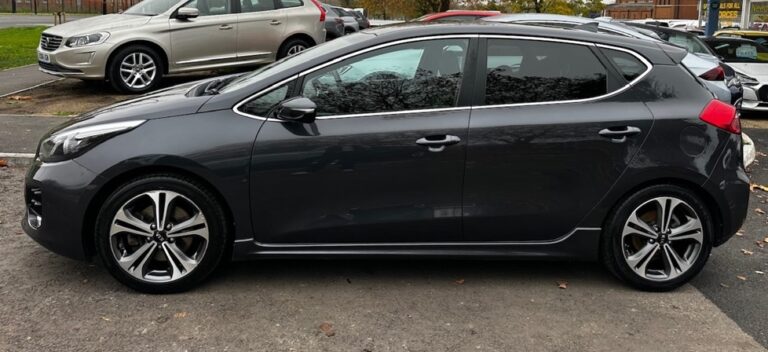
The Evolution of the Geely Cityray: Compact, Affordable, and Practical Urban Mobility
The Geely Cityray has served as one of the key models in Geely Auto’s efforts to cater to urban mobility needs with an affordable, compact, and efficient vehicle. Aimed at city dwellers looking for a no-frills vehicle to handle daily commutes and city driving, the Cityray has evolved over the years to meet the demands of an increasingly eco-conscious, tech-driven market. Although it may not have received the global recognition of Geely’s higher-end models, the Cityray has proven itself as an important piece of the company’s broader strategy to establish a foothold in the mass-market segment, particularly in China and select international markets.
Introduction: The Birth of the Geely Cityray (2010–2014)
The Geely Cityray was first introduced in 2010 as a compact urban car designed to cater to the growing demand for affordable, fuel-efficient vehicles in China. As China’s middle class expanded, there was a clear need for smaller cars that could navigate congested city streets and offer a simple, no-nonsense driving experience. Geely, having already built a reputation for low-cost sedans and hatchbacks, aimed to meet this demand with a vehicle that was both practical and cost-effective.
The Cityray was built on a small platform, with compact dimensions ideal for maneuvering in crowded urban environments. It was positioned as an entry-level car for young professionals and city dwellers who wanted a reliable, affordable vehicle without the complexity and cost of larger cars. In essence, the Cityray was designed to be a functional, budget-friendly option with a straightforward design.
Key Models and Trim Levels (2010–2014)
The early models of the Geely Cityray were relatively simple, focusing primarily on value and practicality. It was available in a few different variants, based mostly on engine size, trim, and features.
- Base Model: The base version of the Cityray came with a 1.3-liter four-cylinder engine producing around 85 horsepower. This engine was paired with a 5-speed manual transmission, and the car was designed for economical urban driving with a fuel-efficient profile. Standard features included basic air conditioning, a radio, and power steering, making it ideal for first-time car buyers or people on a budget.
- Mid-range Model: The mid-range trim offered a few upgrades, such as a more refined interior, additional safety features (like airbags), and better upholstery. The engine remained the same, but the trim level introduced more comfort-oriented features like upgraded seat fabrics, a basic infotainment system, and improved suspension for a smoother ride.
- High-end Model: The top-tier version of the Cityray offered better interior finishes, a more advanced audio system, and alloy wheels. It was aimed at consumers who wanted additional creature comforts and a slightly higher level of refinement, though it remained an affordable option within the segment.
The Cityray’s design was intentionally minimalist, featuring simple lines and a no-frills approach to styling. While not a standout in terms of design, it was practical for its intended purpose as an entry-level vehicle. The focus was squarely on providing an efficient, easy-to-maintain car that would serve as a reliable urban companion.
.

.
Second Generation (2015–2019): Refinement and Improved Features
By 2015, Geely recognized that the compact car market was evolving. There was growing demand for more features and a higher-quality driving experience in the subcompact segment, even at the entry level. This led to the development of the second-generation Geely Cityray, which arrived in 2015 and included more refined design elements, better technology, and improved comfort.
The second-generation Cityray continued to be aimed at budget-conscious consumers but introduced several important upgrades that made the vehicle more competitive in a crowded market. Geely’s growing focus on quality, combined with lessons learned from its partnership with Volvo, contributed to the improvements made in this generation.
Key Updates and Features (2015–2019)
- Design Refinements: The second-generation Cityray featured updated styling with a more modern, streamlined appearance. The front grille was redesigned, and the headlights became more angular, giving the car a more contemporary look. Additionally, the rear bumper and taillights were redesigned for a more cohesive and balanced exterior.
- Powertrain Improvements: The 1.3-liter engine continued to be available, but Geely also introduced a 1.5-liter engine for higher trims, which offered better performance with around 98 horsepower. The engine was paired with a 5-speed manual or a 4-speed automatic transmission. The overall driving experience was improved thanks to refinements in the suspension system, making the ride smoother and more comfortable.
- Interior Upgrades: Inside, the second-generation Cityray saw a leap in terms of interior materials and comfort. The seats were redesigned for better support, and higher trims featured improved upholstery and soft-touch materials for a more refined feel. The dashboard was redesigned with a more modern layout and included a larger infotainment screen. Bluetooth connectivity and USB ports were added, allowing users to connect smartphones for music and calls.
- Safety Enhancements: Safety became a more important selling point in this generation, with Geely adding features like side airbags, stability control, and anti-lock braking systems (ABS) as standard on most trims. The higher-end models also featured rear parking sensors and an optional rearview camera.
Trim Levels (2015–2019)
- Base Model: The entry-level trim maintained its focus on affordability, with the 1.3-liter engine, manual transmission, and basic features such as air conditioning and a simple audio system. This trim was ideal for customers seeking a no-frills car for city commuting.
- Mid-range Model: The mid-range trim added the 1.5-liter engine option, better audio and connectivity features, and upgraded seat fabrics. This version catered to those who wanted a bit more power and comfort without breaking the bank.
- Top Model: The top-tier version of the Cityray came with the 1.5-liter engine, automatic transmission, alloy wheels, premium upholstery, and additional safety features like a rearview camera, which made it more attractive to customers who wanted more luxury and convenience in their small vehicle.
Third Generation (2020–Present): Shifting Toward Modernity and Technology
By 2020, Geely had firmly positioned itself as a more innovative and technology-driven automotive company, and the Cityray was no exception to this shift. The third-generation Geely Cityray, launched in 2020, incorporated cutting-edge technology, more advanced safety features, and an even more refined design. As part of Geely’s broader strategy to appeal to tech-savvy consumers and younger buyers, the third-generation Cityray represents a more modern and connected vehicle compared to its predecessors.
This generation also introduced more premium elements, such as improved driver assistance systems and upgraded interior technology, signaling Geely’s ambition to align the Cityray with more contemporary trends in the automotive industry.
Key Updates and Features (2020–Present)
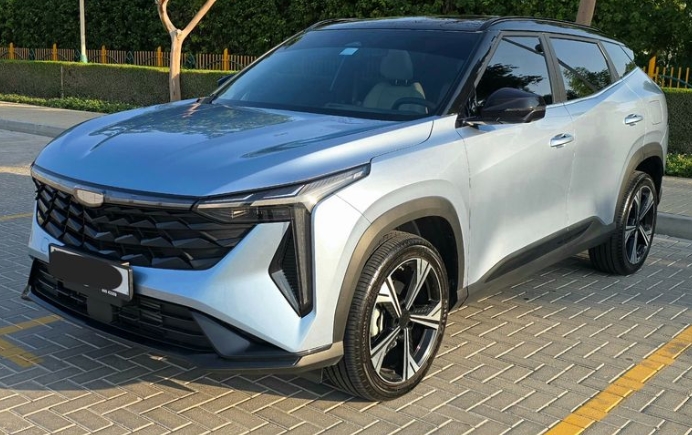
- Design Overhaul: The third-generation Cityray received a more stylish and contemporary exterior, with sharper lines, a sleeker roofline, and modern detailing such as LED headlights and tail-lights. The overall aesthetic became more aligned with global automotive design trends, which helped the Cityray stand out in the crowded compact car segment.
- Powertrain and Efficiency: While the 1.5-liter engine remained the mainstay, Geely introduced a more efficient 1.0-liter turbocharged engine option for the Cityray. This smaller engine provided better fuel efficiency without sacrificing too much performance. The turbocharged engine delivered about 115 horsepower, offering a balanced driving experience suitable for city driving.
- Technology and Connectivity: The third-generation Cityray introduced a more advanced infotainment system, with a larger touchscreen, Apple CarPlay, Android Auto, and an upgraded audio system. This made the car much more appealing to tech-oriented consumers, who increasingly expect seamless integration with their smartphones and devices.
- Safety Features: The Cityray’s safety features were also significantly upgraded in this generation, with Geely introducing advanced driver assistance systems (ADAS) such as forward collision warning, automatic emergency braking, lane-keeping assist, and blind-spot monitoring. These systems were generally only found in higher-end vehicles before but were now being offered in more budget-friendly compact cars.
- Improved Interior Comfort: The interior of the Cityray received a more premium treatment with higher-quality materials, a more refined design, and better insulation for a quieter ride. The cabin layout was optimized for better ergonomics, and there was a notable increase in storage space, making it more practical for daily use.
Trim Levels (2020–Present)
- Base Model: The entry-level trim continued to focus on affordability, with the 1.0-liter turbo engine, a small touchscreen, air conditioning, and basic safety features. This version was targeted at cost-conscious buyers seeking a simple, reliable city car.
- Mid-range Model: The mid-range trim introduced more comfort and technology features, such as a larger infotainment screen, Bluetooth connectivity, and additional driver assistance systems. This model was designed for buyers who wanted more than just basic transportation.
- Top Model: The highest trim offered the most advanced features, including the larger 1.5-liter engine, a fully digital cockpit, premium upholstery, a larger touchscreen, and advanced driver-assistance technologies. It catered to those looking for a compact vehicle with more upscale features at a reasonable price.