The Evolution of the Jaguar 240 and 340: Iconic British Sedans
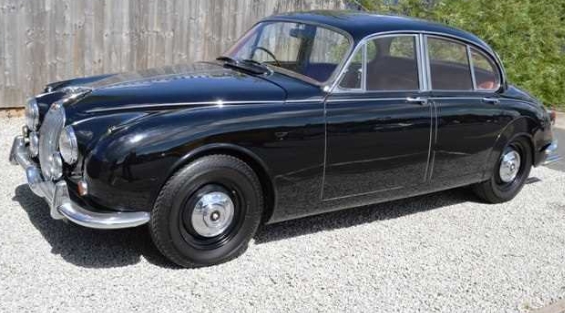
The Jaguar 240 and 340 are two important models in the history of Jaguar Cars, a marque synonymous with luxury, performance, and British craftsmanship. These sedans, part of the iconic Jaguar Mark 2 family, were produced in the 1960s and played a key role in Jaguar’s success during that period. Known for their elegant design, smooth ride, and powerful engines, the Jaguar 240 and 340 were aimed at a discerning clientele seeking both performance and refinement. This article will explore the evolution of the Jaguar 240 and 340, highlighting the models and trim levels, key developments, and their lasting impact on the luxury car market.
Origins: The Jaguar Mark 2 and the Need for a Refined Sedan (1959–1961)
Before diving into the specifics of the Jaguar 240 and 340, it is important to understand the context in which these vehicles were introduced. The roots of the 240 and 340 trace back to the Jaguar Mark 2, which was first launched in 1959. The Mark 2 was designed as a more compact luxury sedan compared to Jaguar’s larger saloons, such as the Mark 7 and Mark 8. It offered a blend of elegance, luxury, and performance in a smaller, more practical package. The Mark 2 quickly gained popularity among both executives and enthusiasts, thanks to its smooth six-cylinder engines, stylish design, and the performance to match.
The Mark 2 was available with several engine options: a 2.4-liter six-cylinder engine, a 3.4-liter six-cylinder engine, and a 3.8-liter version that would become the top-of-the-line model. The car’s design was influenced by Jaguar’s commitment to both luxury and sportiness, with a streamlined exterior, leather-upholstered interior, and sophisticated suspension system. Over time, the Mark 2 became associated with both luxury and performance and was favored by high-profile individuals and even law enforcement agencies.
By the mid-1960s, Jaguar was looking to modernize its range and refine its offerings. The need for a more affordable yet still luxurious model in the sedan lineup became clear. This led to the creation of the Jaguar 240 and 340, both of which were part of a larger effort to appeal to a wider customer base.
.

.
Introduction of the Jaguar 240 and 340 (1967)
The Jaguar 240 and 340 were introduced in 1967 as updated versions of the Jaguar Mark 2, with the aim of offering more economical options without sacrificing performance or luxury. Both cars were part of a model update designed to keep the aging Mark 2 competitive in a rapidly changing automotive landscape. Jaguar needed to adapt to rising competition and changes in consumer tastes, especially as competitors like BMW, Mercedes-Benz, and other European luxury manufacturers were introducing more refined and modern sedans.
Jaguar 240 (1967–1969)
The Jaguar 240 replaced the original 2.4-liter engine Mark 2. While the basic design of the car remained similar, the 240 featured several updates that helped it fit into the new generation of Jaguar sedans. The 240 was equipped with the 2.4-liter inline-six engine from the earlier Mark 2, which delivered 133 horsepower, making it a smooth and well-balanced sedan. While this was a slight downgrade in terms of engine power compared to the higher-end models like the 3.4 or 3.8 Mark 2, the 240’s engine was still highly regarded for its smoothness, refinement, and performance.
The Jaguar 240 offered a balance between luxury and affordability. It was designed to be an entry-level model for Jaguar’s sedan range, yet it still featured many of the same luxurious touches as the more expensive versions of the Mark 2. The interior of the 240 was equipped with leather seats, wooden veneer trim, and a well-appointed dashboard that reflected the brand’s commitment to comfort and elegance.
The Jaguar 240 was also fitted with disc brakes on all four wheels, which was a notable feature for a car in its class at the time. This made the 240 a more modern and safer vehicle compared to some of its competitors, who still relied on drum brakes in the rear. The Jaguar 240 was aimed at buyers who wanted a luxury sedan with a smaller engine and lower price point than the 3.4 and 3.8 models, but still delivered a strong blend of performance and refinement.
Jaguar 340 (1967–1969)
The Jaguar 340 was introduced alongside the 240 as the more performance-oriented option in the updated Mark 2 range. Essentially, the 340 was a Mark 2 with the more powerful 3.4-liter engine from the previous model, paired with a more refined set of features and styling elements. The 340 was designed to appeal to customers looking for more performance without jumping up to the higher price range of the 3.8-liter model.
The 3.4-liter engine in the 340 produced 210 horsepower, giving it significantly more performance than the 240. The car could accelerate from 0 to 60 mph in about 8.4 seconds, which was quite impressive for the time. The 340 also benefited from the same smooth handling and suspension system found in the larger, more expensive Jaguar models, providing an excellent balance between comfort and performance. It offered a more exciting driving experience compared to the 240, while still maintaining the refinement Jaguar was known for.
Visually, the Jaguar 340 was distinguished by its unique front grille and revised chrome accents. The 340 model also featured a more advanced interior, with improved sound insulation and more luxurious trim details. The 340 offered buyers an attractive option if they were looking for a sports sedan with the sophistication of a Jaguar but did not need the full performance and luxury of the 3.8-liter version.
Jaguar 240 and 340: Production and Market Reception (1967–1969)
The Jaguar 240 and 340 were produced in relatively limited numbers compared to some of the brand’s more iconic models, with production numbers falling around 12,000 units for the 240 and just over 5,000 units for the 340. Despite their relatively small production numbers, these models were well received by customers, especially those seeking a more economical yet still luxurious Jaguar.
The 240 and 340 were seen as important additions to Jaguar’s lineup, allowing the company to reach a broader market while retaining the brand’s identity as a maker of high-quality luxury vehicles. These models, with their more affordable price tags compared to the larger sedans, appealed to a different demographic that wanted the Jaguar experience but at a more accessible cost.
Both cars provided a refined driving experience with agile handling, smooth power delivery, and classic Jaguar styling, making them favorites among car enthusiasts and Jaguar fans. Additionally, the performance and reliability of the 340 made it a popular choice for drivers seeking a more dynamic driving experience than the 240 could offer.
Discontinuation and Legacy (1969)
Despite their success, the Jaguar 240 and 340 were only produced for a short period, with both models being discontinued in 1969. The decision to end production was largely driven by Jaguar’s evolving lineup and the shift towards more modern designs and larger engines in the early 1970s. Jaguar introduced the XJ series in 1968, which became the company’s flagship luxury sedan. With the launch of the XJ, the Mark 2-based models, including the 240 and 340, were phased out in favor of the more advanced XJ range.
Although the 240 and 340 were not produced for long, they left an important legacy for the Jaguar brand. Both cars are remembered for their smooth performance, stylish design, and luxury touches. The 240 and 340 were pivotal in maintaining Jaguar’s reputation for crafting elegant yet practical sedans during a time when competition in the luxury vehicle segment was growing.
Today, the Jaguar 240 and 340 are considered classic cars, with a loyal following among collectors and enthusiasts. The combination of refined performance, elegant styling, and the lasting appeal of the Jaguar brand has helped these models maintain their place in automotive history.
The Future Outlook and Collectibility
As classic cars, both the Jaguar 240 and 340 continue to be sought after by collectors and enthusiasts. Their relatively limited production numbers, combined with their status as part of Jaguar’s rich history, make them valuable on the classic car market. The 240, with its elegant but restrained luxury, appeals to those who appreciate the timeless design of Jaguar sedans from the 1960s. Meanwhile, the 340 remains a favorite for those looking for a more performance-oriented classic Jaguar sedan.
Many owners of the Jaguar 240 and 340 are committed to restoring and preserving these vehicles, ensuring that their legacy continues. For those who enjoy vintage motoring, these cars offer an engaging and rewarding driving experience, especially when compared to modern vehicles.
Conclusion
The Jaguar 240 and 340 were crucial models in Jaguar’s lineup during the 1960s, offering a blend of luxury, performance, and style that appealed to a wide range of buyers. These cars represented the evolution of the Jaguar Mark 2, allowing the brand to maintain its presence in the mid-size luxury sedan market while also offering more affordable options. Although they were produced for only a few years, the Jaguar 240 and 340 left a lasting impression, with their smooth performance, elegant design, and the unmistakable cachet of the Jaguar marque. Today, these classic cars are cherished by collectors and automotive enthusiasts alike, ensuring that their legacy endures.