The Honda Integra: A Complete Evolution of an Iconic Sport Compact
The Honda Integra — marketed in North America as the Acura Integra — represents one of the most influential and cherished sport compact cars in automotive history. First introduced in the mid-1980s, the Integra combined agile handling, technical innovation, and performance-oriented engineering across multiple generations. Over decades, it produced a range of trim levels from practical daily-drivers to high-revving performance icons like the Type R. After a hiatus following 2006, the Integra name returned in 2023 with a modern liftback that blends performance and everyday usability. What follows is a comprehensive evolution of the Integra — spanning its generations, trim levels, and place in automotive culture.
Origins and Early Purpose (1985–1989)
Production of the first-generation Integra began in 1985 as a derivative of the Honda Quint model line. In many markets it was positioned as a compact sport hatchback that offered more performance and refinement than the Civic, Honda’s more mainstream model. Early Integras were available in 3-door and 5-door liftback bodies, emphasizing versatility and sportiness.
Engines varied by market but included naturally aspirated four-cylinder units that balanced spirited performance with efficiency. Initial models were praised for handling and styling that stood apart from competitors, establishing Integra’s reputation.
Trim designations were relatively simple at first, with base and sportier trims emphasizing manual transmissions and driver engagement. Although the early Integra did not yet feature Honda’s then-emerging VTEC technology, it laid the groundwork for subsequent performance innovations.
.

.
Second Generation (1990–1993): VTEC and Expanded Lineup
The second-generation Integra launched in 1990 with revised styling, independent double-wishbone suspension, and more advanced engine options. By 1992, Honda introduced VTEC — its Variable Valve Timing and Lift Electronic Control system — to the Integra lineup via the GS-R trim, producing around 160 hp from a 1.7-liter engine and offering a more engaging performance experience.
Trim levels in this generation typically included:
- Base / RS – Entry-level, practical configurations with a focus on value.
- LS / Luxury Sport – Added creature comforts and convenience features.
- GS-R – Performance-oriented with VTEC technology and sport suspension.
These trims could be paired with a 5-speed manual or 4-speed automatic, and vehicles were available in multiple markets, including Japan and North America.
The second gen’s introduction of VTEC marked a turning point for Honda’s performance credibility, boosting Integra’s appeal among enthusiasts and helping cement its motorsport credentials thanks to strong showings in touring and sprint racing.
Third Generation (1994–2001): A Legend Is Born
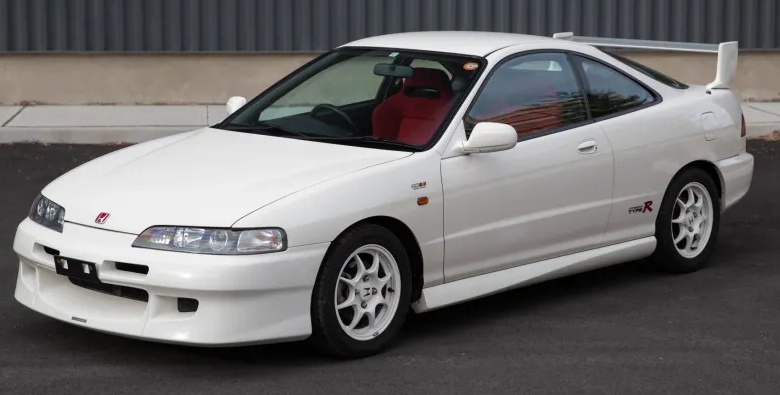
The third-generation Integra debuted in 1994 with a complete redesign and broader lineup offerings. This era is widely considered the golden age for the Integra, especially due to the emergence of the legendary Type R variant.
Body and Powertrain Options
The third-gen Integra was available in both 3-door coupe and 4-door sedan forms, giving buyers more choice. Engines ranged from efficient yet spirited four-cylinders to high-output VTEC units. Notably, the performance-oriented trims delivered power with responsiveness and character unmatched by many contemporaries.
Trim Levels and Key Variants
US market trims typically included (among others):
- RS (Rally Sport) – Base model with basic features; sometimes replaced later in lifecycle.
- LS (Luxury Sport) – Balanced comfort and performance.
- SE (Special Edition) – Added aesthetic and comfort upgrades in select years.
- GS (Grand Sport) – Mid-range blend of comfort and sportiness.
- GS-R (Grand Sport Racing) – High-output VTEC engine (often around 170 hp), sport suspension, and other performance hardware.
- Type R (1997 onward) – The pinnacle of the generation, with a hand-built 1.8-liter VTEC B18C5 engine producing around 195 hp, lightweight components, limited-slip differential, upgraded chassis, and suspension — revered by driving purists and often cited among the best front-wheel-drive cars ever made.
The Type R stood out as a homologation and performance flagship, influencing street and track culture worldwide. Its combination of high-revving power, responsive chassis, and focused design made it an enduring performance icon.
Fourth Generation (2002–2006): The RSX Era
In 2001, Honda unveiled what would be considered the fourth generation of the Integra — but in North America it was rebadged as the Acura RSX as part of Acura’s new naming strategy that favored alphabetic designations over established model names. The RSX/Integra was produced from 2002 to 2006.
Key Technical Features
This generation moved to Honda’s K-series engines, offering improved power and efficiency across the lineup. Power outputs varied from around 160 hp in base models to over 200 hp in Type-S and high-output trims. Transmissions included 5- and 6-speed manuals as well as automatic options. The RSX/Integra featured updated styling and more modern safety equipment compared to earlier generations.
Trim Levels
- Base / RSX – Focused on dynamic everyday driving with balanced performance.
- Type-S – Performance upgrade over base, with increased power and sport-tuned components.
- Type R (in some markets) – Continued performance variant with uprated engine and chassis enhancements (JDM and some export markets).
Despite its strengths, declining coupe sales and Acura’s restructuring caused Honda to discontinue this generation by 2006 — ending continuous Integra/RSX production in many major markets.
Hiatus and Revival (2006–2022)
After 2006, the Integra nameplate lay dormant in most markets, replaced in North America by other Acura models such as the ILX. Though Honda offered unique Integra badges on some Chinese market vehicles, the brand largely focused on other segments.
Fifth Generation (2023–Present): The New Integra
The Integra name returned for the 2023 model year after a 16-year hiatus with the launch of a modern liftback based on the eleventh-generation Honda Civic architecture. In North America, it is sold under the Acura brand as a 5-door liftback, blending performance with practicality.
Trim Levels and Features
The revived Integra lineup initially included:
- Base – Entry trim with a 1.5-liter turbocharged engine and front-wheel drive.
- A-Spec – Sportier design with enhanced exterior styling and upgraded features.
- A-Spec with Technology Package – Adds tech upgrades including larger touchscreen and adaptive suspension.
- Type S – Performance-oriented model introduced in 2024 with a 2.0-liter turbocharged engine and upgraded chassis dynamics, offering more power and engaging handling.
The new Integra emphasizes versatility and premium appeal alongside performance — upholding the nameplate’s sporty heritage while acknowledging modern buyer expectations.
Legacy and Cultural Impact
From its first appearance in 1985 through its hiatus and modern revival, the Honda/Acura Integra has influenced sport compact culture globally. Its combination of reliable engineering, innovative engine technology (including early adoption of VTEC), and dedicated performance trims like the Type R made it a tangent point for enthusiasts, racers, and everyday drivers alike.
Today, classic Integras — particularly Type R models — command strong enthusiast interest and collector value. The 2023 and newer Integras continue this legacy, earning awards and recognition while offering modern amenities and performance.
Future Outlook
The Integra’s return signals Honda and Acura’s continued commitment to performance-oriented vehicles in an evolving market. With industry trends shifting toward SUVs and electrification, the Integra’s liftback format and dynamic trims are positioned to appeal to drivers looking for a blend of sport, utility, and technological sophistication. Acura’s continued updates through the mid-2020s — including trims like the Type S and ongoing tech enhancements — suggest the nameplate will remain relevant for years to come.
The Honda/Acura Integra has evolved from a sporty compact derived from Honda’s Civic lineage into a performance icon celebrated by drivers worldwide. Across its generations — from 1985’s early models through the Type-R legend of the 1990s and its modern liftback revival — the Integra has continually blended performance, technology, and usability. Its various trims have catered to daily driving needs and enthusiast aspirations alike. With the latest generation now on sale and poised to continue adapting to market demands, the Integra’s story remains one of innovation and enduring appeal.