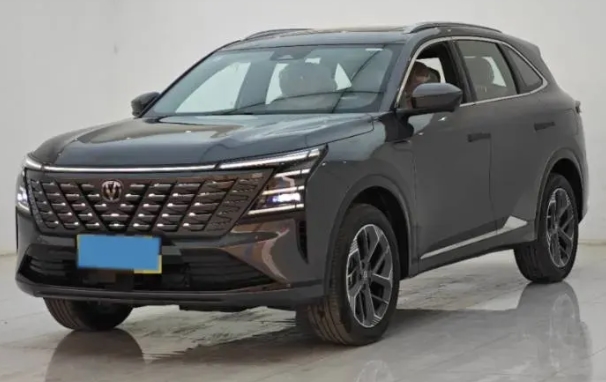
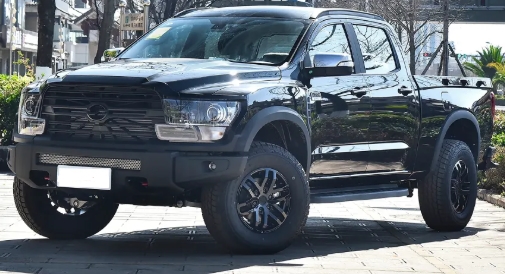
The History of Changan Automobile (Changan, Deepal, Avatr, NEVO, Oushang)
From Imperial Arsenal to Electrified Global Contender
Changan Automobile is one of China’s oldest and most historically layered industrial enterprises, with origins dating back more than 160 years. Today, it stands as one of the country’s “Big Four” state-owned automakers, producing millions of vehicles annually and rapidly transitioning into electric and intelligent mobility through brands such as Deepal, Avatr, NEVO, and Oushang.
The company’s long evolution—from weapons manufacturing in imperial China to a modern global automaker—offers a unique perspective on industrial transformation, state influence, and technological adaptation.
Origins and Founding (1862–1949)
Changan’s roots trace back to 1862, during the Qing Dynasty, when the Shanghai Foreign Gun Bureau was established under the leadership of Li Hongzhang. Li Hongzhang was a prominent statesman and reformer who advocated for modernization through industrialization and Western technology adoption.
The bureau was part of China’s Self-Strengthening Movement, aiming to modernize military capabilities. Over time, the operation relocated and evolved, eventually becoming a major arms manufacturing enterprise.
Unlike Western automakers, Changan does not have a single entrepreneurial founder. Instead, it emerged from state-led industrial initiatives, with Li Hongzhang serving as its historical origin figure.
Transition to Automotive Production (1950s–1980s)
Following the establishment of the People’s Republic of China in 1949, the enterprise was reorganized into a state-owned defense manufacturer. It later became part of what is now China South Industries Group.
Changan began producing automobiles in the 1950s, initially focusing on military and utility vehicles. By the 1980s, as China opened its economy, the company pivoted toward civilian automotive production.
Reform Era and Joint Ventures (1980s–2000s)
Changan’s modernization accelerated through partnerships with foreign automakers, similar to other Chinese state-owned firms.
Key Joint Ventures
- Changan Suzuki (1993–2018)
Partnership with Suzuki Motor Corporation (founded 1909). This venture helped Changan produce compact cars, affordable vehicles for the masses. - Changan Ford (2001–present)
Collaboration with Ford Motor Company (founded 1903), producing models like the Focus and Mondeo for China. - Changan Mazda (2012–present)
Joint venture with Mazda Motor Corporation (founded 1920).
Acquisition and Structural Changes
Changan has remained state-owned and has not been bought out by another company. However, it absorbed and reorganized multiple smaller regional manufacturers under government direction throughout the 1990s and 2000s.
A significant restructuring occurred when it became a core subsidiary of China South Industries Group, consolidating defense and automotive operations.
Challenges and Hardships
1. Dependence on Foreign Technology (1990s–2000s)
Changan relied heavily on Suzuki and Ford for vehicle platforms and engineering.
Resolution:
The company invested in independent R&D centers in China, Europe, Japan, and the United States.
2. Collapse of Changan Suzuki (2018)
The joint venture with Suzuki ended due to declining sales and Suzuki’s withdrawal from the Chinese market.
Resolution:
Changan acquired Suzuki’s stake and repurposed facilities for its own brands.
3. Market Competition and Brand Identity (2010s)
As private automakers like Geely and BYD surged, Changan struggled to differentiate its domestic offerings.
Resolution:
The company launched new sub-brands (Deepal, Avatr, NEVO) focused on electrification and premium positioning.
4. EV Transition Pressure (2020s)
The rapid shift to electric vehicles required massive investment and technological change.
Resolution:
Changan committed billions (USD) to EV development and formed partnerships with tech companies like Huawei (via Avatr).
Brand Portfolio and Key Models
1. Changan (Core Brand)
The main Changan brand produces a wide range of sedans, SUVs, and trucks.
Notable Models:
- Changan CS75 Plus (SUV)
- Changan Eado (sedan)
The CS75 series has been one of China’s best-selling SUVs, contributing significantly to Changan’s domestic success.
2. Oushang (Oshan)
Oushang focuses on affordable family vehicles and crossovers.
Notable Models:
- Oushang X7 (SUV)
- Oushang A600 (MPV)
Originally tied to commercial vehicles, Oushang evolved into a consumer-focused brand.
3. Deepal (Shenlan)
Deepal launched in 2022 as a dedicated EV brand.
Notable Models:
Deepal emphasizes smart technology and extended-range EV systems.
4. Avatr (Premium EV Joint Venture)
Avatr was established in 2018 (as a joint venture involving Changan, CATL, and Huawei).
Notable Models:
- Avatr 11 (electric luxury SUV)
- Avatr 12 (electric sedan)
Avatr integrates advanced battery technology and Huawei’s smart driving systems.
5. NEVO (Qiyuan)
NEVO is a newer energy-focused brand targeting mainstream EV buyers.
Notable Models:
Manufacturing and Factory Operations
Changan operates extensive manufacturing facilities across China, including major hubs in:
- Chongqing (headquarters and primary production base)
- Beijing
- Hefei
- Shenzhen
It also operates global R&D centers in:
- Detroit, Michigan (engineering and design)
- Turin, Italy (styling)
- Yokohama, Japan (powertrain development)
Factories utilize modern robotics, modular platforms, and flexible production lines capable of building internal combustion and electric vehicles.
Racing and Performance Programs
Changan has had limited global motorsports involvement, but it has participated in:
- Chinese touring car competitions
- Engineering demonstrations and performance showcases
Motorsports has not been a core focus compared to brands like Toyota or Ford.
Marketing and Strategy
Changan’s marketing has evolved significantly:
- 1990s–2000s: Focus on affordability and foreign partnerships
- 2010s: Emphasis on design and quality improvement
- 2020s: Technology-driven branding (AI, EVs, smart driving)
Notable strategies include:
- Collaboration with Huawei for smart vehicle branding (Avatr)
- Digital-first campaigns targeting younger consumers
- EV-focused launches and global auto show appearances
Milestones and Achievements
- 1862: تأسيس original industrial enterprise
- 1950s: Entry into automotive production
- 1993: Changan Suzuki joint venture
- 2001: Changan Ford partnership
- 2018: تأسيس Avatr
- 2022: Launch of Deepal EV brand
Changan has consistently ranked among China’s top automakers by production volume.
Sales Performance
Global Sales
Changan has produced over 2–3 million vehicles annually in peak years, with strong domestic market share.
U.S. Market Reception
Changan has not officially entered the U.S. consumer vehicle market, though it has:
- Operated R&D centers in Michigan
- Explored market entry in the 2010s
U.S. sales figures: Essentially zero for retail vehicles.
Consumer awareness in the U.S. remains very low.
Most Successful Vehicle
The Changan CS75 Plus stands out as the company’s most successful independent model due to:
- Competitive pricing
- Modern design
- Strong reliability reputation in China
It became a top-selling SUV in the Chinese market, contributing significantly to Changan’s growth.
What Makes Changan Unique
- Extremely Long History
Few automakers trace their origins back to the 19th century. - Defense Industry Roots
Its background in military manufacturing shaped its engineering discipline. - Hybrid Strategy
Combines joint ventures with aggressive in-house brand development. - Tech Partnerships
Collaborations with companies like Huawei and CATL distinguish its EV approach.
Current Status and Future Outlook (2026)
Changan Automobile remains fully operational and is a major force in China’s automotive industry.
Strengths
- Strong government backing
- Rapid EV development
- Global R&D presence
Challenges
- Intense domestic competition
- Limited global brand recognition
- Transition costs to electrification
Future Outlook
Changan is expected to:
- Expand EV exports globally
- Strengthen premium EV brands like Avatr
- Increase investment in autonomous driving
Changan Automobile’s journey from a Qing Dynasty weapons factory to a modern electric vehicle innovator is one of the most remarkable transformations in industrial history. While it faces challenges in global branding and competition, its deep historical roots, technological partnerships, and aggressive electrification strategy position it as a key player in the future of the automotive industry.
As the global market shifts toward sustainable mobility, Changan’s ability to adapt—something it has done for over 160 years—will determine whether it can evolve from a domestic powerhouse into a truly global automotive leader.