The Evolution of the BYD Qin Plus: A Mass-Market Electrified Sedan Revolution
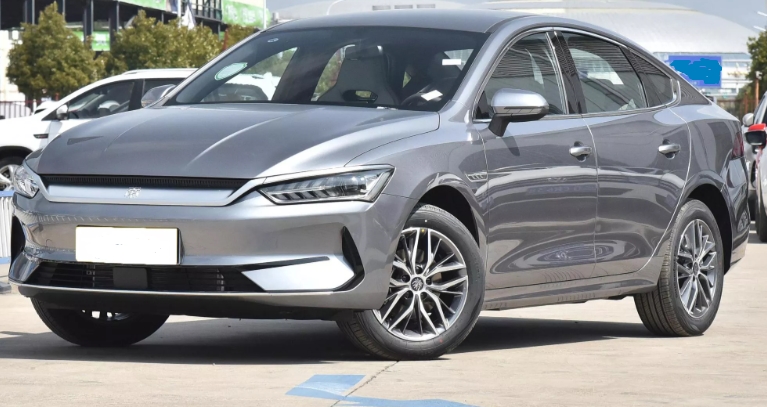
The BYD Qin Plus is one of the most important vehicles in the modern history of BYD Auto, representing the company’s transition from early plug-in hybrids to high-volume, affordable electrified sedans. Introduced in 2021 as a successor to the Qin Pro, the Qin Plus quickly became a cornerstone of BYD’s lineup, offering both plug-in hybrid (DM-i) and fully electric (EV) variants. Over the years, it has evolved through multiple updates, trim expansions, and technological improvements, becoming one of the best-selling new energy sedans in China.
This article explores the full evolution of the BYD Qin Plus, including production years, trims, variants, technological advancements, and future outlook.
Origins and Background (Pre-2021 Context)
The Qin Plus is part of the broader Qin lineage, which began in 2012 as one of the world’s early mass-produced plug-in hybrid sedans. The Qin series itself replaced the earlier F3DM and helped establish BYD as a leader in electrification.
By the late 2010s, the Qin Pro served as the primary model in the lineup. However, rapid advancements in battery and hybrid technology led BYD to develop a more refined and efficient successor—the Qin Plus.
.

.
Debut and Launch (2020–2021)
The BYD Qin Plus was first unveiled at the Guangzhou Auto Show in November 2020 and officially went on sale in March 2021.
Production Years
- 2021–Present (First Generation)
From launch, the Qin Plus was offered in two primary variants:
- Qin Plus DM-i (plug-in hybrid)
- Qin Plus EV (battery electric)
This dual-powertrain strategy allowed BYD to target both hybrid and fully electric buyers simultaneously.
Qin Plus DM-i (2021–Present)
Introduction of DM-i Technology
The Qin Plus DM-i debuted as one of the first vehicles to use BYD’s new DM-i hybrid system, designed to prioritize efficiency over performance.
Powertrain Overview
- 1.5-liter naturally aspirated gasoline engine
- Electric motor with combined output up to ~145 kW
- E-CVT transmission
- Fuel consumption as low as ~3.8 L/100 km
Initial Trim Levels (2021)
The DM-i variant was offered in two primary configurations based on battery size:
- 55 km DM-i (Standard Range)
- 120 km DM-i (Extended Range)
These trims differed mainly in:
- Battery capacity (8.32 kWh vs. 18.32 kWh)
- Electric-only driving range
- Overall performance
Qin Plus EV (2021–Present)
Alongside the hybrid, BYD introduced the fully electric Qin Plus EV.
Battery and Range Options
The EV variant was offered with multiple battery capacities:
- ~47.5 kWh (entry-level)
- ~57 kWh (mid-range)
- ~71.7 kWh (long-range, up to ~373 miles / 600 km)
Trim Structure
Unlike the DM-i, EV trims were generally structured around:
- Battery size
- Driving range
- Equipment level
This allowed buyers to choose between affordability and extended range.
Early Market Impact (2021–2022)
The Qin Plus quickly became a sales success, particularly in China’s highly competitive sedan market.
- Strong adoption of DM-i technology
- Competitive pricing undercutting gasoline vehicles
- Rapid growth in sales volumes
By 2022, the Qin Plus DM-i had become one of BYD’s best-selling models.
2023 “Champion Edition” Update
In February 2023, BYD introduced the Qin Plus DM-i Champion Edition, marking a major update focused on affordability and competitiveness.
Key Changes
- Reduced starting prices
- Improved standard equipment
- Enhanced value proposition
This move was part of BYD’s broader strategy to make electrified vehicles cheaper than gasoline alternatives.
Trim Continuity
The Champion Edition retained the core trim structure:
- 55 km DM-i
- 120 km DM-i
2024 “Honor Edition” and Global Expansion
In February 2024, BYD launched the Qin Plus DM-i Honor Edition, further reducing prices and expanding availability.
Key Updates
- Additional price reductions
- Expanded export markets (Middle East)
- Continued focus on affordability
The model began appearing in markets such as:
- United Arab Emirates
- Saudi Arabia
- Qatar
Trim Structure (2024)
- 55 km DM-i
- 120 km DM-i
- Updated EV variants with improved value
2025 Facelift and Second-Generation Update
A major evolution occurred in January 2025, when the Qin Plus received a significant facelift.
Design Changes
- Redesigned front fascia inspired by newer BYD models
- Updated rear styling
- Refreshed interior layout
Powertrain Upgrade
- Introduction of DM-i 5.0 hybrid system
- Improved efficiency and performance
Trim Levels (2025 Facelift)
DM-i Variants
- 55 km DM-i (updated)
- 120 km DM-i (updated)
EV Variants
- Standard range EV
- Mid-range EV
- Long-range EV
Additional Variants (2025 Updates)
BYD introduced new trims and discontinued some older ones:
- Added three new variants (one PHEV, two EVs)
- Removed several older configurations
- Adjusted pricing to remain competitive
Complete Trim and Model Overview
2021 Launch Lineup
DM-i Models:
- 55 km DM-i
- 120 km DM-i
EV Models:
- Standard range
- Mid-range
- Long-range
2023 Champion Edition
- 55 km DM-i (updated)
- 120 km DM-i (updated)
- EV variants with improved pricing
2024 Honor Edition
- Same core trims with reduced pricing
- Expanded global availability
2025 Facelift / Second Generation
- Updated 55 km DM-i
- Updated 120 km DM-i
- New EV variants (expanded lineup)
- Additional new trims introduced
Technology and Engineering Evolution
DM-i Hybrid System
The Qin Plus helped popularize BYD’s DM-i technology, which emphasizes:
- Electric-first driving
- High thermal efficiency engines
- Low fuel consumption
Battery Technology
- Blade Battery (lithium iron phosphate)
- Improved safety and longevity
Efficiency
- Electric range: 34–75 miles depending on trim
- Combined range exceeding 620 miles
Interior and Features
Across its evolution, the Qin Plus has steadily improved in comfort and technology:
Standard Features
- Rotating touchscreen infotainment system
- Digital instrument cluster
- Smartphone connectivity
Higher Trims
- Leather upholstery
- Advanced driver assistance systems
- Enhanced infotainment software
Market Position and Competitors
The Qin Plus is positioned as a mass-market electrified sedan, competing with:
- Toyota Corolla Hybrid
- Nissan Sylphy
- Volkswagen Lavida
Its main advantages include:
- Lower operating costs
- Competitive pricing
- Strong electric driving capability
Sales Success and Industry Impact
The Qin Plus has become one of BYD’s most successful models:
- Hundreds of thousands of units sold annually
- Key contributor to BYD’s dominance in plug-in hybrid sales
- Helped shift the Chinese market toward electrification
Its success also reflects broader industry trends:
- Declining demand for gasoline sedans
- Rising adoption of hybrid and EV technology
Future Outlook
The future of the Qin Plus remains strong, though it is evolving alongside newer models.
Key Trends
- Continued updates to DM-i hybrid technology
- Expansion into international markets
- Increased competition from newer BYD sedans
Relationship to New Models
Newer vehicles like the Qin L and Seal 06 are gradually expanding the lineup, but the Qin Plus remains a core offering in the affordable segment.
The BYD Qin Plus represents a pivotal moment in the evolution of electrified vehicles. Since its launch in 2021, it has transformed from a successor to the Qin Pro into one of the world’s most successful plug-in hybrid sedans.
Through multiple updates—including the Champion Edition, Honor Edition, and 2025 facelift—the Qin Plus has continually improved in technology, efficiency, and affordability. Its wide range of trims, spanning both DM-i hybrid and fully electric variants, has allowed it to appeal to a broad audience.
As BYD continues to expand globally and innovate in electrification, the Qin Plus stands as a defining example of how modern sedans can combine efficiency, performance, and value—helping to accelerate the global transition toward sustainable mobility.