The Evolution of the ORA R1 – Black Cat: Great Wall Motor’s First Mass-Market City Electric Car
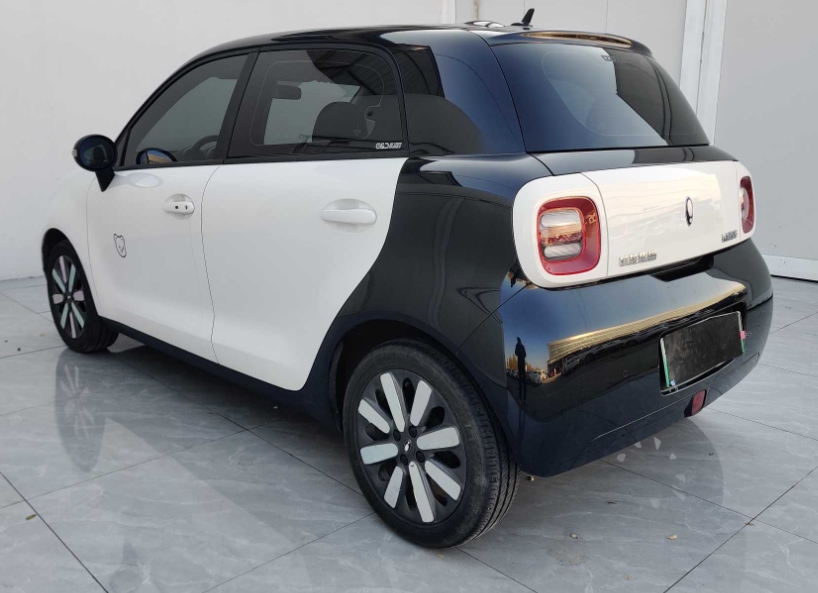
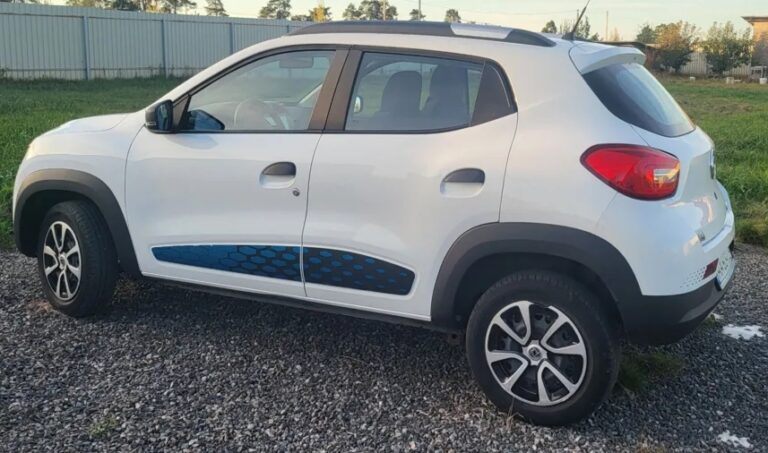
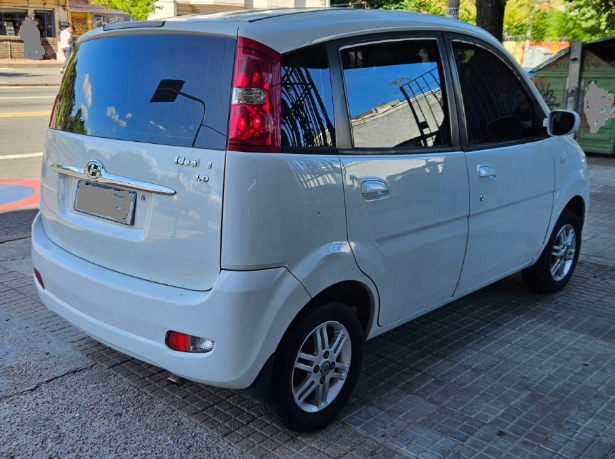
The ORA R1 is a compact electric city hatchback developed by Great Wall Motor (GWM) under its dedicated EV sub-brand ORA (Euler). First introduced in 2018, the R1 was one of China’s earliest attempts to deliver a truly affordable, mass-market electric vehicle designed specifically for dense urban environments.
Although its production life under the “R1” name was relatively short, the model played a foundational role in establishing the ORA brand identity and later evolved into the “Black Cat” naming series. The R1 helped define GWM’s early EV strategy, focusing on low cost, simplicity, and urban practicality.
This article explores the full evolution of the ORA R1, including production history, trim levels, technical specifications, and its eventual transformation into later ORA models.
Origins and Brand Development
The ORA brand was officially launched in May 2018 by Great Wall Motor as its dedicated electric vehicle division. The name “ORA” is often interpreted as standing for Open, Reliable, Alternative, though it also references the mathematician Leonhard Euler in its phonetic origin.
At launch, ORA introduced two key models:
- The ORA iQ (compact crossover)
- The ORA R1 (small city hatchback)
The R1 was designed to be the entry-level urban EV, targeting first-time electric car buyers and younger urban drivers. Unlike larger EVs, it prioritized:
- Compact size for city driving
- Low purchase cost
- Simple mechanical design
- Efficient battery usage
Its role was to compete in the rapidly growing micro- and compact-EV segment in China.
.
THIS could come in handy for your auto garage (and everywhere else!):

.
Production Timeline
Key milestones
- Debut: 2018 (brand introduction period)
- Start of production: Late 2018
- Main production period (R1 name): 2018–2020
- Rebranding phase (“Black Cat”): 2020–2022
- End of production (R1 lineage): approximately 2022
Although the R1 name itself was phased out relatively early, the vehicle continued production under revised branding and updates.
Platform and Design
The ORA R1 was built as a purpose-designed city EV, not derived from a gasoline vehicle platform.
Key characteristics:
- Body style: 5-door hatchback
- Seating: 4 passengers
- Drive type: Front-wheel drive
- Platform: Dedicated ORA EV architecture
- Focus: Urban efficiency and affordability
Dimensions
The R1’s extremely compact footprint made it ideal for city environments:
- Length: ~3,495 mm (137.6 inches)
- Width: ~1,660 mm (65.4 inches)
- Height: ~1,560 mm (61.4 inches)
- Wheelbase: ~2,425–2,475 mm depending on version
These dimensions placed it among the smallest mainstream EVs in China at the time.
Battery and Powertrain Evolution
The ORA R1 was designed with simplicity in mind, using small but efficient battery packs.
2018–2019: Initial powertrain
- Motor output: ~35–45 kW (48–60 hp depending on version)
- Torque: ~125 Nm
- Battery options: ~28.5 kWh to 33 kWh
- Range: ~300–350 km (NEDC cycle)
The most common version used a 33 kWh lithium-ion battery, balancing cost and usable range.
2020 updates: Efficiency improvements
As the model evolved, improvements included:
- Slight battery chemistry upgrades
- Software optimization for range
- Improved energy management systems
- Introduction of higher-efficiency motor calibration
These updates helped extend real-world usability without major hardware changes.
Trim Levels and Model Variants (All Years)
The ORA R1 maintained a relatively simple trim structure throughout its lifecycle, though equipment levels evolved over time.
2018–2019 Launch Trims
At launch, the ORA R1 was typically offered in three core trims:
1. Base / Standard Trim
- Smallest battery option (~28.5 kWh)
- Basic infotainment system
- Manual-style interior materials
- Limited comfort features
2. Mid-Level Trim
- 33 kWh battery option
- Larger infotainment display
- Rear parking sensors
- Improved interior finish
3. High / Luxury Trim
- Full 33 kWh battery pack
- Additional driver assistance features
- Alloy wheels and upgraded styling
- Enhanced connectivity features
2020 Transition Trims (Black Cat era begins)
As ORA shifted toward its “Cat” naming strategy, the R1 was gradually restructured:
- Entry Efficiency Trim
- Standard Comfort Trim
- Premium Tech Trim
Changes included:
- Updated infotainment software
- Slight interior redesign
- Improved battery efficiency tuning
2021–2022 Final Evolution (Black Cat Continuation)
By the final stage of its lifecycle, the R1 identity had effectively transitioned into the ORA Black Cat family, but the structure remained similar:
- Base Urban Edition
- Standard Range Edition
- Extended Range Edition
- Tech / Premium Edition
Key upgrades during this phase:
- Improved battery thermal management
- Enhanced regenerative braking
- Better infotainment responsiveness
- Optional driver assistance package (basic ADAS features)
Performance and Driving Characteristics
The ORA R1 was not designed for speed or performance. Instead, it focused on efficiency and ease of use.
Driving characteristics:
- Top speed: ~102 km/h (63 mph)
- Acceleration: modest, tuned for city use
- Suspension: comfort-oriented for urban roads
- Steering: light and easy for tight spaces
Its small size and tight turning radius made it especially effective in congested cities.
Interior and Technology
Despite its low cost positioning, the ORA R1 offered a surprisingly modern interior for its time.
Interior features included:
- Digital instrument cluster (higher trims)
- Central touchscreen infotainment system
- Smartphone connectivity (Bluetooth and app integration)
- Simple but modern dashboard layout
Comfort features:
- Air conditioning
- Keyless entry (select trims)
- Rear parking assistance
- Foldable rear seats for added cargo flexibility
Higher trims added:
- Improved seat materials
- Voice control functions
- Enhanced infotainment UI
Safety and Equipment
The ORA R1 included basic but essential safety systems:
- Driver and passenger airbags
- ABS braking system
- Electronic stability control (in higher trims)
- Rear parking sensors and camera
Advanced driver assistance systems were limited compared to modern EVs, reflecting its budget-focused design.
Market Position and Competition
The ORA R1 was positioned as an entry-level electric city car, competing against:
- Wuling Hongguang Mini EV (later dominant competitor)
- Chery EQ1 (eQ series)
- Renault City K-ZE (in export comparisons)
Strengths:
- Very low operating cost
- Compact and easy to park
- Adequate city driving range
- Early entry into affordable EV segment
Weaknesses:
- Limited highway capability
- Small cabin space
- Basic safety and tech compared to later EVs
- Rapidly outpaced by newer competitors
Rebranding and End of the R1 Name
Around 2020, Great Wall Motor restructured the ORA naming strategy. Instead of alphanumeric names like “R1,” the brand adopted “cat-inspired” names:
- ORA R1 → ORA Black Cat (evolved form)
- ORA R2 → White Cat (related model line)
This shift marked the end of the R1 designation, even though the vehicle itself continued in updated form for a period.
By approximately 2022, production of the original R1 lineage had effectively ended as GWM transitioned to newer ORA models.
Legacy and Impact
Although the ORA R1 had a relatively short production life, its importance to GWM cannot be overstated.
Key contributions:
- Established ORA as a recognizable EV brand
- Helped normalize affordable electric mobility in China
- Provided data and experience for later EV platforms
- Influenced successor models like the ORA Black Cat series
It also demonstrated that small EVs could be commercially viable in large urban markets.
Future Outlook and Influence
While the ORA R1 itself is no longer produced, its legacy continues through newer ORA models such as:
- ORA Good Cat
- ORA Funky Cat (export versions)
- ORA compact EV successors
These newer vehicles build upon the R1’s foundation but add:
- Larger batteries
- Advanced driver assistance systems
- Improved crash safety
- More refined interiors
The R1’s concept—small, affordable, and urban-focused EVs—remains central to ORA’s long-term strategy.
The ORA R1 was a foundational vehicle in China’s early electric vehicle boom. Produced from approximately 2018 to 2022, it evolved from a simple city hatchback into the basis for a broader family of ORA EVs.
With its compact dimensions, modest powertrain, and affordable positioning, it helped establish Great Wall Motor as a serious player in the EV market. While it has since been replaced by more advanced models, the ORA R1 remains an important milestone in the transition toward accessible electric mobility in urban environments.