The Evolution of the Ruichi EC31 and EC31L: DFSK’s Compact Electric Micro Truck Platform
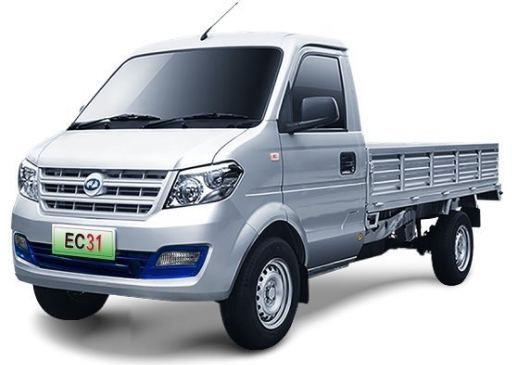
The Ruichi EC31 and EC31L are compact battery-electric light commercial vehicles produced by Ruichi Automobile, a new-energy commercial brand associated with the Seres Group and the broader DFSK industrial ecosystem. Introduced in the early 2020s and continuing in production into the mid-2020s, the EC31 family represents one of the company’s most important entries into the small electric logistics truck segment.
Designed for urban delivery, last-mile logistics, and light-duty commercial transport, the EC31 and its long-wheelbase EC31L variant prioritize cargo efficiency, low operating costs, and maneuverability in dense city environments. Together, they form the foundation of Ruichi’s compact electric truck lineup and serve as a stepping stone between micro vans like the EC35 and larger platforms such as the EC75.
Origins and Development Background
The Ruichi EC31 platform was developed during a period of rapid electrification in China’s commercial vehicle industry. Cities were increasingly restricting combustion-engine delivery vehicles, creating strong demand for compact electric logistics trucks with higher payload capacity and lower emissions.
Ruichi, already active in electric vans, introduced the EC31 as a purpose-built micro truck designed to compete in the “urban freight” category. The EC31L followed as an extended and improved version, offering more cargo space and higher load capacity.
The EC31 family is closely related to DFSK’s broader light commercial engineering strategy, sharing design philosophy and components with other Ruichi and DFSK electric utility vehicles.
Production began around 2022 to 2023, and both EC31 and EC31L remain in active production today as part of Ruichi’s commercial EV portfolio.
.

.
Production Timeline
| Model | Years Produced |
|---|---|
| Ruichi EC31 | Early 2020s–present |
| Ruichi EC31L | Early 2020s–present |
Both versions belong to the same generation platform, with the EC31L acting as the long-wheelbase, higher-capacity evolution of the EC31.
Vehicle Classification and Role
The EC31 family is classified as a small electric cargo truck / micro logistics vehicle. Unlike passenger vans, it is designed strictly for goods transport, although some variants allow limited crew seating.
Primary use cases include:
- Urban courier delivery
- Small business logistics
- Market and supermarket supply transport
- Construction material hauling (light loads)
- Municipal short-distance operations
Its compact size allows it to operate in narrow city streets where larger vans are restricted.
Dimensions and Cargo Design
The EC31 and EC31L share a similar structural architecture but differ in cargo capacity and overall length.
Ruichi EC31 (standard version)
Key characteristics:
- Length: approximately 191 inches (about 4,855 millimeters)
- Width: about 65 inches (1,660 millimeters)
- Height: about 78 inches (1,985 millimeters)
- Wheelbase: approximately 120 inches (3,050 millimeters)
Cargo box size typically:
- About 120 inches by 62 inches by 14 inches (varies by configuration)
- Cargo volume: approximately 6.9 cubic meters in optimized configurations
Rated payload:
- Around 2,600 pounds (approximately 1,180 kilograms)
Ruichi EC31L (long-wheelbase version)
The EC31L expands the platform for higher cargo capacity and improved stability.
Key characteristics:
- Length: approximately 191 to 193 inches depending on configuration
- Width: about 65 inches (1,660 millimeters)
- Height: up to about 86 inches in taller variants
- Wheelbase: approximately 120 inches (3,050 millimeters)
Cargo box improvements:
- Larger reinforced cargo compartment
- Increased usable volume up to about 7 cubic meters
- Stronger chassis and reinforced rear axle system
Payload capacity:
- Up to approximately 2,600 pounds (around 1,185 kilograms) in standard configurations
The EC31L is engineered for heavier daily logistics workloads and higher utilization fleets.
Exterior Design Evolution
The EC31 family uses a purely functional design optimized for efficiency rather than aesthetics.
Key exterior features include:
- Box-shaped cargo body for maximum volume efficiency
- Vertical front fascia with simple aerodynamic shaping
- Wide-opening rear cargo doors for forklift access
- Sliding or hinged side access depending on configuration
- Reinforced steel body structure for load stability
The EC31L introduced subtle refinements such as:
- Improved front-end airflow design
- Slightly taller roof variants for expanded cargo options
- Reinforced side panels for durability in heavy-duty use
Overall, design changes across the EC31 lifecycle have focused on utility and cost optimization rather than visual redesign.
Powertrain and Electric System
Both EC31 and EC31L use similar electric drivetrain systems designed for reliability and low operating costs.
Core specifications:
- Permanent magnet synchronous motor
- Maximum output: approximately 60 kilowatts (about 80 horsepower)
- Torque: around 220 newton-meters
- Drivetrain: rear-wheel drive in most configurations
Battery system:
- Lithium iron phosphate (LFP) battery chemistry
- Capacity: approximately 38 to 39 kilowatt-hours
- Designed for long cycle life and fleet durability
Range:
- Approximately 180 to 190 miles under ideal conditions (about 295 kilometers CLTC cycle)
This range is optimized for daily urban delivery routes rather than long-distance travel.
Charging Performance
Charging capability is designed for fleet operations:
- DC fast charging: about 1 to 1.5 hours to 80 percent
- AC slow charging: approximately 6 to 8 hours full charge
- Depot charging compatibility for overnight fleet use
This allows operators to integrate the EC31 family into standard logistics schedules without significant downtime.
Interior Layout and Cabin Design
The EC31 and EC31L feature a simple two-seat cabin focused on utility.
Interior characteristics include:
- Two-seat front cabin layout
- Minimalist dashboard with essential controls only
- Durable materials designed for heavy daily use
- Basic infotainment or radio system depending on trim
- Air conditioning available in most versions
The cabin is intentionally simplified to maximize durability and reduce maintenance costs.
Trim Levels and Model Variants
Unlike passenger vehicles, the EC31 family does not use traditional trim naming. Instead, it is offered in functional configurations based on cargo needs.
Standard Cargo Version (EC31)
- Two-seat configuration
- Fixed cargo bed or enclosed box
- Designed for general urban delivery
EC31L Extended Cargo Version
- Longer cargo body
- Reinforced suspension
- Higher payload efficiency for heavy-duty logistics
Flatbed Version
- Open cargo platform
- Easier loading for construction materials and pallets
Fence / Railing Version
- Semi-open cargo structure
- Used for mixed cargo transport and flexible loading
Specialized Logistics Variants
- Refrigerated cargo conversion (market-dependent)
- Express delivery fleet versions with enhanced durability packages
These variants allow operators to tailor the vehicle for different commercial applications.
Safety and Driver Assistance Systems
The EC31 family includes essential safety features suitable for urban commercial use:
- Anti-lock braking system (ABS)
- Electronic brakeforce distribution (EBD)
- Rear parking sensors (in many variants)
- Reversing camera in updated versions
- Tire pressure monitoring system
- Basic stability control systems
Higher-spec fleet versions may include additional monitoring systems for logistics management.
Market Position and Industry Role
The Ruichi EC31 and EC31L are positioned in the entry-level electric logistics truck segment, one of the fastest-growing categories in China’s commercial EV market.
Key strengths:
- High payload capacity for compact size
- Low operating and maintenance costs
- Zero-emission urban compliance
- Flexible cargo configurations
- Strong suitability for dense city logistics
Key limitations:
- Limited highway performance
- Basic comfort and interior design
- Restricted global brand recognition
- Dependence on charging infrastructure
Despite these limitations, the EC31 family has become widely used in urban fleet electrification programs.
Future Outlook
The EC31 platform is expected to evolve as commercial EV technology advances. Likely future developments include:
- Higher-capacity battery options for extended range
- Improved motor efficiency and power output
- Enhanced digital fleet tracking integration
- Faster charging systems for high-utilization fleets
- Possible replacement by next-generation smart logistics platforms
As Ruichi transitions toward more advanced EV architectures like the R5 and EC75 platforms, the EC31 may either be upgraded or gradually repositioned as an entry-level commercial vehicle.
The Ruichi EC31 and EC31L represent a foundational step in the electrification of urban logistics transport. Since their introduction in the early 2020s, they have provided an efficient, affordable, and practical solution for last-mile delivery and small-scale freight operations.
With their compact dimensions, strong payload capacity, and flexible configurations, these vehicles highlight how electric mobility is reshaping commercial transport in dense urban environments. As the market continues to evolve, the EC31 family is likely to remain an important benchmark in the development of compact electric logistics trucks.