The Evolution of the Karry Porpoise: China’s Modern Electric Logistics Van
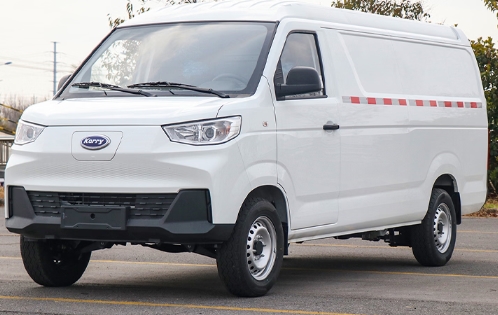
The Karry Porpoise is a relatively new but important entry in the rapidly expanding electric commercial vehicle segment. Introduced in 2022, the Porpoise represents a shift in strategy for its manufacturer, Karry, toward fully electric logistics vehicles. Although its production history is short compared to long-running passenger cars, the model has already evolved into multiple variants and trim configurations, reflecting the fast pace of development in China’s electric vehicle (EV) market.
Origins and Brand Background
To understand the Karry Porpoise, it is essential to examine the company behind it. Karry was established in 2009 as a subsidiary of Chery, focusing primarily on light commercial vehicles such as vans, microtrucks, and MPVs.
Initially, Karry produced gasoline-powered utility vehicles aimed at rural and small business users. Over time, the brand transitioned toward electrification, especially after China began aggressively promoting new energy vehicles in the late 2010s.
By 2019, Karry had already introduced electric vans like the Dolphin. The Porpoise followed as part of a new generation of EV-focused logistics vehicles, marking a significant step forward in design and technology.
.
THIS is GOOD stuff if your car is in need:

.
Introduction of the Karry Porpoise (2022)
Production Years:
2022–present
The Karry Porpoise officially entered production in June 2022 as a battery electric light commercial van.
It was designed specifically for:
- Urban logistics and delivery services
- Small business transportation
- Last-mile distribution
Unlike earlier Karry models that adapted gasoline platforms, the Porpoise was engineered from the outset as an electric vehicle.
Core Specifications (Launch Model)
- Layout: Rear-engine, rear-wheel drive
- Motor: Permanent magnet synchronous motor (~60 kW)
- Torque: ~220 Nm
- Battery: ~41.86 kWh lithium iron phosphate
- Range: ~177 miles (285 km)
- Top speed: ~50 mph
The design emphasized practicality, with a boxy cargo area offering approximately 6.6 cubic meters of storage space.
Early Configuration and Trim Structure (2022–2023)
At launch, the Karry Porpoise did not follow traditional passenger car trim naming conventions (such as “LX” or “Premium”). Instead, it was offered in configuration-based variants, tailored to commercial needs.
Primary Variants (2022–2023)
- Standard Cargo Van
- High-roof Cargo Variant (market-dependent)
- Fleet/Utility configurations
These variants differed in:
- Cargo capacity
- Interior equipment (basic vs. upgraded fleet features)
- Battery and range options (limited variations early on)
Because the vehicle targeted commercial buyers, trim levels were often simplified and bundled into fleet packages rather than retail-oriented trims.
Platform Expansion and Related Models
One of the defining aspects of the Porpoise is its flexible platform, which quickly expanded into multiple derivatives.
Gasoline Counterpart: Karry X6 (2022)
Launched alongside the Porpoise, the Karry X6 is a gasoline-powered micro truck sharing the same architecture.
- Engine: 1.6-liter gasoline
- Transmission: 5-speed manual
- Body styles: Single cab and crew cab
This dual approach allowed Karry to serve both EV and traditional markets simultaneously.
Electric Truck Variant: Little Elephant EV (2023)
In January 2023, Karry introduced the Little Elephant EV, a microtruck version of the Porpoise platform.
Key features:
- More powerful 85 kW electric motor
- Larger battery (~55.7 kWh)
- Faster charging capability
This variant expanded the platform into light-duty cargo transport beyond van applications.
Major Evolution: E5, E6, and E7 Variants (2024–Present)
Production Years:
2024–present (expanded lineup)
In 2024, the Karry Porpoise lineup underwent its most significant evolution, introducing multiple body sizes and effectively creating a full model family.
New Model Designations
- E5 (Short wheelbase version)
- E6 (Standard version, original model)
- E7 (Long wheelbase version)
Dimensions and Positioning
- E5: ~176.4 inches long (compact urban delivery)
- E6: ~186.9 inches long (standard configuration)
- E7: ~202.8 inches long (maximum cargo capacity)
These variations allowed the Porpoise to compete across multiple segments within the light commercial vehicle market.
Trim Levels (2024–Present)
With the introduction of the E-series, Karry expanded the trim structure into more defined configurations.
Typical trims and configurations include:
- Base / Fleet Standard
- Basic cargo configuration
- Steel wheels
- Minimal infotainment
- Mid-Level Utility
- Improved cabin materials
- Optional touchscreen
- Enhanced driver assistance
- High-Spec / Logistics Pro
- Advanced connectivity features
- Fleet management integration
- Upgraded comfort features
Although official naming varies by region and distributor, these tiers reflect the increasing sophistication of the model.
Rebadged and International Variants
The Karry Porpoise platform has been widely rebadged, demonstrating its flexibility and global potential.
Notable Variants
- Kaiyi Porpoise E5/E7 (rebadged for another Chery-affiliated brand)
- JAC Lanmao M1 (restyled variant)
- Chery Commercial Vehicle Dolphin K6/K7
- International versions (e.g., Katay 35C in Europe)
These rebadges allowed the platform to enter different markets under localized branding strategies.
Engineering and Design Philosophy
The Karry Porpoise reflects modern EV design priorities, particularly for commercial vehicles.
Key Engineering Features
- Rear-mounted motor: Improves cargo space and weight distribution
- Rear-wheel drive: Enhances load-carrying capability
- Frame chassis: Provides durability for commercial use
- Leaf-spring rear suspension: Optimized for heavy loads
Practical Design
- Sliding side doors for easy loading
- Flat cargo floor
- Modular interior configurations
These features make the Porpoise highly adaptable for logistics companies.
Market Position and Competitors
The Porpoise competes in the growing electric light commercial vehicle segment, particularly in China.
Key Competitors
- Electric vans from domestic Chinese manufacturers
- Earlier Karry models like the Dolphin
Strengths
- Purpose-built EV platform
- Multiple body sizes (E5, E6, E7)
- Competitive range and efficiency
- Flexible configurations
Limitations
- Limited global availability
- Modest top speed compared to passenger EVs
- Primarily focused on commercial use, not private buyers
Role in Karry’s Electrification Strategy
The Karry Porpoise plays a central role in the company’s transformation.
By the mid-2020s, Karry began shifting toward a fully electric product lineup, with the Porpoise, Dolphin, and Little Elephant forming the core of its offerings.
This transition reflects broader trends in China’s automotive industry, where government policies and urban regulations increasingly favor electric commercial vehicles.
Future Outlook
The future of the Karry Porpoise looks promising, particularly as demand for electric delivery vehicles continues to grow.
Expected Developments
- Expanded battery options
- Longer range variants
- Faster charging technology
- Advanced fleet integration
- Telematics systems
- Autonomous driving features (long-term)
- Global expansion
- Increased presence in Europe, Southeast Asia, and other regions
- Platform diversification
- Additional body styles and specialized commercial configurations
Given its modular design, the Porpoise platform is likely to remain in production for several years, evolving alongside advancements in EV technology.
The Karry Porpoise’s evolution, though relatively recent, demonstrates rapid development:
- 2022–2023: Initial launch with basic commercial configurations
- 2023: Expansion into truck variants like the Little Elephant EV
- 2024–present: Introduction of E5, E6, and E7 variants with expanded trims
Over this period, the model has grown from a single electric van into a multi-variant commercial platform with global applications.
The Karry Porpoise is not just a vehicle—it is a symbol of the transformation of China’s commercial vehicle sector toward electrification. With its adaptable design, expanding lineup, and alignment with global EV trends, it is poised to remain a key player in the future of urban logistics.