The Evolution of the Ruichi EC75: DFSK’s High-Capacity Electric Cargo and Passenger Van
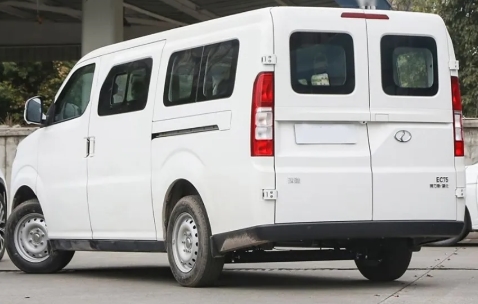
The Ruichi EC75 is a battery-electric light commercial van produced by Ruichi New Energy, a subsidiary within the Seres Group and closely linked to the broader DFSK industrial ecosystem. Introduced in 2024 and continuing into production today, the EC75 represents one of the company’s most advanced electric logistics platforms, designed for both cargo transport and passenger shuttle applications.
Positioned above smaller urban vans such as the Ruichi EC35 and alongside newer intelligent platforms like the Ruichi R5, the EC75 is intended for last-mile delivery fleets, municipal transport services, and multi-seat passenger conversion use. It reflects the rapid electrification of China’s commercial vehicle sector and Seres Group’s strategy to expand into scalable electric logistics solutions.
Origins and Development Background
The Ruichi EC75 was developed as part of Ruichi New Energy’s effort to modernize its commercial EV lineup with a larger, higher-capacity platform. Earlier Ruichi vans focused on compact urban delivery, but growing demand for higher payload capacity and longer-range electric logistics vehicles led to the development of the EC75.
The model was officially introduced in 2024 and is manufactured in Chongqing, China. It is closely related to DFSK’s broader commercial vehicle engineering base and shares design philosophy with other Seres Group electric logistics platforms.
The EC75 was designed with three core goals:
- Increase cargo volume for delivery fleets
- Extend electric driving range for inter-city logistics
- Improve digital fleet management capability
It is now one of the key standardized electric vans in Ruichi’s global export portfolio.
.

.
Production Timeline
| Model | Years Produced |
|---|---|
| Ruichi EC75 | 2024–present |
As a relatively new model, the EC75 has not yet undergone a generational redesign or full facelift cycle. All current versions belong to the first-generation platform.
Vehicle Classification and Platform
The Ruichi EC75 is classified as a light commercial electric van, offered in both cargo and passenger configurations. It uses a front-mounted motor with a front-wheel-drive layout and is built on a unibody commercial EV architecture designed for durability and efficiency.
Key structural goals include:
- Maximized cargo space efficiency
- Low-floor loading design for urban logistics
- Modular interior for cargo or passenger layouts
- Reinforced chassis for 1 to 3 ton payload capacity
This makes it suitable for courier fleets, refrigerated transport conversions, and shuttle services.
Dimensions and Cargo Capacity
The EC75 is significantly larger than compact Ruichi vans, emphasizing payload and interior volume.
Key dimensions:
- Length: about 202 inches (5,130 millimeters)
- Width: about 73 inches (1,860 millimeters)
- Height: about 80 inches (2,020 millimeters)
- Wheelbase: approximately 126 inches (3,200 millimeters)
Cargo specifications:
- Cargo volume: approximately 6.7 to 6.9 cubic meters
- Payload capacity: up to about 2.2 tons depending on configuration
These dimensions place the EC75 in the competitive mid-size electric van segment, optimized for urban and regional logistics.
Exterior Design Evolution
The EC75 introduces a modern, efficiency-driven design language consistent with newer Ruichi commercial vehicles.
Key design features include:
- Fully enclosed front fascia for aerodynamic efficiency
- Vertical LED lighting elements
- Large sliding side doors for loading efficiency
- Wide-opening rear cargo doors (up to 180 degrees)
- Clean, box-shaped body optimized for storage volume
Unlike passenger vehicles, styling is strictly functional, but later versions have refined lighting signatures and smoother front-end surfaces to improve aerodynamics and brand identity consistency.
Powertrain and Battery System
The Ruichi EC75 is fully electric and built for commercial duty cycles, prioritizing durability and efficiency over performance.
Core drivetrain specifications:
- Permanent magnet synchronous motor
- Maximum output: approximately 70 kilowatts (94 horsepower)
- Torque: about 230 newton-meters
- Layout: front-mounted motor with front-wheel drive
Battery system:
The EC75 is offered with multiple lithium iron phosphate (LFP) battery configurations:
- Approximately 41.8 kWh
- Approximately 50 kWh
- Up to about 52 kWh in higher-range versions
Range:
- Standard range: about 250 kilometers (CLTC cycle)
- Extended range versions: up to about 310 kilometers
- Passenger variants: up to approximately 330 kilometers in optimized configurations
This flexibility allows operators to choose configurations based on delivery density and route length.
Charging Performance
The EC75 supports both AC slow charging and DC fast charging.
Typical charging performance includes:
- Fast charging (20 percent to 80 percent): around 40 to 50 minutes depending on battery size
- Full AC charging: approximately 6 to 11 hours depending on charger output
These characteristics make it suitable for overnight depot charging and mid-day fleet replenishment cycles.
Interior Layout and Functionality
The interior of the Ruichi EC75 varies depending on whether it is configured as a cargo van or passenger shuttle.
Cargo configuration:
- Two-seat front cabin
- Minimalist dashboard design
- Large rear cargo bay
- Reinforced flooring for heavy loads
Passenger configuration:
- Seating for 6 to 11 passengers depending on layout
- Configurations such as 2+2+2 or multi-row shuttle layouts
- Sliding door access for ease of entry
The cabin is designed for durability and fleet efficiency rather than luxury comfort.
Trim Levels and Variants
Unlike passenger cars, the Ruichi EC75 is not organized into traditional consumer trim levels. Instead, it is offered in functional variants based on use case.
Cargo Van Version
- Maximum cargo space
- Two-seat configuration
- Designed for logistics and delivery fleets
Passenger Minibus Version
- 6 to 11 seat layouts depending on market
- Used for shuttle services and group transport
Refrigerated / Cold-Chain Version
- Temperature-controlled cargo space
- Used for food and pharmaceutical transport
Long-Range Fleet Version
- Larger battery pack configuration
- Extended driving range up to approximately 310 kilometers
These variants allow operators to tailor the vehicle to specific commercial needs rather than luxury preferences.
Safety and Driver Assistance Systems
The EC75 includes essential commercial safety systems:
- Anti-lock braking system (ABS)
- Electronic stability control
- Rear-view camera
- Parking sensors
- Tire pressure monitoring system
- Battery thermal management system
Higher-spec export versions may also include:
- 360-degree camera systems
- Advanced fleet monitoring connectivity
- Forward collision warning systems
These features support fleet safety and reduce operational risk in urban environments.
Market Position and Industry Role
The Ruichi EC75 is positioned as a mid-size electric logistics and passenger van, competing in a rapidly growing segment of commercial EVs.
Strengths:
- High cargo volume (around 6.9 cubic meters)
- Competitive electric range for urban logistics
- Flexible cargo and passenger configurations
- Low operating cost compared with diesel vans
- Strong suitability for fleet electrification
Challenges:
- Limited global brand recognition
- Early-stage product lifecycle
- Infrastructure dependency for fast charging in some regions
- Increasing competition from global commercial EV manufacturers
Despite these challenges, the EC75 is becoming an important model in China’s push toward electrified logistics fleets.
Relationship to Other Ruichi Models
The EC75 sits within a broader Ruichi commercial EV lineup:
- Ruichi EC35 (smaller urban van platform)
- Ruichi EC75 (mid-size high-capacity van)
- Ruichi R5 (next-generation intelligent logistics van)
Together, these models form a scalable ecosystem covering compact, mid-size, and advanced smart logistics applications.
Future Outlook
The future development of the Ruichi EC75 is expected to focus on:
- Larger battery packs with extended range beyond 310 kilometers
- Faster DC charging systems for high-utilization fleets
- Enhanced autonomous driving and fleet automation tools
- Expanded passenger and modular conversion options
- Integration with smart logistics platforms and AI route optimization
As the commercial EV market continues to grow, the EC75 is likely to evolve into a more technologically advanced platform or be complemented by next-generation Ruichi vans with higher automation and efficiency.
The Ruichi EC75 represents a significant step in the evolution of electric commercial vehicles within the Seres Group ecosystem. Introduced in 2024, it expands Ruichi’s capabilities into higher-capacity logistics and passenger transport while maintaining the efficiency and cost advantages of electric propulsion.
With its strong cargo volume, flexible configurations, and growing role in fleet electrification, the EC75 reflects the broader transformation of global urban logistics toward cleaner, smarter, and more efficient electric transport systems.