The Evolution of Toyota Pixis Space: A Compact Marvel of Japanese Engineering
In the ever-evolving automotive landscape, some vehicles carve out a unique niche by balancing practicality, affordability, and ingenuity. For decades, Toyota’s Pixis Space has exemplified this ethos in the world of kei cars—Japan’s iconic category of super-compact, fuel-efficient vehicles. Designed to meet the needs of urban dwellers, small businesses, and families, the Pixis Space is a testament to Toyota’s ability to adapt and innovate within strict regulatory parameters. This article explores the history, models, and future of the Pixis Space, shedding light on its enduring relevance in a market that has long favored miniature mobility solutions.
A Brief History of the Toyota Pixis Space
The story of the Pixis Space begins in the early 1980s, a period when Japan’s economy was booming and urbanization demanded vehicles that could navigate crowded cities and tight parking spaces. Toyota launched the original Pixis (rebranded as the “Pixis” in 1983) as a successor to the Toyota Publica, a staple of the kei car segment since the 1950s. The Pixis was engineered to comply with Japan’s kei car regulations, which limited vehicles to a maximum engine displacement of 660cc and a footprint of under 1.48 meters in width, 3.5 meters in height, and 4.7 meters in length.
The Pixis Space variant emerged as a direct response to consumer demand for more passenger and cargo space. Introduced in the first generation (1983–1987), the Space model was essentially a stretched version of the standard Pixis, offering a slightly longer wheelbase. This design allowed for improved seating and utility, making it ideal for families and small businesses. The Space quickly became the flagship of the Pixis lineup, a role it has retained through subsequent generations.
Over the years, the Pixis Space has evolved to incorporate modern technology, safety features, and design cues while remaining true to its kei car roots. Each generation has reflected shifts in Japanese society, from post-war economic priorities to contemporary demands for connectivity and sustainability.
.
NO MORE dead batteries with this:

.
Generations and Models: A Breakdown
The Toyota Pixis Space has undergone seven major redesigns since its debut. Below is a detailed overview of each generation, including production years, key features, and notable trims.
1st Generation (1983–1987): The Original
- Production Years: 1983–1987
- Engine: 658cc overhead valve (OHV) inline-three (3K engine, 34 horsepower)
- Drivetrain: Rear-wheel drive (RWD)
- Models/Trims:
- Pixis Space L (Base Model): A utilitarian option with minimal features, ideal for budget-conscious buyers.
- Pixis Space GL: Added comforts like an AM/FM radio, center console, and improved seating.
- Pixis Space DLX: Premium trim with a more refined interior, including fabric seats and basic climate control.
This initial run laid the groundwork for the Pixis Space’s reputation as a durable, space-efficient vehicle. The 3K engine, while modest by today’s standards, offered reliable performance for urban commutes.
2nd Generation (1988–1992): Refinement and Evolution
- Production Years: 1988–1992
- Engine: 658cc OHV inline-three (3K engine, 38 horsepower)
- Drivetrain: RWD
- Key Upgrades: Improved suspension for a smoother ride, updated body styling, and analog instrumentation.
- Models/Trims:
- Pixis Space L: Continued as the entry-level model.
- Pixis Space ML: Mid-tier trim with additional convenience features like a power steering upgrade.
- Pixis Space GLX: Top-of-the-line variant with leatherette seats, dual front airbags, and a cassette player.
This generation marked Toyota’s first steps toward infusing the Pixis Space with more luxury-oriented features, appealing to a broader demographic.
3rd Generation (1992–1997): The Transition to Fuel Injection
- Production Years: 1992–1997
- Engine: 657cc fuel-injected inline-three (4G engine, 43 horsepower)
- Drivetrain: RWD
- Key Innovation: Adoption of fuel injection improved fuel efficiency and reduced emissions.
- Models/Trims:
- Pixis Space L: Base trim with a focus on simplicity.
- Pixis Space MLX: Included a power sunroof and upgraded suspension.
- Pixis Space GLX: Added GPS navigation (a first for the kei car segment) and adaptive cruise control.
This era saw the Pixis Space compete more closely with models like the Suzuki Alto and Daihatsu Mira.
4th Generation (1997–2004): The Modern Era
- Production Years: 1997–2004
- Engine: 657cc fuel-injected inline-three (4G engine, 44 horsepower)
- Drivetrain: Front-wheel drive (FWD)
- Design Shift: Sleeker, more aerodynamic bodywork. A spacious interior with fold-flat rear seats.
- Models/Trims:
- Pixis Space X: Entry-level model with basic features.
- Pixis Space GLX: Premium trim with dual airbags, ABS, and a CD player.
- Pixis Space Custom: A cargo-focused variant with removable seats and a reinforced load floor.
The FWD layout enhanced stability and usability in adverse weather, a crucial factor in Japan’s changing climate.
5th Generation (2004–2013): Embracing Technology
- Production Years: 2004–2013
- Engine: 657cc fuel-injected inline-three (4G engine, 44 horsepower)
- Drivetrain: FWD
- Key Features: Digital dashboards, Bluetooth connectivity, and improved insulation for noise reduction.
- Models/Trims:
- Pixis Space X Plus: A mid-tier model with enhanced infotainment.
- Pixis Space Smart: Focused on fuel efficiency with aerodynamic improvements.
- Pixis Space Business: A workhorse variant with reinforced suspension and a towing package.
This generation aligned with Japan’s growing emphasis on environmental sustainability and driver-friendly tech.
6th Generation (2013–2016): Aesthetic Overhaul
- Production Years: 2013–2016
- Engine: 657cc fuel-injected inline-three (4G engine, 44 horsepower)
- Drivetrain: FWD
- Design Highlights: Sharp, bold styling inspired by Toyota’s global bZ (Beyond Zero) concept.
- Models/Trims:
- Pixis Space X Plus: Base model with modern amenities.
- Pixis Space Smart+: Advanced safety features, including lane departure warning.
- Pixis Space Custom+: A cargo variant with a 900kg load capacity.
Though engines remained unchanged, the 2013 redesign positioned the Pixis Space as a stylish urban companion.
7th Generation (2016–Present): Electrification and Innovation
- Production Years: 2016–2023 (and ongoing)
- Engines:
- 658cc fuel-injected inline-three (4G engine, 44 horsepower)
- Mild hybrid system (available on select trims)
- Drivetrain: FWD
- Key Innovations: Toyota’s T-Connect system, 360-degree camera, and a plug-in hybrid variant (limited release).
- Models/Trims:
- Pixis Space X Plus: Base model with advanced infotainment and smart entry.
- Pixis Space Smart+: Top trim with autonomous parking and adaptive cruise control.
- Pixis Space EV Concept: A zero-emission prototype showcased at 2020 Tokyo Motor Show.
This generation reflects Toyota’s push toward electrification while maintaining kei car compliance. The mild hybrid system improves fuel economy by 10–15%, a significant perk in Japan’s eco-conscious market.
The Pixis Space in Context: Culture and Functionality
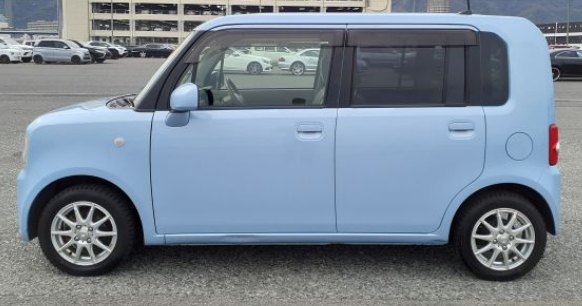
The Pixis Space is more than a vehicle—it’s a cultural artifact. In Japan, kei cars are prized for their ability to thrive in the densest urban environments. The Pixis Space’s compact size (measuring approximately 3.4 meters in length) allows it to maneuver through Tokyo’s narrow streets and park in spaces that would daunt larger cars. Its affordability and fuel efficiency (often achieving 35–40 mpg) make it a staple for young professionals and students.
For small businesses, the Pixis Space is a versatile fleet workhorse. The cargo variant can transport goods, tools, or even pets, while the rear seats fold to create a 2.7 cubic meter storage area. In rural areas, it serves as a reliable transportation solution where road conditions vary.
Future Outlook: What’s Next for the Pixis Space?
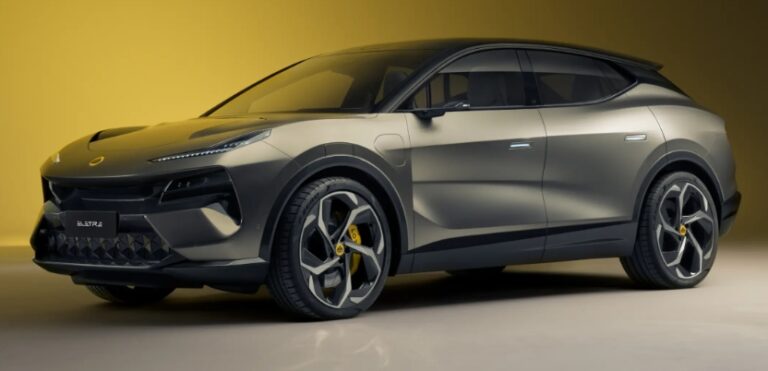
As global automakers pivot toward electrification, Toyota is poised to modernize the Pixis Space. While kei car regulations still cap engine size, the integration of plug-in hybrid (PHEV) or hydrogen fuel cell technology could redefine the segment. Rumors suggest a Pixis Space EV may debut as early as 2026, leveraging Toyota’s bZ platform. Such a move would align with Japan’s goal to phase out gasoline engines by 2035 and would position the Pixis Space as a leader in sustainable urban mobility.
Additionally, advancements in autonomous driving and AI integration could enhance the Pixis Space’s appeal. Features like hands-free lanekeeping and automated cargo management might attract tech-savvy buyers. Toyota may also explore partnerships with Japanese pop culture icons (e.g., Pokémon, Studio Ghibli) to create limited-edition variants, a tactic that boosts brand loyalty in Japan.
Other Notable Features and Legacy
- Safety Innovations: Over the years, the Pixis Space has incorporated ABS, airbags, and Toyota’s Vehicle Stability Control (VSC) system. In 2019, it became the first kei car to receive a NCAP five-star rating.
- Customization: Toyota’s “Toyopet Custom” division offers personalized body kits, interiors, and accessories for the Pixis Space, catering to enthusiasts.
- Global Influence: While the Pixis Space is exclusive to Japan, its design principles have inspired compact utilities like the Toyota Rush and Daihatsu Taft in Southeast Asia.
Conclusion: A Legend in Miniaturization
The Toyota Pixis Space is a remarkable example of how engineering constraints can foster creativity. By mastering the kei car format, Toyota has delivered a vehicle that is both practical and iconic. From its humble 1983 beginnings to its modern, tech-forward iterations, the Pixis Space has consistently met the needs of Japanese consumers while pushing the boundaries of what a compact vehicle can achieve.
As the world moves toward smarter, cleaner transportation, the Pixis Space remains a beacon of adaptive design. Whether navigating the streets of Osaka or serving as a delivery van in Kyoto, it proves that size isn’t everything—sometimes, it’s exactly right.