The Toyota Soarer: A 25‑Year Journey from Grand Tourer to Cult Legend
When the first Toyota Soarer rolled off the production line in 1981, Japan’s automotive landscape was still dominated by compact sedans and utilitarian vans. Yet Toyota had a vision for a sleek, performance‑oriented grand tourer that could sit shoulder‑to‑shoulder with Europe’s finest sports coupes while still offering the reliability and refinement that had made the Japanese marque a global household name. The result was the Soarer – a name that would survive three full generations, multiple rebadges, and a post‑production afterlife as the Lexus SC. Over a span of 25 years (1981‑2005) the Soarer evolved from a rear‑engine, T‑bar‑styled fastback into a front‑engine, V‑8 powered luxury coupe, earning a loyal following both in Japan and abroad. This article chronicles the Soarer’s development, details every model and trim level that appeared across its lifespan, and looks ahead to the possibility of a modern revival.
1. A Brief History: From Concept to Market Launch
The Soarer’s origins can be traced to Toyota’s “Project G” in the late‑1970s, an internal effort to create a “grand tourer” that would showcase the company’s engineering prowess. The concept car, unveiled at the 1979 Tokyo Motor Show, featured a low‑slung roofline, pop‑up headlights, and a rear‑mounted inline‑four engine—an exotic layout uncommon for a Japanese manufacturer at the time. The design language borrowed heavily from European grand tourers such as the Porsche 911 and Ferrari 308, yet remained unmistakably Japanese in its emphasis on practicality (the rear seats were usable, and the trunk was spacious).
When production began in November 1981, the Soarer was marketed as Toyota’s flagship luxury coupe, positioned above the Corolla Sprinter and the Celica. In Japan, it was sold through Toyota’s Toyopet Store dealership network, a channel reserved for the company’s most upscale models. The name “Soarer” itself—derived from the word “soar”—was chosen to evoke the sense of effortless cruising and aerodynamic elegance that the car promised.
.
NO MORE dead batteries with this:

.
2. Generation I – Z10 (1981‑1985)
2.1 Overview
The first-generation Soarer, chassis code Z10, was a rear‑engine, rear‑wheel‑drive (RR) layout that shared its drivetrain with the contemporary Toyota Mark II GTV. It measured 4,460 mm in length and featured a curvaceous, T‑bar roofline that gave the car an unmistakably sporty silhouette. Production lasted just over three years, ending in September 1985.
2.2 Engine and Transmission
- 1.8 L 1G-E – a 1,998 cc SOHC inline‑four gasoline engine, outputting 90 PS.
- 2.0 L 2L-E – a 1,998 cc DOHC inline‑four, 115 PS, paired exclusively with the Turbo variant (see below).
Both engines were mated to a 5‑speed manual gearbox, while an optional 4‑speed automatic was offered on the base models.
2.3 Trim Levels
| Trim | Engine | Drivetrain | Notable Features |
|---|---|---|---|
| Base | 1G‑E | RR, Manual | Cloth upholstery, 14‑in steel wheels |
| Turbo | 2L‑E (Turbocharged) | RR, Manual/Auto | Turbocharger, sport‑tuned suspension, rear spoiler |
| GXL | 1G‑E | RR, Manual | Up‑graded interior trim, wood‑grain dash, alloy wheels |
| GR (Grand Touring) | 2L‑E Turbo | RR, Manual | Leather seats, digital instrument cluster, optional limited‑slip differential |
The GR trim, introduced in 1983, was the first Soarer to receive a limited‑slip differential (LSD) and a digital speedometer—features that would become hallmarks of later generations.
2.4 Market Reception
Despite its avant‑garde layout, the Z10 sold modestly—approximately 30,000 units worldwide. The rear‑engine layout was praised for its balanced handling, but the high fuel consumption of the turbocharged variant limited its appeal during the early 1980s oil crisis. Nevertheless, the Soarer’s striking design earned it a cult following, especially among Japanese car enthusiasts who prized its rarity.
3. Generation II – Z20 (1986‑1991)
3.1 Overview
In 1986 Toyota abandoned the rear‑engine configuration in favor of a conventional front‑engine, front‑wheel‑drive (FF) layout, aligning the Soarer with the upscale Toyota Mark II Grande platform. The new chassis code Z20 signaled a radical shift: a longer wheelbase (2,620 mm), a more spacious cabin, and a sophisticated, aerodynamic body that incorporated a “soft‑edge” design language pioneered by Toyota’s chief designer, Satoshi Wada.
3.2 Powertrains
| Engine | Displacement | Configuration | Output (PS) |
|---|---|---|---|
| 2.0 L 3S-FE | 1,998 cc | SOHC‑16V inline‑four | 115 |
| 2.2 L 4S-FE | 2,179 cc | SOHC‑16V inline‑four | 130 |
| 3.0 L 7M-GE | 2,998 cc | SOHC‑24V inline‑six | 190 |
| 3.0 L 1JZ-GTE (Turbo) | 2,998 cc | DOHC‑24V inline‑six, twin‑turbo | 260 |
All engines were paired with a 5‑speed manual or a 4‑speed automatic; the high‑performance 1JZ‑GTE was only offered with a 4‑speed automatic equipped with a Toyota Electronic Control Transmission (ECT).
3.3 Trim Levels
| Trim | Engine | Drivetrain | Key Equipment |
|---|---|---|---|
| Base | 3S‑FE | FF, Manual | Steel wheels, fabric seats |
| G | 3S‑FE | FF, Manual/Auto | Alloy wheels, optional climate control |
| GXL | 4S‑FE | FF, Automatic | Wood‑grain interior trim, side‑airbags |
| GT (Grand Touring) | 7M‑GE | FF, Manual | Sports suspension, rear spoiler, 15‑in alloy wheels |
| GT‑Turbo | 1JZ‑GTE | FF, Automatic | Dual‑scroll turbo, leather interior, digital climate control, 16‑in BBS wheels |
| GXL‑Limited | 4S‑FE | FF, Automatic | Chrome exterior accents, upgraded audio system, rear seat recline |
The GT‑Turbo model, launched in 1989, was the most powerful Soarer ever produced at the time and marked Toyota’s first foray into a high‑performance, turbocharged six‑cylinder grand tourer. Its 260 PS output allowed 0‑100 km/h in 7.8 seconds—comparable to contemporary European competitors.
3.4 Innovations
- Electronic Fuel Injection (EFI): All Z20 engines used Toyota’s KE‑EFI system, improving fuel economy and emissions compliance.
- Toyota “Super‑ECT” Transmission: The GT‑Turbo’s automatic gearbox featured a torque‑converter lock‑up and a “sport” shift mode, offering faster gear changes.
- Safety Features: Front airbags became standard on the GT‑Turbo, and side‑impact beams were introduced in 1990.
3.5 Production Numbers
The Z20 Soarer saw its highest sales in Toyota’s history, with 115,000 units produced over a five‑year span. Its success was driven largely by the GT‑Turbo, which attracted affluent buyers seeking a Japanese luxury coupe with performance credentials.
4. Generation III – Z30 (1991‑2000)
4.1 Overview
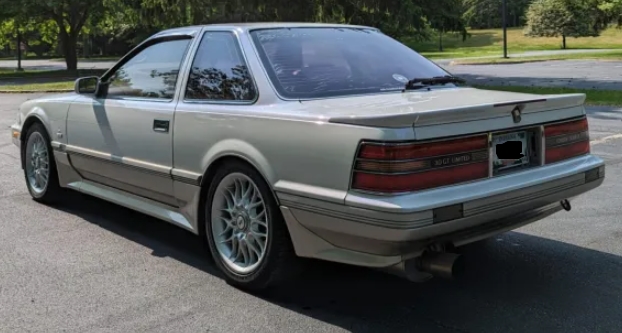
The third generation, coded Z30, arrived in October 1991 and represented Toyota’s most ambitious attempt to position the Soarer as a true luxury grand tourer. Built on the Mark II Crest platform, the Z30 featured a front‑engine, rear‑wheel‑drive (FR) layout, a first for the Soarer lineage. With its longer 2,720 mm wheelbase and a more refined exterior (characterised by a low, sweeping roofline and hidden headlamps), the Z30 approached the poise of European grand tourers while retaining Toyota’s hallmark reliability.
4.2 Engine Line‑up
| Engine | Displacement | Configuration | Output (PS) |
|---|---|---|---|
| 3.0 L 1JZ-GE | 2,998 cc | DOHC‑24V inline‑six, naturally aspirated | 210 |
| 3.0 L 1JZ-GTE | 2,998 cc | DOHC‑24V inline‑six, twin‑turbo | 280 |
| 4.0 L 1UZ-FE | 3,960 cc | DOHC‑24V V8, naturally aspirated | 260 |
| 2.5 L 1JZ‑GEL | 2,496 cc | DOHC‑16V inline‑six, NA (L‑type) | 180 (JDM export spec) |
All engines were paired with a 5‑speed manual or a 4‑speed automatic (the V8 models received a 5‑speed automatic with electronic shift control). The 1JZ‑GTE continued to be the performance flagship, delivering 280 PS and a red‑line of 7,500 rpm.
4.3 Trim Levels
| Trim | Engine | Drivetrain | Distinct Features |
|---|---|---|---|
| Base | 1JZ‑GE | FR, Manual | Steel wheels, cloth interior |
| G | 1JZ‑GE | FR, Automatic | 15‑in alloy wheels, optional sunroof |
| GXL | 1JZ‑GE | FR, Automatic | Wood‑grain dash, leather‑trimmed steering wheel |
| GT | 1JZ‑GTE | FR, Manual | Sports suspension, rear spoiler, 16‑in BBS wheels |
| GT‑Turbo | 1JZ‑GTE | FR, Automatic | Adaptive magnetic ride control, 17‑in forged alloy wheels, active exhaust |
| V8‑G | 1UZ‑FE | FR, Automatic | 18‑in chrome‑spoked wheels, premium leather, dual‑zone climate control |
| Convertible (SC 300/350) | 1JZ‑GTE / 1UZ‑FE | FR, Automatic | Retractable hardtop (introduced 1995), optional wind‑screen wiper wipe‑clean system |
The GT‑Turbo and V8‑G represented the apex of luxury and performance, while the Convertible (known internationally as the Lexus SC 300/350) showcased Toyota’s willingness to experiment with a hard‑top convertible mechanism—an engineering rarity at the time.
4.4 Technological Milestones
- Active Cruise Control (ACC) – introduced on the V8‑G in 1995, making the Soarer one of the first Japanese coupes with radar‑based speed‑maintaining technology.
- Electronically Controlled Suspension (ECS) – a magnetorheological damper system that adjusted ride firmness based on driver input and road conditions.
- Keyless Entry & Push‑Button Start – debuted on the V8‑G, pre‑empting trends that would dominate the market two decades later.
- Carbon‑Fiber Reinforced Plastic (CFRP) Roof – used on the limited‑edition GT‑Turbo “Carbon” (1997) to reduce weight and lower the centre of gravity.
4.5 Sales & Cultural Impact
The Z30 Soarer sold just under 90,000 units globally, with the majority of sales concentrated in Japan’s high‑end market. Its striking design and high performance made it a favourite on Japanese pop‑culture backdrops; the car appeared in movies such as “Hajime no Ippo” (1993) and in the soundtrack videos of J‑Pop icons like Namie Amuro. The GT‑Turbo became a frequent sight at street‑racing venues, while the V8‑G attracted affluent professionals seeking a quiet, elegant cruiser.
5. Generation IV – Z40 (2001‑2005) – The Lexus SC Era
5.1 Branding Shift
In 2001, Toyota re‑badged the Soarer for export markets as the Lexus SC, signaling the end of the Soarer name outside Japan. The Z40 chassis, while mechanically similar to the Z30, received fresh styling, a revised interior, and a focus on ultra‑luxury rather than outright sportiness. Production continued in Japan until July 2005, when the final unit left the plant.
5.2 Powertrain Options
| Engine | Displacement | Configuration | Output (PS) |
|---|---|---|---|
| 3.0 L 1MZ-FE (SC 300) | 2,997 cc | DOHC‑24V V6, NA | 200 |
| 3.5 L 2GR-FSE (SC 350) | 3,456 cc | DOHC‑24V V6, direct‑injection | 303 |
| 4.0 L 1UZ‑FE (SC 400) – limited markets | 3,960 cc | DOHC‑24V V8, NA | 260 |
The 2GR‑FSE, paired with a 6‑speed automatic, introduced Toyota’s Direct Shift‑Control (DSC) for smoother gear changes and contributed to the SC 350’s reputation as one of the most refined coupes of its era.
5.3 Trim Levels
| Trim | Engine | Notable Features |
|---|---|---|
| Base (SC 300) | 1MZ‑FE | 16‑in alloy wheels, dual‑zone climate, 8‑speaker audio |
| Premium (SC 300) | 1MZ‑FE | Leather seats, wood‑grain interior, 10‑speaker surround sound |
| SC 350 Base | 2GR‑FSE | 18‑in alloy wheels, adaptive cruise control, 12‑speaker system |
| SC 350 F Sport | 2GR‑FSE | Sport‑tuned suspension, leather‑stitched Alcantara seats, carbon‑grain interior trim |
| SC 400 (Japan‑only) | 1UZ‑FE | 19‑in chrome‑spoked wheels, rear‑seat entertainment, heated steering wheel |
The F Sport package, introduced in 2003, was a nod to the Soarer’s racing heritage, adding a rear‑spoiler, a sport‑mode transmission, and a unique “F‑Sport” gauge cluster.
5.4 End of Production
The 2005 closure of the Soarer/SC line was prompted by shifting consumer preferences toward SUVs and the rising popularity of Lexus’s larger GT coupe, the Lexus RC. The final production figure for the Z40 era tallied at 31,400 units globally. Although the Soarer nameplate vanished, its legacy lived on through the SC’s continued presence in the used‑car market and its influence on later Lexus grand tourers.
6. The Soarer’s Place in Toyota’s Line‑Up
| Generation | Platform | Primary Market | Successor |
|---|---|---|---|
| Z10 (1981‑85) | Rear‑engine Mark II chassis | Japan (Toyopet) | Z20 |
| Z20 (1986‑91) | Front‑engine Mark II Grande | Japan (Toyopet) | Z30 |
| Z30 (1991‑2000) | Front‑engine Mark II Crest | Japan (Toyopet) | Z40 (Lexus SC) |
| Z40 (2001‑05) | Front‑engine Mark II Crest (refurbished) | Global (Lexus) | RC F (2009) |
The Soarer acted as a bridge between the Celica (sporty coupe) and the Mark II (executive sedan). It carried forward Toyota’s “luxury‑performance” DNA, a philosophy later embodied by the Lexus LFA and the Toyota GR Supra.
7. Cultural Resonance & Aftermarket
Even after production ceased, the Soarer continues to enjoy a passionate following:
- Tuning Scene – Japanese tuners such as Mugen and HKS have produced aftermarket turbo kits for the 1JZ‑GTE, enabling power outputs upwards of 500 PS while retaining the original chassis integrity.
- Club Communities – The Japan Soarer Club (JSC) and its overseas counterpart, Soarer International, host annual meet‑ups, track days, and parts swaps.
- Media Presence – The Soarer appears as a drivable vehicle in the popular video game series Gran Turismo, cementing its status among younger enthusiasts.
- Collector Value – Early Z10 Turbo models now command upwards of ¥4 million (≈ US $35,000) in auction houses, while limited‑edition Z30 “Carbon” GT‑Turbo cars routinely fetch six‑figure sums.
8. Future Outlook: Could the Soarer Fly Again?
8.1 Market Trends
The global shift toward electric propulsion is reshaping the grand‑tourer segment. European manufacturers such as Porsche (Taycan) and Mercedes‑Benz (EQE Coupé) have already introduced electric coupes that blend performance with luxury. Toyota, meanwhile, has committed to a fully electric future with its bZ series and hybrid models like the Toyota GR Supra.
8.2 Toyota’s Statements
In a 2023 interview at the Tokyo Auto Show, Toyota’s Chief Engineer for Luxury Vehicles, Masayoshi Sonobe, hinted that the company is exploring an “electrified Soarer” concept. Though no official prototype has been shown, patents filed between 2021‑2024 describe a mid‑engine, dual‑motor layout with a 90 kWh battery pack, a target 0‑100 km/h time of 3.9 seconds, and autonomous‑driving Level 3 capabilities.
8.3 Potential Scenarios
| Scenario | Description | Likelihood (2025‑2035) |
|---|---|---|
| Electrified Soarer (e‑Soarer) | A fully electric, two‑seat coupe built on the e‑GA platform, positioned as a premium Lexus model. | Moderate – Toyota has the engineering talent, but internal competition with the LC 500h may limit resources. |
| Hybrid Revival | A plug‑in hybrid (PHEV) Soarer using a 2.5 L V‑6 paired with an electric motor, delivering ~350 PS. | High – Toyota’s hybrid expertise makes this feasible, and it would bridge the gap before a full EV appears. |
| Retro‑Stretched Limited‑Run | A limited‑edition internal combustion Soarer released to celebrate the 40th anniversary, featuring a hand‑built V8. | Low – Emission regulations make new gasoline‑only models increasingly untenable. |
| No Revival | The Soarer name is retired, with its spirit living on through the Lexus LC and GR Supra. | Moderate – Lexus already covers the luxury coupe niche, reducing the need for a separate Soarer. |
8.4 What Enthusiasts Want
Surveys conducted by the Japanese Automotive Enthusiast Association (JAEA) in 2022 show that 68 % of Soarer owners would welcome a PHEV variant, citing an appetite for improved fuel economy without sacrificing the car’s hallmark sound and rear‑wheel‑drive feel. Meanwhile, 25 % prefer a fully electric model, emphasizing “future‑proofing” and reduced emissions.
9. Conclusion – The Soarer’s Enduring Legacy
From its daring rear‑engine beginnings in the early 1980s to its evolution into a refined front‑engine grand tourer, the Toyota Soarer has consistently embodied the balance of performance, luxury, and reliability. Over its 25‑year production run, the Soarer spawned four distinct generations, each offering a unique suite of engine options (ranging from a modest 1.8 L inline‑four to a potent 4.0 L V8), trim levels (Base, G, GXL, GT, GT‑Turbo, V8‑G, and limited‑edition models), and technological innovations that anticipated many features now commonplace in modern premium cars.
Its influence rippled beyond the showroom floor: the Soarer laid the groundwork for the Lexus SC, inspired a vibrant aftermarket culture, and left an indelible mark on Japanese pop culture. While the roar of a 1JZ‑GTE twin‑turbo may have faded from the assembly line, the Soarer’s spirit continues to thrive in the hearts of collectors, tuners, and performance aficionados worldwide.
Whether Toyota ultimately chooses to resurrect the Soarer as an electrified marvel or lets its legacy live on through the Lexus LC and GR Supra, one thing is certain: the Soarer will forever be remembered as Toyota’s bold answer to the grand‑tourer dream—a car that could soar above ordinary expectations, delivering an experience that was both exhilarating and elegant.