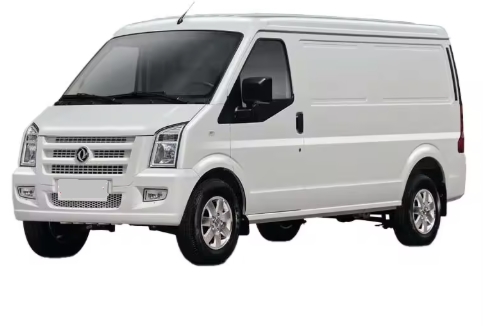
The Evolution of the DFSK C35: DFSK’s Compact Cargo Van for Global Commercial Markets
The DFSK C35 is one of the most important compact commercial vans produced by DFSK Motor, the Chinese automotive manufacturer jointly established by Dongfeng Motor Corporation and Chongqing Sokon Industry, now known as Seres Group. Introduced during the 2010s, the C35 became a key commercial vehicle for urban logistics, small-business transportation, delivery fleets, and passenger shuttle operations in China and various export markets.
Designed as a larger and more modern alternative to DFSK’s earlier microvans such as the K07, the C35 helped DFSK move toward more refined and globally competitive light commercial vehicles. Over time, the model evolved through multiple updates, expanded trim levels, electric variants, and international adaptations.
Although not officially sold in the United States in large numbers, the DFSK C35 gained attention in international markets because of its low operating costs, flexible cargo space, and affordable pricing.
Origins of the DFSK C35
The DFSK C35 traces its roots to DFSK’s broader strategy of expanding beyond basic microvans and compact pickups during the late 2000s and early 2010s.
DFSK was founded in 2003 as a joint venture between:
- Dongfeng Motor Corporation
- Chongqing Sokon Industry Group
The company initially focused on inexpensive utility vehicles such as:
- DFSK K07 microvan
- DFSK K01 pickup
- DFSK K02 utility truck
As China’s economy modernized, demand grew for larger, more comfortable, and safer commercial vans capable of supporting expanding urban delivery and logistics industries.
To meet this demand, DFSK developed the C-Series vans, including the C35.
The DFSK C35 officially entered production around 2012 as a compact panel van and passenger van platform designed for both domestic and international markets.
The vehicle was designed to compete against:
- Wuling Hongguang
- Changan Star vans
- Suzuki Every
- Daihatsu Gran Max
- Nissan NV200
Vehicle Design and Engineering
Compared with earlier DFSK microvans, the C35 featured a more modern design and improved engineering.
The vehicle adopted:
- Semi-bonnet front-end styling
- Front-engine layout
- Rear-wheel drive
- Larger cabin dimensions
- Improved crash structure
- More passenger-friendly ergonomics
The front-engine layout represented a major improvement over earlier rear-engine DFSK vans because it enhanced:
- Safety
- Cabin comfort
- Noise reduction
- Weight distribution
The C35 measured approximately:
- 177 inches long
- 66 inches wide
- 77 inches tall
- 120-inch wheelbase
These dimensions gave the van significantly more cargo and passenger room than older DFSK K-Series vehicles.
.

.
First-Generation DFSK C35 (2012–Present)
The first-generation C35 debuted as both a cargo van and passenger vehicle.
The lineup included:
- Panel vans
- Window vans
- Passenger shuttle versions
- Cargo delivery models
The vehicle became popular among:
- Delivery businesses
- Tradespeople
- Taxi operators
- Shuttle companies
- Municipal fleets
- Small businesses
Engines and Powertrains
The DFSK C35 primarily used small gasoline-powered four-cylinder engines focused on economy and reliability.
Engine options throughout production included:
- 1.2-liter inline-four gasoline engine
- 1.5-liter inline-four gasoline engine
Transmission options included:
- Five-speed manual transmission
- Limited automatic transmission availability in some export markets
Power output ranged from approximately:
- 82 horsepower
- 116 horsepower
The van prioritized fuel economy and durability rather than high performance.
2012–2015 DFSK C35 Trim Levels
During its early years, the C35 was offered in several basic commercial-oriented trims.
Cargo Models
- DFSK C35 Cargo
- DFSK C35 Panel Van
- DFSK C35 Utility Edition
Passenger Models
- DFSK C35 Passenger
- DFSK C35 Shuttle
- DFSK C35 Family Van
Most early trims focused on practicality and affordability.
Standard equipment commonly included:
- Manual air conditioning
- Vinyl or cloth seating
- Manual windows
- Basic audio systems
- Steel wheels
Higher trims occasionally added:
- Power steering
- Improved seating materials
- Upgraded interior trim
- Rear air conditioning
Expansion Into Global Markets
The DFSK C35 became one of DFSK’s major export products during the 2010s.
The vehicle was exported throughout:
- South America
- Southeast Asia
- Eastern Europe
- Africa
- The Middle East
The van gained popularity because it offered:
- Lower purchase prices than Japanese rivals
- Simple maintenance
- Good cargo capacity
- Reasonable fuel economy
- Flexible body configurations
Certain countries assembled the vehicle locally to reduce import taxes and improve affordability.
The C35 also appeared under alternate branding in some regions connected to Dongfeng or local distributors.
Mid-Cycle Updates and Improvements
As competition intensified, DFSK gradually updated the C35 throughout the late 2010s.
Major improvements included:
- Revised front fascia
- Updated headlights
- Improved dashboard design
- Better sound insulation
- Enhanced seat comfort
- Improved emissions compliance
- Strengthened body structure
Safety equipment also improved over time.
Later models added:
- Anti-lock braking systems (ABS)
- Driver airbags
- Rear parking sensors
- Electronic brake-force distribution
These upgrades helped the C35 remain competitive in increasingly regulated international markets.
DFSK C35 Electric Variants
One of the most important developments in the C35’s evolution was the introduction of electric commercial variants.
As governments worldwide encouraged low-emissions commercial transportation, DFSK developed battery-electric versions of the C35 for urban delivery use.
DFSK EC35
The electric variant became known as the DFSK EC35.
The EC35 featured:
- Fully electric drivetrain
- Lithium-ion battery packs
- Zero tailpipe emissions
- Quiet operation
- Lower operating costs
The EC35 targeted:
- Urban logistics fleets
- Delivery companies
- Government vehicle fleets
- Last-mile delivery operations
Battery range varied depending on version, but many models offered approximately:
- 150–180 miles of driving range under Chinese testing standards
The electric versions became especially popular in Chinese urban fleet markets.
2020–Present Trim Levels
The modern C35 lineup expanded significantly depending on market and drivetrain.
Gasoline Models
- C35 Standard
- C35 Comfort
- C35 Cargo Pro
- C35 Passenger Deluxe
Electric Models
- EC35 Standard Range
- EC35 Long Range
- EC35 Cargo EV
- EC35 Fleet Edition
Some export markets also offered:
- Refrigerated cargo versions
- Ambulance conversions
- Mobile workshop conversions
- Utility-service configurations
Manufacturing and Factory Operations
The DFSK C35 is primarily manufactured in Chongqing, China.
Production facilities use:
- Robotic welding systems
- Shared-platform assembly lines
- Digital quality-control monitoring
- High-volume commercial vehicle manufacturing
Because the C35 shares engineering with other DFSK commercial vehicles, production efficiency remains relatively high.
DFSK also established certain overseas assembly operations and partnerships in:
- Indonesia
- Pakistan
- Iran
- South America
These international operations helped reduce production costs and improve regional availability.
Consumer Reception
The DFSK C35 generally received positive reviews from commercial users seeking inexpensive transportation solutions.
Owners commonly praised:
- Affordable pricing
- Large cargo area
- Good maneuverability
- Easy maintenance
- Fuel economy
- Simple mechanical design
The EC35 electric version also gained attention for:
- Low operating costs
- Quiet urban driving
- Fleet practicality
However, criticism often focused on:
- Basic interior quality
- Limited refinement
- Modest performance
- Sparse luxury features
- Lower crash-test ratings compared with European rivals
Despite these limitations, the C35 became highly successful in value-oriented markets.
Online commercial vehicle communities frequently compared the C35 to low-cost Japanese compact vans because of its practical layout and commercial focus.
Competition and Market Position
The DFSK C35 competed against several compact commercial vans globally, including:
- Nissan NV200
- Wuling Hongguang
- Changan Honor
- Suzuki Every
- Daihatsu Gran Max
DFSK differentiated the C35 through:
- Competitive pricing
- Broad export availability
- Flexible body configurations
- Affordable electric variants
The EC35 also helped DFSK establish an early foothold in the growing electric commercial van market.
Future Outlook
As of 2026, the DFSK C35 and EC35 remain in production in several global markets.
Future development is expected to focus on:
- Expanded electric vehicle production
- Improved battery technology
- Better safety systems
- Updated interiors
- Enhanced connectivity features
- Fleet-focused software integration
Although competition in the compact commercial van segment continues increasing, the C35 remains important in developing markets and urban delivery operations where affordability and practicality remain critical.
The DFSK C35 ultimately became far more than simply another low-cost cargo van. It represented DFSK’s transition from basic microvans toward more modern commercial vehicles and helped the company expand its presence in both global export markets and the growing electric commercial vehicle industry.