The Evolution of the Isuzu I‑Mark: A Unique Chapter in Compact Car History
The Isuzu I‑Mark occupies a fascinating niche in automotive history — a compact, affordable Japanese‑built car that found a unique identity in the United States and Canada through the 1980s. Produced and marketed from 1981 until 1989, the I‑Mark was essentially Isuzu’s version of the Isuzu Gemini — a reliable subcompact that, under different badges and trim levels, sought to compete with the Japanese and domestic small cars of its era. Across two distinct generations and a variety of body styles, engines, and trim levels, the I‑Mark reflected both Isuzu’s automotive ambitions and the challenges of foreign brands in North America during that time.
Origins and Brief History
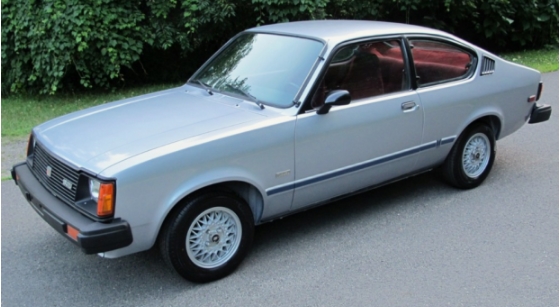
The I‑Mark’s story begins with the Isuzu Gemini, a subcompact model introduced in Japan and sold in various markets around the world. In the United States, Isuzu initially sold the Gemini platform under the somewhat awkward name “Buick Opel” by Isuzu through Buick dealers in the late 1970s. In 1980, Isuzu took over sales independently and renamed the compact car the I‑Mark for the U.S. and Canadian markets.
The I‑Mark nameplate would serve as Isuzu’s primary small car entry in North America for most of the 1980s, offering both practicality and — in later years — performance‑oriented variants. While never as popular as competitors from Toyota and Honda, the model carved out a loyal following thanks to its affordability, practicality, and in some trims, peppy performance.
.

.
First Generation (1981–1985): Rear‑Drive Beginnings
The first generation I‑Mark was fundamentally a rebadged and slightly restyled version of the Chevrolet Chevette‑related Isuzu Gemini. Built on General Motors’ T‑car platform, it featured rear‑wheel drive at a time when many competitors were transitioning to front‑drive layouts.
Body Styles and Powertrains
This early I‑Mark was offered in two body configurations:
- 2‑door coupe — a compact sportier profile.
- 4‑door sedan — a practical family‑oriented configuration.
Engine choices included:
- A 1.8‑liter gasoline four‑cylinder producing around 80 hp — providing decent economy and everyday usability.
- A 1.8‑liter diesel four‑cylinder (producing roughly 51 hp) — an unusual offering for a U.S. market small car at the time, aimed at economy‑focused drivers.
Transmission options were a five‑speed manual as standard, with a three‑speed automatic available as an option.
Trim Levels
Trim designations for this era were modest but typical of early 1980s nomenclature:
- Base/Budget: A no‑frills version aimed at entry‑level buyers.
- Deluxe: Slightly more equipment such as better upholstery and convenience features.
- LS: A higher‑end trim that included more interior appointments and optional extras.
The I‑Mark’s rear‑drive layout and simple mechanics offered durability and straightforward maintenance, but by the mid‑1980s, front‑wheel drive had become standard in this segment — prompting a significant redesign.
Second Generation (1986–1989): Front‑Wheel Drive and Modern Refinement
In 1986, Isuzu introduced the second generation I‑Mark — now based on an all‑new front‑wheel‑drive platform shared with the contemporary Isuzu Gemini sold in Japan and some overseas markets. This marked a major shift in dynamics, packaging, and market positioning.
Body Styles and Design
The redesigned I‑Mark was offered in:
- Two‑door hatchback — for buyers seeking a sportier, compact package.
- Four‑door sedan — targeting those needing more practicality.
Both body styles shared a clean, slightly European‑inspired design that contrasted with the more utilitarian look of the previous generation.
Engines and Performance
Most 1986–1989 I‑Mark models were powered by a 1.5‑liter four‑cylinder engine rated at about 70 hp, paired with manual or optional automatic transmissions — typical of small cars of the era.
In later years, turbocharged variants joined the lineup, bringing more spirited performance. For example:
- A turbocharged 1.5‑liter engine producing around 110 hp appeared in RS and later LS versions.
- In 1989, the top‑end RS Twin‑Cam model boasted a 1.6‑liter DOHC engine producing around 125 hp, coupled with enhanced handling features. These sport‑oriented I‑Marks are considered rarities today and offered handling improvements such as suspension tweaks by Lotus on some trims.
Trim Levels and Equipment
During the late 1980s, the I‑Mark lineup expanded to include a broader range of trim levels that reflected consumer trends toward more customization and performance options:
1986–1987 I‑Mark trims (typical examples):
- S Hatchback / Sedan: Basic models with standard cloth upholstery and essential features.
- S Turbo Hatchback / Sedan: Enhanced with a turbocharged engine and additional performance hardware.
- RS Turbo Hatchback / RS Turbo Sedan: Sportier variants with handling upgrades and sport trim cues.
1988–1989 Trim Evolution:
By 1988–1989, trim names diversified further:
- S Hatchback / Sedan: Base models remaining economy‑focused.
- XS Hatchback / XS Sedan: Mid‑range trims with added interior and exterior features.
- RS Hatchback / RS Sedan: Performance trims with turbo power and sport suspension.
- LS Turbo Sedan / LS Turbo Hatchback: Top‑tier turbocharged variants with more standard equipment including alloy wheels and sportier styling.
These trims — especially the RS and LS Turbo models — catered to buyers who wanted small‑car efficiency married with sharper driving dynamics.
Market Position, Reception, and Competitors
Throughout the 1980s, the I‑Mark competed with a growing field of compact cars from Japanese and domestic manufacturers. Models such as the Toyota Corolla, Honda Civic, and Nissan Sentra set high standards for reliability and refinement, making it difficult for Isuzu’s smaller cars to build significant sales volumes.
Despite this competition, the I‑Mark earned respect among enthusiasts for its affordability, simplicity, and — in turbo variants — surprisingly lively performance for the era. The sportier trims, particularly the turbocharged RS and Twin‑Cam variants, are now sought after by collectors who appreciate 1980s hot‑hatch nostalgia and unique engineering collaborations such as suspension tuning by Lotus.
End of the Line and Succession by Isuzu Stylus
By 1989, the I‑Mark nameplate was phased out, and Isuzu pivoted toward newer models. Its successor in the compact segment was the Isuzu Stylus — a more modern and globally aligned evolution of the Gemini platform — marking a departure from the I‑Mark’s unique American identity.
The discontinuation reflected broader market trends that saw Isuzu gradually withdraw from the passenger car segment in North America, instead focusing on trucks and SUVs where it had stronger success. The shift also mirrored wider industry consolidation and changing consumer preferences toward larger vehicles during the 1990s.
Legacy and Future Outlook
Though it ceased production decades ago, the Isuzu I‑Mark remains notable for several reasons:
- Global lineage: It was part of the larger Isuzu Gemini family, a model sold internationally under many badges and names.
- Performance variants: Turbocharged trims like the RS and Twin‑Cam provide a glimpse into 1980s performance engineering on compact platforms.
- Enthusiast interest: I‑Mark models continue to surface in classic car circles, and their rarity — especially in the U.S. — makes them interesting projects for collectors and fans of 1980s Japanese imports.
While there are no plans for an I‑Mark revival, the broader trend of automotive nostalgia and interest in small, fun, economical vehicles might inspire retro‑style or electric successors in spirit, if not in name. Modern small cars increasingly blend efficiency with technology and performance, picking up the mantle that models like the I‑Mark helped establish in earlier decades.
The Isuzu I‑Mark stands as a fascinating example of cross‑continental automotive strategy — a car that blended Japanese engineering, North American marketing, and evolving customer tastes in a compact package. From its rear‑drive beginnings in 1981 to its front‑wheel‑drive refinement and performance‑oriented trims in the late 1980s, the I‑Mark offered variety uncommon in many subcompact cars of its time.
Today, the I‑Mark is remembered both for its role in Isuzu’s car heritage and for its unique position in North America’s automotive landscape — a niche vehicle that offered economy, fun, and character when many others chased only mass‑market appeal.