Nissan Sylphy: The Evolution of a Global Compact Sedan
The Nissan Sylphy is one of Nissan’s most important global compact sedans, representing over two decades of continuous development. Introduced in 2000 as the successor to the Nissan Pulsar and Sunny, the Sylphy has evolved through multiple generations, transitioning from a Japan-focused sedan into a globally unified model closely aligned with the Nissan Sentra.
Produced from 2000 to the present, the Sylphy reflects broader automotive trends: globalization, platform sharing, electrification, and the increasing importance of emerging markets—particularly China, where the model has become one of Nissan’s best-selling vehicles.
This article provides a comprehensive overview of the Sylphy’s evolution, including all generations, trim levels, and key developments.
Origins and Early Development (2000–2005)
First Generation (G10/N16): 2000–2005
The Sylphy debuted in August 2000 as the Bluebird Sylphy, replacing the Nissan Pulsar in Japan while continuing the legacy of the Bluebird nameplate.
Platform and Engineering
- Based on the MS platform shared with models like the Sunny and Almera
- Front-engine, front-wheel-drive layout
- Sedan body style only
Powertrain Options
- 1.5L (QG15DE)
- 1.8L (QG18DE)
- 2.0L (QR20DD)
Trim Levels
Trim names varied by region, but typical offerings included:
- LX (base model)
- ST
- Q (sport-oriented)
- Ti (premium)
2003 Facelift
- Revised grille and rear styling
- Updated lighting elements
Market Role
The first-generation Sylphy was positioned as a premium compact sedan, offering more comfort and equipment than entry-level models. It also appeared globally under different names:
- Nissan Almera (Europe)
- Nissan Sunny (Asia, Middle East)
- Nissan Sentra (some markets)
Second Generation (G11): 2005–2012
The second-generation Sylphy debuted in 2005, marking a shift toward greater refinement and global expansion.
Production Years
- Japan: 2005–2012
- China: 2006–2018 (as Sylphy Classic)
Platform and Design
- Extended B platform shared with Tiida
- Larger dimensions and increased interior space
Powertrain Options
- 1.5L HR15DE
- 1.6L HR16DE
- 2.0L MR20DE
- Manual, automatic, and CVT transmissions
Trim Levels
The G11 generation introduced a more structured trim hierarchy:
- 1.6XE (base)
- 2.0XE
- 2.0XL
- 2.0XV
- 2.0XV Navi (top trim with navigation)
2009 Facelift
- Updated rear design and lighting
- Minor interior improvements
Market Expansion
This generation marked the beginning of the Sylphy’s strong presence in China, where it became a high-volume model. It was also rebadged globally, including:
- Renault Samsung SM3
- Nissan Almera Classic
Third Generation (B17): 2012–2019
The third-generation Sylphy, introduced in 2012, was a major turning point.
Production Years: 2012–2019
Key Development
- Unified with the global Nissan Sentra platform
- Designed for global markets (sold in ~120 countries)
Powertrain Options
- 1.6L (116–126 hp)
- 1.8L (131–139 hp)
- CVT and manual transmissions
Trim Levels
Trim naming varied significantly by region, but common structures included:
China / Asia
- XE (entry-level)
- XL (mid-range)
- XV (high-end)
Other Markets (example: Malaysia)
- 2.0XL
- 2.0XV
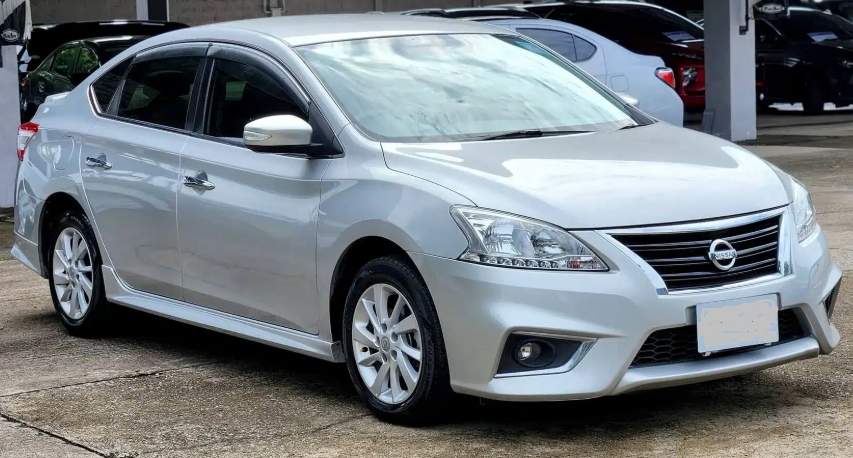
Facelift (2016)
- Updated front grille and headlights
- Improved infotainment and safety features
- Revised engine tuning
Electric Variant (2018)
A notable development was the introduction of an electric Sylphy (Sylphy EV):
- Battery: ~38 kWh
- Power: ~109 hp
- Production start: 2018
This marked Nissan’s early experimentation with electrifying the Sylphy platform.
.

.
Fourth Generation (B18): 2019–Present
The fourth-generation Sylphy was unveiled in 2019, representing the most advanced and globally competitive version to date.
Production Years: 2019–present
Platform and Design
- Built on Nissan’s updated global architecture
- More aggressive styling inspired by the V-Motion design language
- Improved aerodynamics and interior quality
Powertrain Options
- 1.6L naturally aspirated engine
- e-Power hybrid system (in select markets)
Trim Levels
The B18 generation introduced a wide range of trims, especially in China:
Petrol Models
- XE (base)
- XL
- XV
- Super Black Edition (special trim)
e-Power Hybrid Models
- e-Power XE
- e-Power XL
- e-Power XV
2023 Facelift
- Updated front fascia and lighting
- Improved infotainment systems
- Expanded availability of e-Power hybrid technology
Market Performance
The Sylphy became one of the best-selling sedans in China, with annual sales exceeding 500,000 units at peak.
Fifth Generation (B19): 2026–Future
Debut: 2025 (for 2026 model year)
The next-generation Sylphy (B19) was unveiled in September 2025, with sales beginning in 2026.
Expected Features
- Further electrification (hybrid and possibly full EV variants)
- Enhanced connectivity and autonomous driving features
- Updated design language aligned with Nissan’s latest models
Design Evolution
Exterior
- 2000–2005: Rounded “bio-design” styling
- 2005–2012: More conservative and refined
- 2012–2019: Globalized sedan proportions
- 2019–present: Sporty, aggressive V-Motion design
Interior
- Early models: Basic, comfort-focused
- Modern models: Digital displays, advanced infotainment, premium materials
Complete Timeline of the Nissan Sylphy
- 2000: First-generation (G10) launched
- 2003: Facelift
- 2005: Second-generation (G11) introduced
- 2009: Facelift
- 2012: Third-generation (B17) launched
- 2016: Facelift
- 2018: Electric Sylphy introduced
- 2019: Fourth-generation (B18) launched
- 2023: Facelift with e-Power expansion
- 2026: Fifth-generation (B19) begins production
Global Market Presence
The Sylphy is sold under multiple names worldwide:
- Nissan Sentra (North America)
- Nissan Almera (various markets)
- Nissan Sunny (Middle East, Asia)
This multi-name strategy reflects Nissan’s effort to adapt the model to regional preferences.
Strengths and Weaknesses
Strengths
- Proven reliability and durability
- Strong fuel efficiency
- Wide range of trims and configurations
- Global availability
Weaknesses
- Conservative driving dynamics
- Increasing competition from SUVs and EVs
- Overlapping branding with Sentra
Future Outlook
The Nissan Sylphy is expected to remain a core model in Nissan’s global lineup.
1. Electrification
- Expansion of e-Power hybrid technology
- Potential full EV variants
2. Advanced Technology
- Improved driver-assistance systems
- Enhanced connectivity and software
3. Continued Global Role
- Strong presence in China and emerging markets
- Alignment with global Sentra strategy
The Nissan Sylphy has evolved from a Japan-focused compact sedan into a global automotive cornerstone. Over more than two decades, it has transitioned from Mazda-influenced compact architecture (via shared platforms) to a fully modern, electrified sedan competing on a global stage.
Across five generations, the Sylphy has offered a wide range of trims—from basic XE models to premium XV and hybrid variants—while adapting to shifting market demands. Its continued evolution, particularly with electrification and advanced technology, ensures that it will remain a key player in the compact sedan segment for years to come.