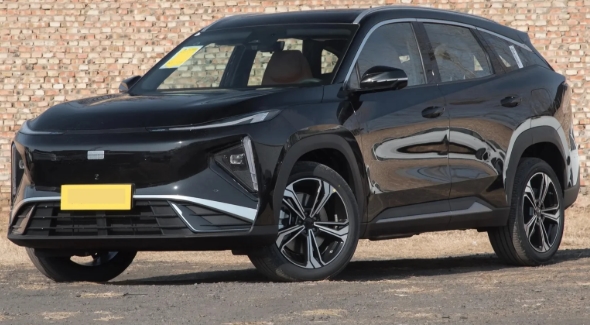
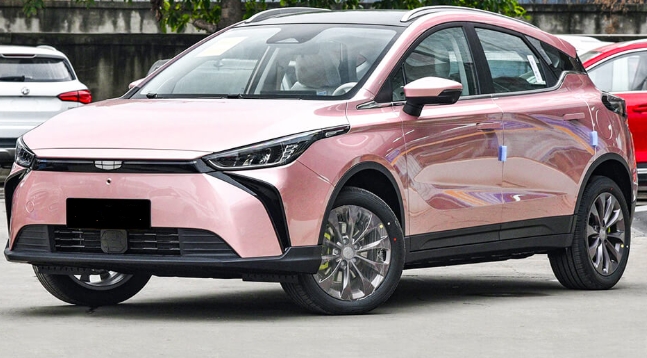
The Evolution of the Geely Galaxy L7: A New Era of Plug-In Hybrid SUVs
The Geely Galaxy L7 represents a major milestone in Geely Auto’s transition toward electrified mobility. As the first model in the Galaxy sub-brand, the L7 established the foundation for a new generation of plug-in hybrid and electric vehicles aimed at combining long range, strong performance, and advanced digital technology. Since its launch in 2023, the Galaxy L7 has undergone steady evolution through expanded trim levels, updated powertrains, and a facelifted successor, all while remaining in its first generation as of 2026.
This article explores the full evolution of the Galaxy L7, including its origins, production timeline, trim levels, technical development, and future outlook.
Origins and Development (2022–2023)
The Galaxy L7 originated as part of Geely’s broader strategy to consolidate its electrified vehicle lineup under the Galaxy sub-brand. Internally codenamed FX12, the L7 was developed on Geely’s Compact Modular Architecture (CMA), a platform shared with other modern Geely vehicles.
The Galaxy sub-brand itself was introduced in early 2023, focusing on:
- Plug-in hybrid electric vehicles (PHEVs)
- Fully electric vehicles (EVs)
- Advanced in-car digital ecosystems
The L7 became the first production model in this lineup, signaling Geely’s commitment to competing with established electrified SUVs in both domestic and global markets.
.

.
Launch and Initial Production (2023)
Production Years
- 2023–present (2026)
The Galaxy L7 officially entered production in April 2023, with deliveries beginning shortly thereafter.
Market Position
- Segment: Compact crossover SUV
- Body style: Five-door SUV
- Seating: Five passengers
At launch, the L7 was positioned as a high-performance plug-in hybrid SUV with a strong emphasis on range and efficiency.
2023 Model Year: Initial Trim Levels and Configurations
During its launch year, the Galaxy L7 was offered in multiple trims, typically structured around battery size and equipment level.
2023 Trim Structure (China market)
- Base (Entry-level)
- Mid-level trims (various names depending on region)
- High-spec / Flagship trims
Although trim naming varied, the lineup generally included five configurations, split between:
- Standard battery versions
- Extended battery versions
Powertrain (2023)
The initial Galaxy L7 featured Geely’s NordThor Hybrid 8848 system, consisting of:
- 1.5-liter turbocharged engine
- Electric motor (FWD) or dual motors (AWD)
- 3-speed hybrid transmission
Key performance figures:
- Power: up to 390 horsepower (FWD)
- Up to 660 horsepower (AWD dual-motor variant)
- 0–60 mph: approximately 6.9 seconds
- Combined range: up to 850–850+ miles (CLTC ~1,370 km)
Battery Options (2023)
- Small battery: ~9–10 kWh (entry trims)
- Larger battery: ~18.7 kWh
Electric-only range varied between approximately 34–72 miles (US equivalent) depending on configuration.
2024 Model Year: Refinement and Market Expansion
The 2024 Galaxy L7 continued production with minimal structural changes but saw refinements in:
- Software systems
- Infotainment responsiveness
- Feature packaging
Sales increased significantly, with over 74,000 units sold in China during 2024, reflecting strong market acceptance.
Key Updates
- Improved driver assistance features
- Expanded availability of high-tech options
- Continued use of NordThor hybrid system
The trim structure remained similar, still centered around battery size and feature levels.
2025 Model Year: New Powertrain and Revised Trim Levels
The 2025 model year marked the most significant update in the Galaxy L7’s evolution.
Introduction of EM-i Hybrid System
Geely introduced a new EM-i hybrid powertrain, designed for improved efficiency.
Key changes:
- More efficient 1.5-liter engine
- Simplified hybrid transmission
- Improved fuel economy
The original NordThor system was retained for top-tier trims, while EM-i became the primary powertrain for most models.
2025 Trim Levels
The 2025 Galaxy L7 introduced a clearly defined four-trim lineup:
- Expedition (Base)
- Explorer (Mid-level)
- Explorer+ (Upper mid-level)
- Starship Edition (Flagship)
Trim Breakdown
Expedition
- Entry-level trim
- Standard battery (18.4 kWh)
- Core infotainment and safety features
Explorer
- Adds comfort and connectivity upgrades
- Improved interior materials
Explorer+
- Enhanced technology package
- Additional driver assistance features
Starship Edition
- Top trim
- Retains higher-performance hybrid system
- Maximum features and performance
Performance (2025)
- Base trims: ~385 horsepower combined
- Starship Edition: quicker acceleration (0–60 mph ~6.9 seconds)
Range and Efficiency
- Electric range: ~71 miles (115 km CLTC)
- Combined range: up to 850 miles (1,370 km)
2026 Model Year: Facelift and Transition to Galaxy M7
In 2026, the Galaxy L7 underwent a significant facelift, resulting in the introduction of the Geely Galaxy M7.
Key Changes
- Updated exterior styling (front and rear)
- Improved interior materials
- Expanded battery options
2026 Battery Options
- 18.4 kWh battery → ~63 miles electric range
- 29.8 kWh battery → ~96 miles electric range
Powertrain
- Continued use of EM-i hybrid system
- Focus on efficiency rather than peak performance
Trim Structure (2026)
While official naming varies, trims generally align with:
- Standard range models
- Extended range models
- High-spec flagship variants
The M7 effectively serves as a mid-cycle refresh rather than a full redesign.
Interior and Technology Evolution
From launch, the Galaxy L7 emphasized advanced digital features.
Core Interior Features
- Multi-screen layout (instrument cluster, central display, passenger screen)
- Qualcomm Snapdragon 8155 chip
- Galaxy N-OS operating system (later upgraded to Flyme Auto in 2025)
Technology Advancements (2023–2026)
- Faster system response times
- Improved voice control
- Enhanced driver assistance systems
These updates reflect a shift toward software-defined vehicles, where improvements occur through updates rather than hardware redesigns.
Dimensions and Design
The Galaxy L7 maintains consistent proportions:
- Length: ~185.0 inches (4700 mm)
- Width: ~75.0 inches (1905 mm)
- Height: ~66.3 inches (1685 mm)
- Wheelbase: 109.6 inches (2785 mm)
The design emphasizes:
- Aerodynamic efficiency
- Minimalist front fascia
- Modern LED lighting
Market Position and Competitors
The Galaxy L7 competes in the compact hybrid SUV segment, facing rivals such as:
- BYD Song Plus DM-i
- Honda CR-V Hybrid
- Toyota RAV4 Prime
Key Advantages
- High combined power output
- Long driving range
- Competitive pricing
- Advanced infotainment systems
Its combination of performance and efficiency has made it a strong contender in China’s rapidly growing electrified vehicle market.
Sales Performance
The Galaxy L7 has achieved notable sales figures:
- 2023: 66,247 units
- 2024: 74,274 units
- 2025: 36,334 units
The initial growth reflects strong demand, while later fluctuations may be tied to broader market shifts and the introduction of newer models.
Role in the Galaxy Lineup
The Galaxy L7 serves as:
- The first and foundational model of the Galaxy sub-brand
- A benchmark for Geely’s hybrid technology
- A bridge between traditional gasoline SUVs and fully electric vehicles
It is complemented by:
- Galaxy L6 (sedan)
- Galaxy E-series (fully electric models)
Future Outlook
As of 2026, the Galaxy L7 (and its facelifted M7 variant) remains in its first generation, but several developments are likely:
1. Continued Electrification
Future updates may include:
- Larger battery packs
- Increased electric-only range
- Improved charging speeds
2. Advanced Driver Assistance
- Expansion of semi-autonomous driving features
- Integration of more sensors and AI systems
3. Global Expansion
Geely may introduce the Galaxy L7/M7 to:
- European markets
- Southeast Asia
- Other emerging EV regions
4. Second Generation
A full redesign could introduce:
- New platform architecture
- Fully electric variants
- Enhanced connectivity and software ecosystems
The Geely Galaxy L7 represents a pivotal step in the evolution of modern hybrid SUVs. Introduced in 2023 as the first model in the Galaxy lineup, it has evolved through:
- Expanded trim levels and configurations
- A transition from NordThor to EM-i hybrid systems
- A 2026 facelift as the Galaxy M7
Across its production run, the Galaxy L7 has consistently offered:
- Strong performance (up to 660 horsepower in early AWD variants)
- Long driving range (up to 850 miles combined)
- Advanced technology and connectivity
Rather than undergoing rapid generational redesigns, the L7 has followed a gradual, software-driven evolution, reflecting broader trends in the automotive industry.
As electrification continues to reshape global markets, the Galaxy L7 stands as a clear example of how automakers are blending hybrid efficiency, digital innovation, and practical design to meet the demands of modern drivers.