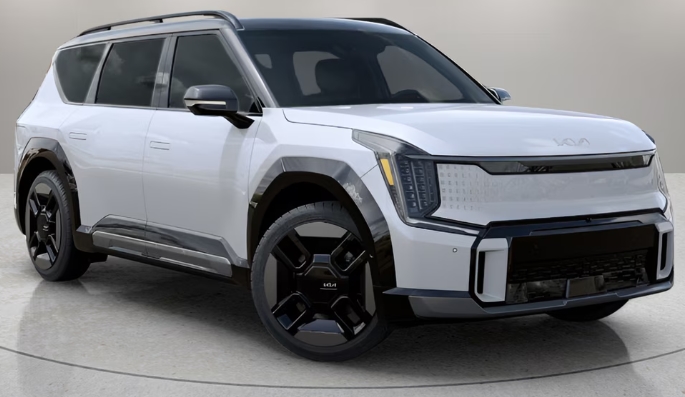
The Evolution of the Esemka Garuda 1: Indonesia’s Ambitious Homegrown SUV
The Esemka Garuda 1 is a mid-size sport utility vehicle developed under the Indonesian automotive brand Esemka, a company that has become symbolic of Indonesia’s long-standing ambition to build a domestically designed and manufactured passenger car. Positioned as a flagship model for the brand, the Garuda 1 represents one of the most high-profile attempts to establish a fully Indonesian automotive product in the modern era.
First publicly introduced in 2019, the Esemka Garuda 1 marked a major milestone for Esemka, which had previously focused on light commercial vehicles such as pickup trucks. Although production volumes and commercial availability have remained limited and somewhat opaque, the Garuda 1 is widely recognized as the company’s most advanced passenger vehicle project to date.
Historical Background of Esemka
The Esemka brand originated in Indonesia in the late 2000s as part of a vocational school initiative aimed at developing local automotive engineering skills. Early vehicles were assembled by students and instructors in partnership with small suppliers, and the brand gained national attention as a symbol of industrial self-reliance.
By the 2010s, Esemka evolved from a school-based project into a more formal automotive manufacturer under PT Solo Manufaktur Kreasi. The company’s early production focused on affordable pickup trucks and utility vehicles intended for rural and commercial use.
The introduction of the Garuda 1 represented a major strategic shift toward the passenger SUV market, signaling an ambition to compete in a far more competitive and technologically demanding segment.
.
MANY auto lovers not only spend time in their garages to tinker on their autos, but have other projects going on in there as well. Wood working is a popular pastime for the creative type of individual. Not sure what to make next? Or thinking about getting into this kind of hobby? There’s lots of possibilities… Here’s some of them…

.
Introduction and Development of the Garuda 1
The Esemka Garuda 1 was first showcased to the public in September 2019, during a high-profile launch event in Indonesia. It was presented as a locally developed SUV designed to demonstrate Indonesia’s capability to produce a modern passenger vehicle.
The model was positioned above Esemka’s earlier commercial pickups and was intended to serve as a flagship SUV for domestic consumers. The design and engineering were reportedly supported by a combination of local development efforts and foreign technical collaboration, a common approach among emerging automotive manufacturers.
While the Garuda 1 attracted significant political and media attention, its commercial rollout has been limited compared to mainstream global automotive brands.
Production Timeline
The production and development timeline of the Esemka Garuda 1 has been relatively unclear due to limited publicly available manufacturing data. However, based on reported industry information, its lifecycle can be summarized as follows:
Production Timeline
| Year | Development |
|---|---|
| 2019 | Official debut and public launch |
| 2020 | Limited production and pilot deliveries |
| 2021 | Continued small-scale assembly |
| 2022–2026 | Ongoing limited availability or low-volume production |
Unlike mass-market vehicles, the Garuda 1 has not been produced in large, globally tracked volumes, and its availability appears to be primarily domestic and limited in scope.
Design and Dimensions
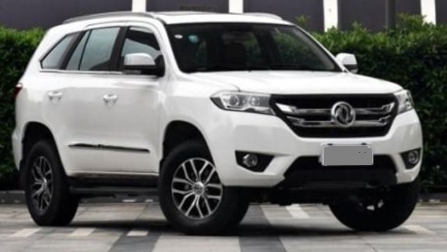
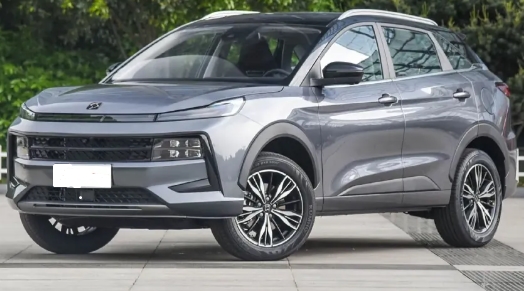
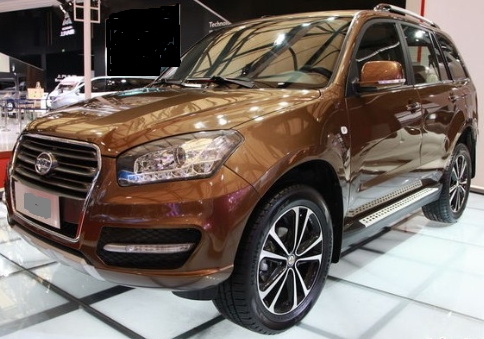
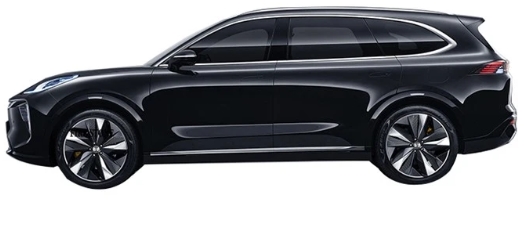
The Esemka Garuda 1 is classified as a mid-size SUV with a traditional body-on-frame or reinforced SUV-style structure depending on interpretation of available specifications. Its styling reflects a conventional SUV design philosophy, emphasizing a large front grille, upright stance, and spacious interior proportions.
Approximate dimensions include:
- Length: about 183 inches (4,650 mm)
- Width: about 73 inches (1,860 mm)
- Height: about 70 inches (1,780 mm)
- Wheelbase: about 109 inches (2,780 mm)
These dimensions place the Garuda 1 within the mid-size SUV category, comparable in size to many global family-oriented SUVs.
The exterior design features a prominent grille, angular headlights, and a relatively boxy silhouette intended to maximize interior space. The styling is functional rather than highly distinctive, reflecting its focus on practicality and cost efficiency.
Powertrain and Mechanical Layout
The Esemka Garuda 1 is powered by a gasoline engine sourced through external suppliers, consistent with many emerging automotive manufacturers that rely on established engine technology.
Engine Specification
Most reports indicate the following configuration:
- 2.0-liter four-cylinder gasoline engine
- Output: approximately 145 horsepower to 150 horsepower
- Torque: around 140 lb-ft to 150 lb-ft
Transmission options have included:
- Five-speed manual transmission
- Automatic transmission (reported in select configurations)
The vehicle is typically offered in front-engine, rear-wheel-drive or front-wheel-drive configurations depending on market and specification level, though exact drivetrain availability has not been consistently documented across all versions.
Performance is oriented toward everyday driving rather than high-performance use, consistent with its positioning as a practical family SUV.
Trim Levels and Model Variants
Publicly available information suggests that the Esemka Garuda 1 has been offered in a limited range of trims rather than a highly complex model hierarchy. The structure can generally be grouped into three main categories.
Standard Trim
The base version of the Garuda 1 includes:
- Fabric upholstery interior
- Basic infotainment system
- Manual air conditioning
- Standard steel or alloy wheels
- Power windows and mirrors
- Essential safety equipment such as airbags and ABS
This trim is intended for general-purpose use and represents the entry point for the model lineup.
Mid-Level Comfort Trim
The mid-tier configuration adds convenience and comfort features, including:
- Upgraded interior materials
- Larger infotainment display
- Rearview camera system
- Improved seating surfaces
- Automatic climate control
- Enhanced audio system
This version is designed for family buyers seeking additional comfort and usability.
Premium Trim
The highest available configuration focuses on luxury and technology upgrades:
- Leather-appointed seating surfaces
- Larger touchscreen infotainment interface
- Advanced multimedia features
- Keyless entry and push-button start
- Alloy wheels with upgraded design
- Additional interior trim enhancements
This version positions the Garuda 1 closer to entry-level international SUVs in terms of features, though still at a more affordable price point.
Interior and Technology
The interior of the Garuda 1 emphasizes space and practicality. The cabin layout is traditional, with a center console-mounted infotainment system and analog-digital instrument combination depending on trim level.
Key interior features include:
- Seating for five passengers
- Large cabin space for rear occupants
- Basic to mid-level infotainment systems
- Bluetooth and smartphone connectivity (higher trims)
- Functional dashboard layout with physical controls
While not highly advanced by global luxury standards, the interior reflects a step forward for Indonesia’s domestic automotive development efforts.
Market Position and Reception
The Esemka Garuda 1 occupies a unique position in Indonesia’s automotive landscape. Rather than competing directly with global volume manufacturers, it represents a national effort to establish a domestic passenger vehicle industry.
Public reception has been mixed:
Strengths often highlighted include:
- Symbolic importance as a domestic Indonesian SUV
- Competitive size and practicality
- Affordable positioning relative to imported SUVs
- Strong national branding appeal
Criticism has focused on:
- Limited production scale
- Unclear long-term availability
- Dependence on external engineering and components
- Lack of global market presence
Despite these challenges, the Garuda 1 remains a significant cultural and industrial milestone.
Production Challenges
The Garuda 1 has faced several structural challenges that have limited its growth:
- Limited manufacturing capacity
- Reliance on external suppliers for key components
- Strong competition from established Japanese and Korean brands in Indonesia
- Uncertainty surrounding long-term corporate strategy
These factors have contributed to its relatively low visibility in global automotive markets.
Legacy and Industry Significance
The Esemka Garuda 1 is more important as a national industrial symbol than as a high-volume commercial success. It represents Indonesia’s ambition to develop a domestic automotive industry capable of producing passenger SUVs.
Its legacy includes:
- Demonstrating Indonesia’s capability in vehicle assembly and design
- Supporting national interest in automotive independence
- Inspiring discussions about local manufacturing policy
- Highlighting challenges faced by emerging automotive brands
Even with limited production, the Garuda 1 remains one of the most recognized Esemka models.
Future Outlook
As of 2026, the future of the Esemka Garuda 1 remains uncertain. There have been no widely confirmed announcements regarding a second generation or major redesign. However, Indonesia’s growing interest in electric vehicles and domestic manufacturing may influence future developments for the brand.
Potential future directions include:
- Electrification of the Esemka SUV lineup
- Expanded collaboration with international automotive partners
- Increased production scale if industrial policy support continues
- Development of updated successor models
However, these outcomes depend heavily on long-term investment and policy direction.
The Esemka Garuda 1 is a mid-size SUV that represents Indonesia’s attempt to establish a domestic passenger vehicle industry. Introduced in 2019, it combines practical SUV design, modest performance, and a range of trim levels aimed at different consumer needs.
While its production volume and global impact remain limited, its symbolic importance is significant. The Garuda 1 stands as a milestone in Indonesia’s automotive history, reflecting both the ambitions and challenges of building a national car brand in a highly competitive global industry.