Bestune NAT: The Evolution of China’s Purpose-Built Electric Taxi MPV
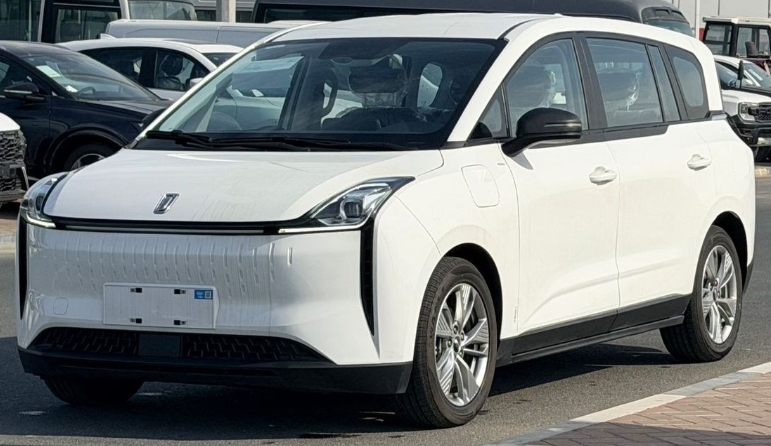
The Bestune NAT represents a unique chapter in the evolution of electric vehicles (EVs), particularly in the niche of purpose-built mobility solutions. Developed by FAW Group under its Bestune brand, the NAT (short for “Next Automatic Taxi”) was engineered specifically for ride-hailing and fleet applications rather than private consumers. Introduced in the early 2020s, the vehicle reflects China’s rapid push toward electrification, urban mobility innovation, and platform-based vehicle design.
From its origins as the Bestune E05 concept to its expansion into multiple fleet-focused variants, the NAT has undergone several iterations between 2021 and 2025. This article explores its development, production timeline, trim levels, and future outlook.
Origins and Development (Pre-2021)
The Bestune NAT began development under the codename E05, first publicly revealed at the 2021 Haikou International New Energy Vehicle Show. The project was conceived during a period of rapid growth in ride-hailing platforms such as DiDi and T3 Mobility, which demanded purpose-built vehicles optimized for passenger comfort, safety, and operational efficiency.
Unlike conventional MPVs adapted for taxi use, the NAT was designed from the ground up as a fleet vehicle. It rides on FAW’s dedicated FME electric platform, shared with other Bestune EVs, allowing for a flat floor, spacious rear seating, and modular battery configurations.
A defining feature was its asymmetric door layout—a sliding door on the passenger side for safer curbside entry, paired with a conventional door on the driver’s side. This design mirrors similar purpose-built EV taxis like the BYD D1 and reflects a safety-first approach to urban mobility.
.
We LOVE cars & cruising around, but sometimes day trips to explore new cities are required (with family or friends) for a spice of variety in your life!
So GO explore!
Cruises & Day/Night City Tours to: Baltimore, Boston, Chicago, Marina Del Ray, New York, Niagara, Philadelphia, San Diego, San Francisco, Toronto, Washington DC, etc.:

.
Launch and First Model Year (2021)
Production Start: 2021
The Bestune NAT officially entered production in May–June 2021, marking its first model year.
2021 Trim Levels
The initial lineup included several trims tailored to fleet operators:
- Net Edition
- Market Expansion Edition
- Luxury Experience Edition
- Luxury Experience Edition (upgraded variant)
These trims differed primarily in equipment levels, battery configurations, and fleet-specific features rather than consumer-oriented luxury distinctions.
Technical Specifications (2021)
- Power: ~100 kW (134 hp)
- Battery: 53–55 kWh
- Range: ~401–419 km (CLTC)
- Layout: Front-wheel drive, single motor
Market Positioning
The 2021 NAT was not widely sold to private buyers. Instead, it was deployed through large fleet operators such as DiDi and T3 Mobility, reinforcing its identity as a “mobility tool” rather than a personal vehicle.
Expansion and Diversification (2022)
Production Year: 2022
In 2022, Bestune significantly expanded the NAT lineup, introducing a wide array of trims and configurations tailored to different fleet scenarios.
2022 Trim Levels
The 2022 model year saw an explosion of variants, including:
- Loyalty Travel Edition (100 kW / 120 kW)
- Smart Travel Edition
- Enjoy Travel Edition
- Traveler’s Edition / Traveler Rental
- Comfort Mobility Switch Edition
- Smart Mobility Switch Edition
- Battery Swap Editions (multiple configurations)
- Love Transfer Edition
- Lexus Mobility Switch Edition
- Departure Versions (Etsuyo, Ekko, etc.)
Key Innovations
- Battery-Swapping Capability
Several trims introduced battery-swapping technology, allowing fleets to minimize downtime—critical for taxi operations. - Dual Power Configurations
Power outputs expanded to 100 kW and 120 kW, improving performance and flexibility. - Operational Specialization
Different trims were optimized for:- Long-distance ride-hailing
- Short urban trips
- Rental fleets
- Subscription-based mobility
Range and Performance
- Range: 401–425 km (CLTC)
- Charging: ~30–80% in 30 minutes
- Continued use of front-wheel-drive layout
Sales Growth
The expanded lineup contributed to strong sales growth:
- 2021: ~9,100 units
- 2022: ~19,000 units
Maturation and Market Growth (2023–2024)
Production Years: 2023–2024
During this phase, the Bestune NAT transitioned from rapid expansion to refinement and consolidation.
Trim Simplification
While earlier years featured dozens of variants, the lineup gradually streamlined. Fleet operators began favoring standardized configurations to reduce complexity.
Export and Rebranding
- The NAT began appearing in international markets under alternative names such as SEV E-NAT.
- Limited exports reached regions like Russia and Southeast Asia.
2024 Trim Example
One of the prominent trims in 2024:
- NAT PRO Premium (425 km range)
Updated Specifications (2024)
- Power: 120 kW (≈161 hp)
- Battery: ~54 kWh (LFP)
- Range: ~425 km (CLTC)
- Improved efficiency: ~12.8 kWh/100 km
Sales Performance
- 2023: 15,328 units
- 2024: 20,389 units
These figures indicate steady demand, particularly from institutional buyers.
Final Production Phase and Transition (2025–Present)
Production Status
- Bestune NAT (core model): 2021–2025
- Successor/variant (SEV E-NAT): 2023–present
By 2025, production of the original NAT began winding down, with sales dropping to approximately 6,550 units.
Reasons for Transition
- Platform Evolution
Newer EV platforms offered better efficiency and modularity. - Market Competition
Increased competition from purpose-built EV taxis (e.g., BYD D1) pressured Bestune to update its offering. - Fleet Modernization Cycles
Ride-hailing companies began upgrading to newer-generation vehicles.
Design Philosophy and Key Features
Purpose-Built Architecture
The NAT’s defining characteristic is its single-purpose design:
- Flat floor for passenger comfort
- Extended rear legroom (~1000 mm)
- Optimized ingress/egress via sliding door
Interior and Usability
- Minimalist dashboard focused on durability
- Rear-seat comfort prioritized over driver luxury
- Large cargo capacity (454–740 L)
Safety and Efficiency
- Reduced risk of dooring accidents
- Efficient urban driving profile
- Optional battery swapping for high-utilization fleets
Role in the Bestune Lineup
Within the broader Bestune portfolio, the NAT stands apart:
- Unlike consumer vehicles such as SUVs and sedans, it is fleet-exclusive
- It complements EVs like the Bestune E01 by targeting commercial mobility
This specialization highlights FAW’s dual strategy:
- Consumer EV development
- Dedicated mobility solutions for transportation networks
Global Expansion and Challenges
International Markets
- Limited exports to Russia and Vietnam
- Small-scale presence in Europe and pilot programs elsewhere
Challenges
- Limited appeal to private buyers
- Dependence on fleet contracts
- Infrastructure requirements (especially for battery swapping)
Future Outlook
The Bestune NAT’s legacy lies in its role as a transitional vehicle in the evolution of electric mobility:
1. Influence on Purpose-Built EVs
The NAT helped validate the concept of designing vehicles specifically for ride-hailing rather than adapting consumer cars.
2. Platform Evolution
Future models are expected to:
- Use more advanced EV architectures
- Incorporate autonomous driving features
- Improve battery efficiency and charging speed
3. Continued Fleet Focus
Successor models like the SEV E-NAT suggest Bestune will continue targeting:
- Ride-hailing platforms
- Urban mobility fleets
- Smart transportation systems
From its debut in 2021 to its gradual phase-out by 2025, the Bestune NAT represents a focused and innovative approach to electric mobility. Rather than competing in the crowded consumer EV market, it carved out a niche as a purpose-built electric taxi, optimized for efficiency, safety, and passenger comfort.
Its evolution—from the early E05 prototype to a diverse lineup of specialized trims—demonstrates how automakers can adapt to the needs of modern transportation ecosystems. While the original NAT may be nearing the end of its lifecycle, its influence is likely to persist in the next generation of urban mobility vehicles.
In many ways, the Bestune NAT is less a conventional car and more a blueprint for the future of shared transportation.