Electrifying Space: The Evolution of the Mercedes-Benz EQV and EQT
In the grand automotive shift towards electrification, few segments presented as unique a challenge as the multi-purpose vehicle (MPV), or van. Traditionally defined by practicality, space, and utilitarian function, these vehicles were long the domain of efficient diesel engines. Mercedes-Benz, a pioneer in luxury and innovation, took a deliberate and bifurcated approach to electrifying this space, creating two distinct but related product lines: the luxurious, large-format EQV and the compact, family-focused EQT. This is the story of their evolution, from concept to a tangible reality on our roads.
The Genesis: The Mercedes-Benz EQV – Electrifying Luxury Transport
The journey of the electric Mercedes van begins not with a new platform, but with the evolution of a highly successful existing one: the V-Class (W447), launched in 2014. The V-Class had already redefined the premium MPV segment, proving that a vehicle capable of carrying up to eight people could also offer the comfort, technology, and refinement of a Mercedes-Benz sedan. It was the logical foundation for the brand’s first fully electric premium MPV.
The Concept (2019): A Clear Statement of Intent
At the 2019 Geneva Motor Show, Mercedes-Benz unveiled the Concept EQV. It was more than a mere design study; it was a near-production preview of the brand’s vision. The Concept EQV retained the familiar, handsome silhouette of the V-Class but integrated key design cues from the burgeoning “EQ” electric sub-brand. This included a closed-off black panel grille with chrome fins and a continuous LED light band, a feature that would become a signature of the EQ family. The interior showcased a futuristic yet functional cockpit, centered around the then-new MBUX (Mercedes-Benz User Experience) infotainment system, emphasizing connectivity and voice control.
Under the skin, the concept promised a 100 kWh battery pack, a range of up to 400 kilometers (249 miles), and a powerful 150 kW (204 hp) electric motor. The message was clear: electrification would not compromise on space, luxury, or usability.
The Production Model (2020-2023): The EQV 300
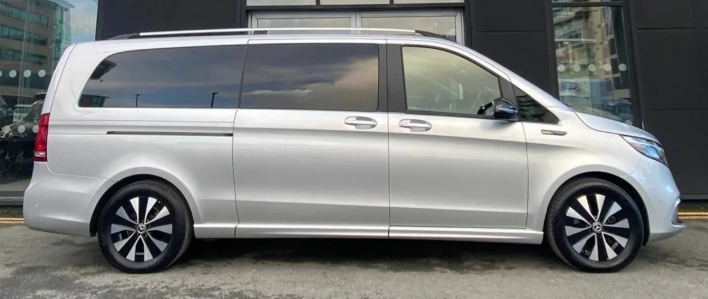
Making its official debut later in 2019 and hitting showrooms in 2020, the production Mercedes-Benz EQV stayed remarkably true to the concept. The first and, for several years, only model available was the EQV 300.
- Powertrain and Battery: The EQV 300 was powered by a 150 kW (204 hp) electric motor driving the front wheels, delivering a healthy 362 Nm of torque for brisk, silent acceleration. The heart of the vehicle was its lithium-ion battery. While the concept boasted a 100 kWh unit, the production model was fitted with a 100 kWh gross capacity battery with a 90 kWh usable capacity. This was a substantial pack for the time, enabling a WLTP-certified range of up to 357 kilometers (222 miles).
- Charging: It supported AC charging up to 11 kW (taking roughly 10 hours for a full charge) and DC fast charging up to 110 kW, which could replenish the battery from 10% to 80% in approximately 45 minutes.
- Body Styles and Trims: The EQV 300 was offered in two wheelbase lengths to maximize its appeal:
- Long: 5,140 mm in length, offering a balance of passenger space and maneuverability.
- Extra-Long: 5,370 mm in length, prioritizing maximum luggage and passenger room, making it a favorite for VIP shuttle services and large families.
The trim structure was designed to mirror the premium positioning of the V-Class. The primary trim level offered globally was the Avantgarde, which came generously equipped with 17-inch alloy wheels, full LED lighting, leather upholstery, the MBUX system with a 10.25-inch screen, and advanced driver-assistance systems. Optional packages, such as the Avantgarde Plus Package or various Design Packages, allowed for further customization with features like Burmester surround sound systems, 360-degree cameras, and enhanced interior ambient lighting.
The EQV 300 carved a unique niche. It was, and remains, one of the only true premium electric MPVs on the market, appealing to eco-conscious luxury hotels, chauffeur services, and affluent families who needed space without sacrificing badge prestige or comfort.
.
THIS could come in handy for your auto garage (and everywhere else!):

.
The Mid-Cycle Refresh (2024 Onwards): A New Face and a New Model
In 2023, Mercedes-Benz announced a significant facelift for the entire V-Class family, including the EQV, for the 2024 model year. This marked the next major step in its evolution.
- Exterior and Interior Redesign: The refreshed EQV adopted a much bolder front fascia, featuring a larger, more prominent black panel grille flanked by sophisticated new Multibeam LED headlights. The interior received a transformative upgrade, replacing the older dashboard with the widescreen cockpit design seen in modern Mercedes cars, featuring two seamless 12.3-inch displays for the instrument cluster and infotainment. This brought the EQV’s cabin technology fully in line with the rest of the EQ range.
- Introduction of the EQV 250: Recognizing a need for a more accessible entry point, Mercedes introduced a new variant: the EQV 250. This model features a smaller 60 kWh usable capacity battery, offering a reduced WLTP range of up to 236 kilometers (147 miles). It retains the same 150 kW motor as the EQV 300 but is positioned as a more cost-effective option for users whose driving patterns are predominantly urban or regional, such as school runs or local shuttle services.
With this update, the EQV lineup became more versatile, offering a choice in range and price point while significantly enhancing its technological and aesthetic appeal.
The Compact Revolution: The Mercedes-Benz EQT
While the EQV catered to the high-end, large-van market, Mercedes-Benz saw an opportunity in the rapidly growing segment of compact, leisure-oriented vans. This segment, traditionally known for models like the Citroën Berlingo and Volkswagen Caddy, was primed for a premium, electric-first entry. The foundation for this was the T-Class, a more passenger-focused and upscale version of the Citan commercial van, developed in partnership with the Renault-Nissan-Mitsubishi Alliance and sharing its platform with the Renault Kangoo.
The Concept (2021): Emotionality in a Practical Package
In May 2021, the Concept EQT was unveiled. Designed under the philosophy of “Sensual Purity,” it was a stark departure from the boxy, utilitarian aesthetic of its competitors. The concept featured the signature EQ black panel grille, slim LED headlights, and a dramatic, full-width rear light bar. Its flowing lines, 21-inch alloy wheels, and luxurious interior—complete with white Nappa leather and an integrated electric longboard in the luggage compartment—were designed to evoke an emotional response and position the EQT as a lifestyle vehicle, not just a practical box.
The Production Model (2023 Onwards): The EQT 200
The production Mercedes-Benz EQT, revealed in late 2022 for a 2023 market launch, toned down the most extravagant elements of the concept but retained its core premium identity.
- Powertrain and Battery: The launch model is the EQT 200. It is equipped with a 45 kWh usable capacity battery, paired with a 90 kW (122 hp) electric motor driving the front wheels. This configuration is optimized for urban and suburban life, providing a WLTP range of up to 282 kilometers (175 miles).
- Charging: The EQT supports standard 22 kW AC charging, a competitive advantage that can fully charge the battery in around 2.5 hours. For longer journeys, it supports DC fast charging at up to 80 kW, allowing a 10-80% charge in a practical 38 minutes.
- Design and Practicality: The EQT features dual sliding rear doors for easy access and a low loading sill. Despite its compact footprint (4,498 mm length), its clever packaging provides ample space for five passengers and their luggage. It successfully translates the premium Mercedes feel into a smaller form factor with high-quality materials, the MBUX infotainment system (with a 7-inch screen as standard), and distinctive interior trim options.
- Trim Levels: The EQT was launched with a clear, three-tiered trim structure:
- Standard: The entry-level model offers the core EQT experience with MBUX, air conditioning, and a comprehensive suite of safety features, but with more basic appointments like black plastic bumpers and steel wheels with covers.
- Style: This trim adds significant aesthetic upgrades, including body-colored bumpers, 16-inch alloy wheels, high-gloss black interior and exterior trim elements, and enhanced interior lighting.
- Progressive: The top-tier trim builds on the Style line, adding premium features like unique 17-inch alloy wheels, Artico man-made leather/Microcut microfiber upholstery for the seats, and further decorative elements inside and out, embodying the highest level of luxury in the compact van segment.
The Future: Expansion and Versatility
The evolution of the EQT is already mapped out. Mercedes-Benz has confirmed a long-wheelbase version is on the way, which will offer the option of a third row of seats, making it a true seven-seater compact MPV. Furthermore, the brand has showcased a fully electric micro-camper concept, the EQT Marco Polo, demonstrating the platform’s potential for the adventurous leisure market.
Conclusion: A Two-Pronged Strategy for an Electric Future
The parallel evolutions of the Mercedes-Benz EQV and EQT showcase a masterful and strategic approach to electrifying the van segment. They are not simply electric versions of existing models; they are distinct products tailored for different customers.
The EQV was the pioneer, establishing that zero-emissions travel could coexist with uncompromising luxury and space. Its journey from the initial EQV 300 to the recently facelifted lineup, now including the EQV 250, shows a refinement of this philosophy, making premium electric transport accessible to a wider range of high-end users.
The EQT, on the other hand, represents a democratization of premium electric mobility. It takes the essence of the Mercedes-Benz brand—design, safety, and technology—and packages it into a compact, practical, and family-friendly vehicle. It proves that an everyday MPV can be both desirable and sustainable.
Together, the EQV and EQT flank the market, covering everything from the executive airport shuttle to the active family’s weekend adventure. Their ongoing evolution is a clear signal that for Mercedes-Benz, the future of the van is not just practical; it is silent, sophisticated, and unequivocally electric.