The Evolution of the Aeolus AX7: From Fengshen Roots to Modern Chinese SUV Contender
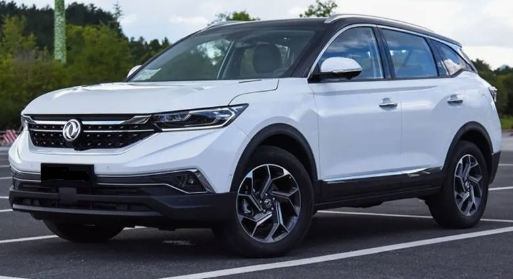
The Aeolus AX7 is a compact crossover SUV produced by Dongfeng Motor Corporation under its Aeolus (formerly Fengshen) passenger vehicle brand. Since its debut in 2014, the AX7 has evolved through multiple generations, facelifts, and branding transitions, reflecting both the rapid growth of China’s domestic automotive industry and Dongfeng’s ambitions in the global SUV market.
This article explores the full history of the Aeolus AX7, including production years, model changes, trim evolution, and its future outlook.
Origins and Brand Background
Dongfeng Motor Corporation, founded in 1969, initially focused on commercial and military vehicles before expanding into passenger cars in the late 20th century. By the 2010s, Dongfeng began developing its own independent brands, including Aeolus (Dongfeng Fengshen), aimed at competing with both domestic and international automakers.
The AX7 emerged as a key product in this strategy, targeting the fast-growing compact SUV segment—a category known for combining practicality, affordability, and modern styling.
.

.
First Generation (2014–2019)
Launch and Production
The first-generation AX7 debuted at the 2014 Beijing Auto Show and officially entered the Chinese market in October 2014. Production ran from 2014 through 2019, establishing the model as a core offering in Dongfeng’s lineup.
Originally branded as the Dongfeng Fengshen AX7, this generation featured a conventional compact SUV design with a focus on affordability and practicality.
Powertrain and Mechanical Features
The first-generation AX7 offered two gasoline engines:
- 2.0-liter inline-four engine
- 2.3-liter inline-four engine
Transmission options included:
- 5-speed manual
- Continuously variable transmission (CVT)
- 6-speed automatic
The vehicle utilized a front-engine, front-wheel-drive layout, with some markets offering all-wheel-drive variants.
Trim Levels and Variants
While specific trim names varied by market, the first-generation AX7 was generally offered in multiple trims based on:
- Engine choice (2.0L vs. 2.3L)
- Transmission type
- Equipment packages (basic, mid-range, and premium trims)
Typical trim progression included:
- Base (entry-level) – manual transmission, minimal features
- Comfort/Mid-level – added infotainment and convenience features
- Luxury/High-end – automatic transmission, upgraded interior, and safety features
These trims reflected a common structure among Chinese domestic vehicles during the mid-2010s.
2018 Facelift
In 2018, the AX7 received a mid-cycle facelift unveiled at the Beijing Auto Show. Updates included:
- Revised front and rear styling
- Updated lighting elements
- Minor interior refinements
This facelift extended the lifecycle of the first generation until the introduction of its successor.
Related Models
A closely related model, the Dongfeng Fengdu MX5, shared the same platform but featured distinct styling and slightly different engine options, demonstrating Dongfeng’s platform-sharing strategy.
Second Generation (2018–Present)
Introduction and Production
The second-generation AX7 was revealed in August 2018 and launched in September 2018. Production began in 2018 and continues to the present day, making it the current generation of the model.
This generation marked a significant redesign, with improved styling, updated technology, and a more modern driving experience.
Powertrain
The second-generation AX7 introduced a more efficient engine lineup:
- 1.6-liter turbocharged inline-four engine
- Paired with a 6-speed automatic transmission (Aisin)
Later updates introduced additional engines, including:
- 1.5-liter turbocharged engine (Mach powertrain) in newer variants
Trim Levels
As with the first generation, trim levels varied by market but generally included:
- Base/Standard
- Elite/Mid-range
- Premium/Flagship
Higher trims added:
- Advanced infotainment systems
- Digital displays
- Driver assistance features
Facelift and Sub-Models (2020–Present)
The second generation has undergone several major updates, each effectively marketed as a new variant.
Aeolus AX7 Pro (2021 Model Year)
Introduced in 2020 for the 2021 model year, the AX7 Pro marked a major facelift and branding shift.
Key Changes:
- Transition from “Dongfeng Fengshen” branding to Aeolus branding
- Redesigned front and rear styling
- Updated interior with a two-tone theme
- Upgraded WindLink 5.0 infotainment system with larger touchscreen
Trim Structure:
- Standard
- Pro Elite
- Pro Premium
These trims emphasized technology upgrades and improved cabin quality.
Aeolus AX7 Plus / Mach Edition (2022–Present)
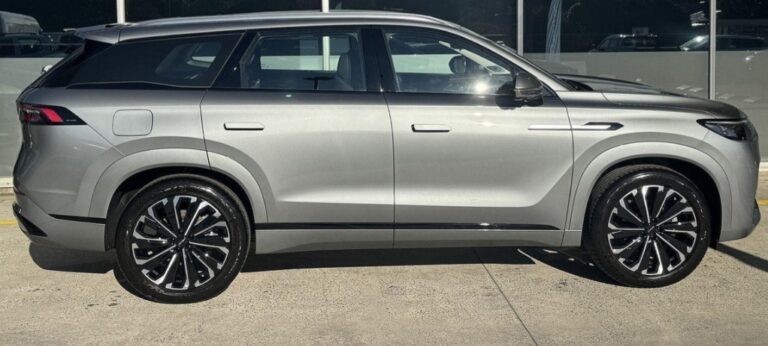
Launched in late 2021 for the 2022 model year, the AX7 Plus (also known as Mach Edition) represents the most current iteration of the AX7.
Key Features:
- Further refined exterior design
- Slightly increased vehicle length
- Introduction of Mach-branded turbo engines
- Enhanced performance and efficiency
Powertrain:
- 1.5-liter turbocharged engine (Mach series)
- Dual-clutch transmission (DCT) in some variants
Trim Levels:
- Plus Base
- Plus Pro
- Plus Mach Edition (performance-oriented trim)
These trims emphasize sportier styling, improved performance, and advanced connectivity.
Design and Technology Evolution
Across its production life, the AX7 has seen significant improvements in design and technology:
Exterior Design
- 2014–2018: Conservative, functional styling
- 2018–2020: Sharper, more modern lines
- 2021–Present: Aggressive front fascia and contemporary SUV aesthetics
Interior and Infotainment
- Early models: Basic infotainment and analog controls
- Later models:
- Large touchscreens
- Digital instrument clusters
- Connected car systems (WindLink)
Safety and Driver Assistance
- Early trims: Basic safety features (ABS, airbags)
- Newer trims:
- Adaptive cruise control
- Lane-keeping assist
- 360-degree cameras
Market Position and Competition
The AX7 competes in the compact SUV segment, rivaling models such as:
- Domestic Chinese SUVs (e.g., Haval, Geely models)
- Entry-level global SUVs in emerging markets
Its key strengths include:
- Competitive pricing
- Spacious interior
- Increasingly modern technology
Global Expansion
While initially focused on the Chinese market, the AX7 has expanded into international markets, including:
- Middle East
- South America
- Parts of Eastern Europe
This expansion aligns with Dongfeng’s broader globalization strategy.
Future Outlook
The future of the Aeolus AX7 will likely be shaped by several industry trends:
Electrification
Dongfeng is investing heavily in electric and hybrid vehicles. Future AX7 iterations may include:
- Hybrid variants
- Fully electric versions
Smart Technology
Expect continued development in:
- Autonomous driving features
- AI-based infotainment systems
- Over-the-air software updates
Brand Positioning
As Aeolus evolves, the AX7 may serve as a bridge between:
- Affordable mass-market vehicles
- More premium offerings within Dongfeng’s lineup
Since its introduction in 2014, the Aeolus AX7 has undergone a steady and meaningful evolution. From its origins as the Dongfeng Fengshen AX7 to its current form as the AX7 Plus/Mach Edition, the model has adapted to changing consumer expectations and technological advancements.
Summary of Production and Models:
- First Generation (2014–2019)
- Initial launch, 2.0L and 2.3L engines
- 2018 facelift
- Multiple trim levels (Base to Premium)
- Second Generation (2018–Present)
- New platform and turbo engines
- Improved technology and design
- AX7 Pro (2021 Model Year)
- Major facelift and rebranding
- AX7 Plus / Mach Edition (2022–Present)
- Latest version with updated styling and powertrains
The AX7 remains a strong example of how Chinese automakers have rapidly improved their products in quality, design, and technology. As Dongfeng continues to innovate and expand globally, the AX7 is poised to remain an important player in the competitive compact SUV segment for years to come.