The Evolution of the Livan Maple 60S: China’s Battery-Swapping Electric Sedan
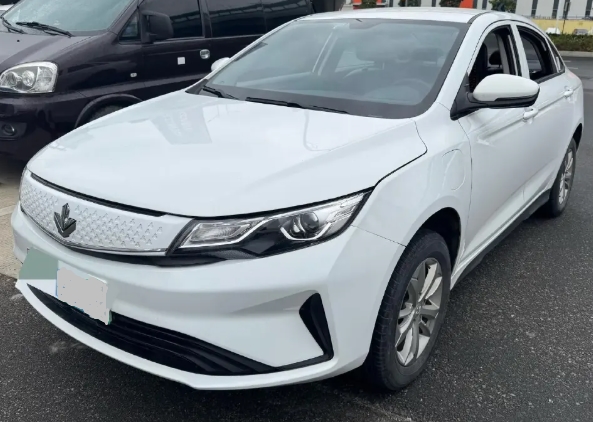
The Livan Maple 60S is a compact electric sedan that represents a significant shift in how modern vehicles are designed, powered, and utilized. Introduced in the early 2020s as part of a broader effort by Geely and Lifan to expand battery-swapping electric mobility, the Maple 60S has evolved into a practical, fleet-friendly EV with a clear focus on efficiency, affordability, and infrastructure innovation. Although still relatively new, its development reflects important trends shaping the global automotive industry.
Origins and Historical Background
The Maple 60S traces its roots to the revival of the Maple brand under Geely. Originally established in 2000 as Shanghai Maple, the brand produced budget-oriented vehicles before being phased out in 2010. It was revived in 2020 as an electric vehicle marque focused on affordable EVs.
In 2022, Geely merged Maple with Lifan Technology to form Livan Automotive, repositioning Maple as a model name rather than a standalone brand.
The Maple 60S itself was first introduced in 2021 as a compact electric sedan based on the Geely Emgrand platform. It became notable as Geely’s first battery-swapping vehicle under this new joint venture.
.
THIS is GOOD stuff if your car is in need:

.
Production Timeline and Generational Overview
The Maple 60S has had a straightforward production history so far, with only one generation produced since its launch.
Production Years:
- 2021 – Initial debut under the revived Maple brand
- 2022–present (2026) – Continued production under Livan branding
Unlike many traditional sedans, the Maple 60S has not yet undergone a full generational redesign. Instead, it has received incremental updates, particularly in software, battery systems, and trim offerings.
Platform and Design
The Maple 60S is built on a platform derived from the Geely Emgrand EV/Emgrand L sedan. Its design emphasizes practicality and familiarity rather than radical styling.
Key Specifications:
- Body style: 4-door compact sedan
- Seating capacity: 5 passengers
- Wheelbase: approximately 106.3 inches (2700 mm)
- Length: approximately 186.2 inches (4730 mm)
The exterior features a conventional sedan silhouette with modern EV styling cues such as a closed-off grille and streamlined lighting. Inside, the cabin is designed for functionality, with digital displays and simplified controls.
Powertrain and Battery Technology
From its inception, the Maple 60S has been offered exclusively as a battery-electric vehicle (BEV).
Motor and Performance:
- Electric motor output: approximately 134 horsepower (100 kW)
- Drivetrain: front-wheel drive
- Top speed: about 80 mph (130 km/h)
Performance is modest, reflecting the vehicle’s intended use as a commuter or fleet sedan rather than a performance-oriented car.
Battery and Range Evolution
A defining feature of the Maple 60S is its compatibility with battery-swapping systems.
Battery Specifications:
- Battery capacity: approximately 49.9 kWh
- Range: about 250 miles (402 km, CLTC standard)
Battery swapping allows drivers to replace a depleted battery with a fully charged one in minutes, reducing downtime compared to traditional charging.
Models and Trim Levels
Although the Maple 60S has remained within a single generation, it has been offered in multiple configurations and trims since its introduction.
2021–2022: Initial Maple 60S (Pre-Livan Integration)
At launch, the Maple 60S was offered primarily as a single model with limited differentiation.
Variants:
- Standard configuration (fleet-focused)
- Battery-swapping compatible base model
These early units were targeted primarily at taxi and ride-hailing operators.
2022–Present: Livan Maple 60S Lineup
Following the formation of Livan Automotive in 2022, the Maple 60S lineup expanded slightly.
1. Maple 60S (Base Model)
- Focused on affordability and fleet use
- Standard infotainment and safety features
- Battery-swapping capability
2. Maple 60S PRO
Introduced around 2022–2023, the PRO trim added more consumer-oriented features.
Key Features:
- Larger infotainment display
- Enhanced connectivity and OTA updates
- Improved interior materials
- Additional driver-assistance features
3. Regional Variants (2023–2026)
Depending on the market, minor variations have been offered, including:
- Different software packages
- Slightly adjusted battery configurations
- Market-specific equipment levels
While not always marketed as separate trims, these variations reflect ongoing refinement.
Technology and Features
Battery-Swapping Ecosystem
The Maple 60S is central to Livan’s battery-swapping strategy. This system allows:
- Battery replacement in approximately one minute
- Reduced need for long charging sessions
- Lower upfront vehicle cost (battery may be leased separately)
This technology is particularly beneficial for fleet operators, where minimizing downtime is critical.
Connectivity and Software
The Maple 60S incorporates modern digital features, especially in higher trims:
- Touchscreen infotainment systems
- Cloud connectivity
- Over-the-air (OTA) updates
- Voice control
These features allow continuous improvement of the vehicle without requiring physical upgrades.
Market Position and Use Cases
The Maple 60S occupies a niche within the EV market as a practical, cost-effective sedan.
Primary Use Cases:
- Taxi and ride-hailing services
- Corporate fleets
- Urban commuters
- Budget-conscious private buyers
Its emphasis on reliability and low operating costs makes it especially attractive in high-utilization environments.
Comparison Within the Livan Lineup
Within Livan’s portfolio, the Maple 60S serves as the sedan counterpart to models like the Maple 80V MPV.
- Maple 60S – Compact sedan, urban-focused
- Maple 80V – Multi-passenger MPV for larger groups
Both share battery-swapping capability, reinforcing Livan’s commitment to this infrastructure.
Challenges and Limitations
Despite its innovative approach, the Maple 60S faces several limitations:
1. Infrastructure Dependency
Battery swapping requires specialized stations, limiting usability outside supported regions.
2. Limited Global Presence
The vehicle is primarily sold in China and select export markets.
3. Modest Performance
Its performance figures are adequate but not competitive with higher-end EVs.
4. Brand Recognition
Livan remains a relatively new brand with limited global awareness.
Future Outlook
The future of the Maple 60S will likely depend on both technological advancements and infrastructure expansion.
Expected Developments:
1. Improved Battery Technology
Future versions may feature higher-capacity batteries and longer range.
2. Expanded Battery-Swapping Networks
Growth in swapping infrastructure could make the vehicle more viable globally.
3. Enhanced Autonomous Features
Driver-assistance systems are expected to improve with software updates and new hardware.
4. Potential Second Generation
A redesign could introduce:
- Updated styling
- Improved aerodynamics
- More powerful electric motors
- Enhanced interior quality
The Livan Maple 60S is a clear example of how modern electric vehicles are evolving beyond traditional ownership and fueling models. First introduced in 2021 and continuing in production through 2026, it has remained within a single generation while gradually expanding its trim lineup to include base and PRO variants.
Its defining feature—battery swapping—sets it apart from most EVs on the market and highlights a unique approach to solving one of the biggest challenges in electrification: charging time.
While still limited in global reach, the Maple 60S represents a forward-thinking solution tailored to urban mobility and fleet efficiency. As battery technology and infrastructure continue to evolve, vehicles like the Maple 60S may play a key role in shaping the next phase of electric transportation.