The Evolution of the Maxus MIFA 7: SAIC’s Global Electric MPV for the Mainstream
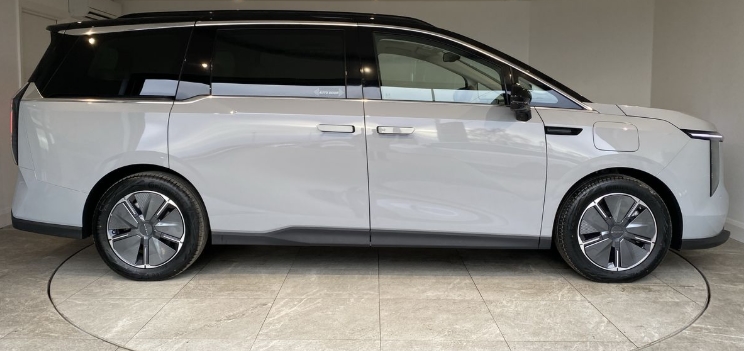
The Maxus MIFA 7 is a fully electric multi-purpose vehicle (MPV) developed by SAIC Motor under its Maxus brand. Positioned below the larger MIFA 9, the MIFA 7 represents a strategic effort to bring electric MPV technology to a broader audience, combining practicality, modern design, and competitive pricing.
Introduced in the early 2020s and still in production, the MIFA 7 has evolved rapidly through multiple configurations, trim levels, and even the addition of hybrid variants. This article explores its development from initial launch through its latest updates, including production years, trim structures, and future outlook.
Origins and Development
The MIFA 7 is part of the “MIFA” (Maxus Intelligent Flexible Architecture) lineup, which focuses on electrified MPVs. It was conceived as a smaller, more affordable alternative to the flagship MIFA 9, targeting families and fleet operators.
The model first appeared in early 2023 in China (as the “Everyone 7”), with international launches following in 2024 across markets such as Southeast Asia and Europe.
Production officially began in 2023, and the model continues in production as of 2026, making it a relatively new but rapidly evolving vehicle.
.

.
2023 Model Year: Initial Launch and Diverse Trim Strategy
Market Introduction
The MIFA 7 debuted in February 2023 in China, introducing a compact electric MPV with flexible seating and modern styling.
Unlike many EVs that launch with limited configurations, the MIFA 7 entered the market with a broad and complex trim structure, reflecting China’s competitive EV landscape.
Powertrain and Platform
At launch, the MIFA 7 featured:
- Single electric motor (front-mounted)
- Power output: 180 kW (≈241 hp)
- Torque: 350 Nm
- Battery options:
- 77 kWh (long range)
- 90 kWh (extended range)
- Range: up to ~605 km (CLTC)
This setup provided strong performance and competitive efficiency for its class.
2023 Trim Levels
The 2023 lineup was unusually extensive, including both battery ownership models and battery-swapping variants.
Standard EV Trims
- Prairie Long Range Edition
- Forest Long Range Edition
- Forest Extended Range Edition
- Alpine Extended Range Edition
Battery-Swap / Subscription Variants
- Prairie Swap (without battery)
- Forest Swap (without battery)
- Alpine Power Exchange Edition
These variants allowed buyers to choose between:
- Lower upfront cost (battery leasing)
- Full ownership (standard trims)
This flexible approach was a hallmark of early Chinese EV strategies.
2024 Model Year: Global Expansion and Simplification
International Launch
The MIFA 7 expanded globally in 2024, entering markets such as:
- France
- Malaysia
- Hong Kong
It was positioned as a family-oriented electric MPV, offering 5-, 6-, or 7-seat configurations.
Trim Levels (Global Markets)
Outside China, the trim structure was simplified significantly. For example, in Europe, the MIFA 7 was offered in:
- Premium
- Luxury
This simplification made the vehicle easier to market internationally, contrasting with the complex Chinese lineup.
Features and Equipment
Key features introduced or emphasized in global markets included:
- Dual 12.3-inch screens (instrument cluster + infotainment)
- Advanced driver assistance systems (ADAS)
- 360-degree camera system
- Premium interior materials
These features positioned the MIFA 7 as a practical yet modern family vehicle.
2025 Model Year: Expanded Lineup and Hybrid Introduction
The 2025 model year marked a major evolution for the MIFA 7, with both updated EV trims and the introduction of plug-in hybrid (PHEV) variants.
Updated EV Trim Structure (2025)
By 2025, the EV lineup was streamlined but still diverse:
- Prairie Long Range Edition
- Forest Long Range Edition
- Forest Extended Range Edition
- Alpine Extended Range Edition
Battery options remained:
- 77 kWh (≈527 km range)
- 90 kWh (≈605 km range)
All trims retained the same 180 kW motor and front-wheel-drive layout.
Introduction of MIFA 7 PHEV (Ultra Hybrid)
A major addition in 2025 was the plug-in hybrid version, significantly expanding the model’s appeal.
Powertrain
- 1.5L turbocharged gasoline engine
- Electric motor integration
- Battery capacity:
- 24.7 kWh
- 39.7 kWh
- Electric-only range: up to 180 km (CLTC)
Combined Range
The hybrid system enabled a total driving range exceeding 1,000 km, making it suitable for long-distance travel.
2025 PHEV Trim Levels
The hybrid lineup was extensive, reflecting a wide range of price points and equipment levels:
- Long Range Enjoyment Edition
- Ultra Long Range Enjoyment Edition
- Long Range Luxury Edition
- Ultra Long Range Luxury Edition
- Long Range Perfect Edition
- Ultra Long Range Perfect Edition
- Signature Edition variants
This marked the first time the MIFA 7 offered both fully electric and hybrid powertrains simultaneously.
Design and Engineering Characteristics
Dimensions and Platform
The MIFA 7 maintains consistent dimensions across all model years:
- Length: 4,907 mm
- Width: 1,885 mm
- Height: ~1,756–1,768 mm
- Wheelbase: 2,975 mm
These dimensions place it in the mid-size MPV segment, between compact MPVs and larger executive vans.
Interior and Technology
The interior emphasizes comfort and usability:
- Flexible seating (5, 6, or 7 seats)
- Sliding rear doors
- Premium upholstery options
- Advanced infotainment system
Safety and technology features include:
- Adaptive cruise control
- Lane-keeping assist
- Autonomous emergency braking
- Blind-spot monitoring
Driving Characteristics
The MIFA 7 is designed primarily for:
- Family transportation
- Urban commuting
- Ride-hailing or fleet use
Its front-wheel-drive layout and single motor prioritize efficiency and cost over performance complexity.
Trim Evolution Summary
2023 (Launch Year)
- Prairie, Forest, Alpine trims
- Long range and extended range variants
- Battery-swap and ownership models
2024 (Global Expansion)
- Simplified trims: Premium, Luxury
- Focus on export markets
2025 (Major Expansion)
- Refined EV trims (Prairie, Forest, Alpine)
- Introduction of PHEV lineup:
- Enjoyment, Luxury, Perfect, Signature editions
Market Position and Competitors
The MIFA 7 competes in the growing electric MPV segment against models such as:
- Toyota Noah/Voxy (hybrid MPVs)
- BYD Denza D9
- Volkswagen ID. Buzz
Strengths
- Competitive pricing
- Long electric range
- Flexible seating configurations
- Availability of both EV and PHEV options
Weaknesses
- Front-wheel drive only
- Limited brand recognition in some markets
- Less premium positioning compared to higher-end rivals
Production Timeline
- 2023: Initial launch in China
- 2024: Global expansion (Europe, Asia)
- 2025: Introduction of PHEV and updated trims
- 2026–present: Continued production and refinement
Future Outlook
Continued Electrification
The MIFA 7 is expected to remain a key part of Maxus’s electrification strategy, with future updates likely to include:
- Improved battery efficiency
- Longer driving ranges
- Enhanced autonomous driving features
Global Growth
The model is well-positioned for expansion in:
- Europe
- Southeast Asia
- Emerging EV markets
Its relatively affordable pricing and practical design make it attractive for both private and commercial buyers.
Platform Evolution
Future iterations may introduce:
- Dual-motor AWD configurations
- Next-generation infotainment systems
- Enhanced battery technologies
The Maxus MIFA 7 represents a significant step forward in the evolution of electric MPVs. Introduced in 2023, it quickly expanded into global markets and diversified into both electric and hybrid variants.
Across its lifecycle, the MIFA 7 has offered a wide range of trims:
- 2023: Prairie, Forest, Alpine (plus battery-swap variants)
- 2024: Simplified Premium and Luxury trims for export
- 2025: Expanded EV lineup and new PHEV trims (Enjoyment, Luxury, Perfect, Signature)
Its evolution reflects broader trends in the automotive industry—rapid electrification, flexible ownership models, and increasing focus on global markets.
As it continues to develop, the MIFA 7 stands as a practical, accessible, and forward-looking MPV, bridging the gap between traditional family vehicles and the next generation of electric mobility.