The History of Neta Auto
The Rise, Expansion, and Financial Collapse of China’s Electric Vehicle Challenger
Neta Auto is a Chinese battery-electric vehicle (EV) brand that emerged during one of the fastest periods of growth in the global automotive industry. Created as the consumer brand of Hozon Auto, the company sought to make affordable electric vehicles available to mainstream buyers rather than focusing on premium luxury models. For several years, that strategy appeared successful. Neta rapidly increased production, expanded into numerous overseas markets, and briefly ranked among China’s top-selling EV startups.
However, the company also became an example of the difficulties facing many modern EV manufacturers. Heavy competition, shrinking profits, financing challenges, slowing domestic demand, and mounting debt ultimately overwhelmed the business. By 2025, Hozon Auto—the parent company behind the Neta brand—had entered bankruptcy proceedings in China after a dramatic collapse in sales.
Although Neta’s lifespan as a major automotive manufacturer was relatively short, its story illustrates both the opportunities and risks associated with China’s rapidly expanding electric vehicle industry.
Company Background
Neta Auto is not a standalone corporation but rather the automotive brand of Hozon Auto New Energy Automobile Co., Ltd. Hozon Auto was founded in October 2014 and launched the Neta brand in June 2018. The company operated from 2014 through 2025, when its parent company entered bankruptcy proceedings. The Neta name comes from Nezha (Neta), a famous heroic figure in Chinese mythology, chosen to symbolize youthful innovation and determination.
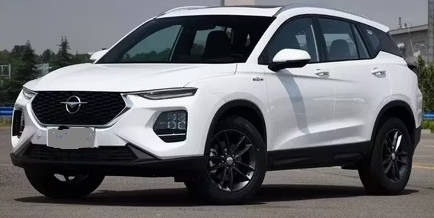
Unlike many Chinese startups that concentrated on luxury electric sedans, Neta focused primarily on affordable crossovers and compact SUVs intended for first-time EV buyers.
Founder and Leadership
The principal founder of Hozon Auto was Fang Yunzhou, an engineer and entrepreneur with a background in automotive engineering and new-energy vehicle technology. Before establishing Hozon Auto, Fang worked extensively in China’s automotive industry and became involved with electric vehicle research and development during the country’s early push toward electrification.
Rather than relying solely on private investors, Hozon Auto benefited from cooperation with organizations including Beijing SinoHytec and the Yangtze Delta Region Institute of Tsinghua University during its early development. This relationship helped the startup establish engineering capabilities before beginning mass production.
For much of the company’s growth period, executive Zhang Yong served as Chief Executive Officer while Fang remained chairman. In late 2024, as the company entered financial distress, Fang resumed the CEO position, publicly accepting responsibility for the company’s difficulties and apologizing to employees.
Building an Electric Vehicle Company (2014–2018)
The company’s first several years were devoted almost entirely to research and development.
Major milestones included:
- 2014: Hozon Auto established.
- 2015: Research and development center opened in China’s Yangtze River Delta.
- 2017: Received China’s National Development and Reform Commission production approval.
- 2018: Received manufacturing license from the Ministry of Industry and Information Technology.
- June 2018: Official launch of the Neta automobile brand.
- November 2018: Release of the company’s first production vehicle, the Neta N01.
Unlike many startups that outsourced engineering, Hozon invested heavily in developing its own electric vehicle platforms and battery technologies before expanding its model lineup.
Early Vehicle Development
The company’s first production vehicle was the Neta N01, a compact electric SUV designed primarily for urban transportation.
Although modest in appearance, the N01 established the company’s philosophy:
- affordable pricing
- practical driving range
- simple design
- family-oriented transportation
Rather than competing directly with premium EV manufacturers, Neta sought customers who otherwise might purchase inexpensive gasoline-powered compact cars.
This positioning helped differentiate the brand within China’s increasingly crowded EV market.
Rapid Growth (2019–2022)
The years between 2019 and 2022 represented Neta’s most successful period.
New products included:
The company also opened:
- a Beijing Design Center
- autonomous driving research operations in Silicon Valley
- expanded engineering facilities throughout China.
Sales increased dramatically:
The 2022 result represented the company’s highest annual sales volume and briefly placed Neta among China’s leading EV startups.
Manufacturing Operations
Hozon Auto developed several manufacturing facilities in China while also expanding internationally.
The factories relied heavily on modern automotive production methods, including:
- robotic body assembly
- automated paint systems
- battery pack installation
- final vehicle assembly
- quality inspection
- software calibration
As overseas demand increased, the company also established local assembly operations in Thailand, allowing right-hand-drive vehicles to be produced closer to Southeast Asian markets. Additional assembly operations later began in Indonesia, and the company announced plans for manufacturing in Brazil.
Overseas Expansion
Unlike some Chinese startups that concentrated almost exclusively on domestic sales, Neta aggressively pursued international markets.
Countries included:
Thailand became one of the company’s strongest export markets, where locally assembled vehicles reduced import costs and qualified for government incentives.
Marketing Strategy
Neta distinguished itself by emphasizing affordability rather than luxury.
Marketing campaigns frequently promoted themes such as:
- electric transportation for ordinary families
- value for money
- practical technology
- youthful styling
- intelligent mobility
Rather than emphasizing high-performance acceleration, advertisements highlighted low ownership costs and modern technology.
The company also invested heavily in digital marketing, livestream product launches, social media campaigns, and online ordering systems that appealed to younger buyers.
What Made Neta Different?
Several characteristics distinguished Neta from other manufacturers.
First, the company intentionally targeted lower price segments instead of premium buyers.
Second, it attempted to include advanced technology—such as large touchscreens, connected services, and driver-assistance systems—in relatively inexpensive vehicles.
Third, Neta expanded internationally much earlier than many Chinese EV startups of similar size.
Finally, management emphasized practical transportation over luxury branding.
Major Milestones
Significant accomplishments included:
- Launch of the Neta brand (2018)
- First production vehicle (2018)
- Overseas expansion beginning in Southeast Asia
- Production of the company’s 60,000th vehicle in 2021
- Production of the 100,000th vehicle in early 2022
- Record annual sales of 152,073 vehicles in 2022
- Construction of overseas production facilities in Thailand
These achievements demonstrated unusually rapid growth for a company only a few years old.
Financial Problems Begin
Despite impressive sales growth, profitability proved elusive.
Like many EV startups, Neta invested enormous amounts in:
- research
- manufacturing
- battery technology
- overseas expansion
- dealer networks
These investments required continuous outside financing.
Beginning in 2024, the company encountered severe financial pressure after banks reportedly withdrew lending support for consecutive quarters. Management later acknowledged that this disrupted plans for a public stock offering and caused a break in the company’s capital chain.
Sales Decline
The deterioration was dramatic.
Global sales fell from:
- 152,073 in 2022
- 127,496 in 2023
- 87,684 in 2024
By early 2025, deliveries had nearly collapsed.
The broader Chinese EV market had become extremely competitive, with price wars reducing profit margins across the industry.
Debt Crisis
During 2025, management attempted to restructure company finances.
One proposal would have converted approximately 70% of supplier debt into equity in Hozon Auto while repaying the remaining 30% over time without interest.
Not all suppliers accepted the proposal.
The company also faced dealership complaints, unpaid obligations, and growing legal actions from creditors.
Bankruptcy Proceedings
In June 2025, Zhejiang Hozon New Energy Automobile officially entered bankruptcy proceedings in China following a creditor’s petition. Retail locations closed, and the company faced mounting financial obligations.
As of the bankruptcy filing, Neta had not merged with another automaker, nor had it been acquired by another automotive company. Instead, it entered court-supervised bankruptcy proceedings under Chinese law.
Sales Reporting Controversy
Another challenge emerged in 2025, when Reuters reported allegations that Neta had counted tens of thousands of vehicles as sold after they were insured and delivered to dealers before reaching retail customers. The reported practice, intended in part to qualify for expiring subsidies and meet sales targets, became part of broader scrutiny of “zero-mileage used cars” in China’s EV market. Chinese regulators announced plans for tighter oversight, and the allegations added to the company’s reputational and financial problems.
Racing Programs
Unlike manufacturers such as Tesla, Porsche, Hyundai, or Nissan, Neta did not establish a significant factory-backed motorsports program.
The company concentrated almost entirely on consumer electric vehicles rather than racing activities.
Popular Vehicle Models
Some of Neta’s best-known models included:
Most Successful Model
The Neta V is generally regarded as the company’s most successful vehicle.
Reasons included:
- affordable purchase price
- compact dimensions
- practical range
- popularity among urban drivers
- strong export demand, particularly in Southeast Asia
The model became a cornerstone of Neta’s international expansion and was assembled in Thailand and Indonesia for regional markets.
U.S. Consumer Reception
Neta vehicles were not officially sold in the United States, so there are no official U.S. sales figures.
Because the brand never established an authorized U.S. dealer network, American consumer awareness remained limited. Automotive enthusiasts generally recognized Neta as one of several emerging Chinese EV manufacturers, but the typical U.S. consumer had little direct experience with its products.
Consequently, official U.S. sales totaled zero.
Global Sales
Available global annual sales were approximately:
- 2018: 1,206
- 2019: 11,212
- 2020: 15,509
- 2021: 69,674
- 2022: 152,073 (record)
- 2023: 127,496
- 2024: 87,684
Current Status and Outlook
As of 2026, the outlook for Neta is highly uncertain. Its parent company, Hozon Auto, entered bankruptcy proceedings in 2025 after a sharp decline in sales, liquidity problems, and mounting creditor claims. The brand has not been acquired by another automaker, and its future depends on the outcome of the restructuring process or any potential investor that may emerge.
Although Neta demonstrated that affordable EVs could gain rapid acceptance in China and parts of Southeast Asia, its experience also underscored the financial risks of competing in an intensely crowded electric vehicle market. Rapid expansion, heavy capital requirements, and sustained price competition ultimately proved difficult to overcome. Even so, Neta remains a notable chapter in the evolution of China’s modern EV industry, having achieved remarkable growth in less than a decade before its equally swift decline.